
When setting up temporary fencing for outdoor classrooms or garden projects, choose materials like durable galvanized steel or lightweight aluminum for easy relocation. Quick installation ensures stability, and safety features help define clear boundaries for students. Customization, such as school branding or vibrant colors, improves visibility and aesthetics. Regular maintenance is key to prolonging the lifespan of the fencing. These solutions can significantly enhance your learning and garden spaces.
Key Takeaways
- Temporary fencing clearly defines boundaries, keeping students safe in outdoor classrooms and garden projects.
- Lightweight panels are easy to set up and move, allowing for quick adjustments as needs change.
- Made from weather-resistant materials like galvanized steel or aluminum, these fences are durable and can handle the elements without losing strength.
- Custom options, such as color matching and graphics, can improve the look and promote school branding.
- Regular maintenance and inspections help meet safety regulations, prevent unauthorized access, and enhance supervision.
Types of Temporary Fencing Materials
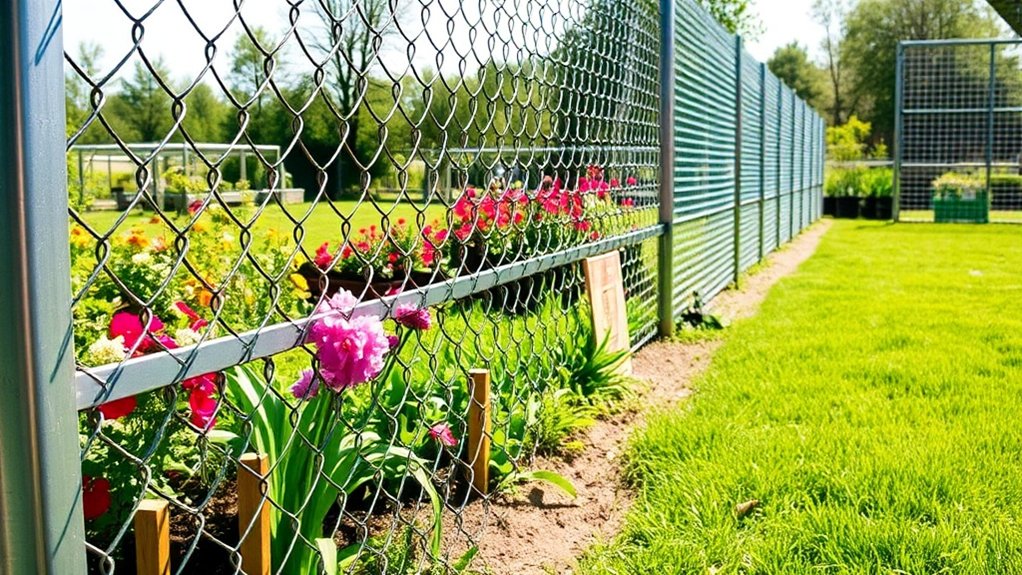
When choosing temporary fencing materials, you have several options, each with its advantages. Galvanized steel fencing is strong and durable, making it perfect for high-security situations. If you need something lightweight and easy to move, aluminum fencing is a solid choice, although it’s generally more expensive. For short-term projects, plastic options like polyethylene and PVC are budget-friendly and resistant to rust. Mesh fencing, whether made of wire or plastic, offers visibility while acting as a barrier, ideal for crowd control. Steel and aluminum are commonly selected based on budget, lifespan, and environmental factors, so be sure to compare costs to find the fencing material that best fits your project’s needs. Additionally, consider temporary fencing options designed for uneven ground to enhance stability and security in diverse environments.
Installation and Portability Features
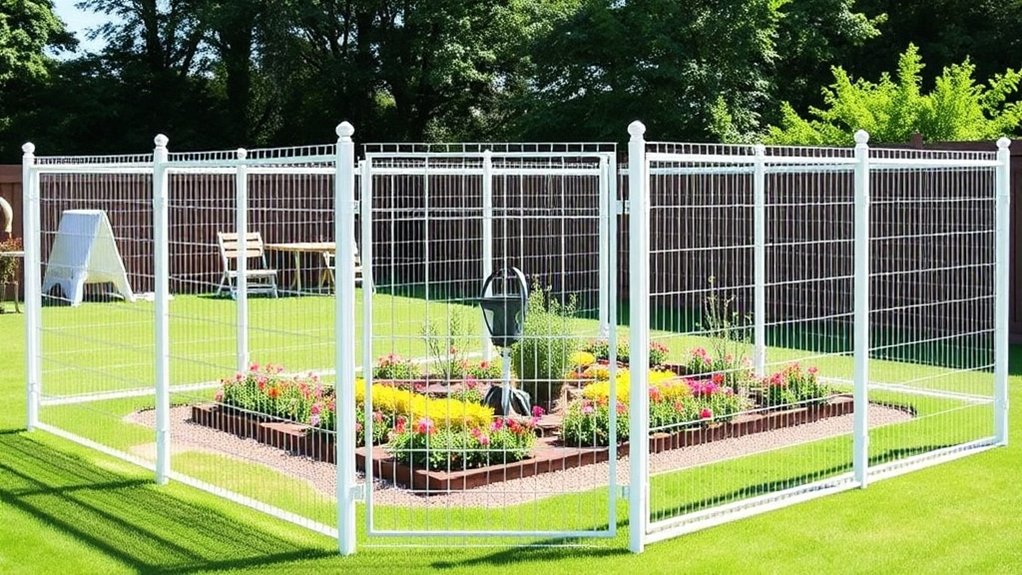
Setting up temporary fencing is quick and easy, allowing you to create an outdoor classroom without hassle. The panels work well on different ground types, ensuring stability on soft soil or hard surfaces. This adaptability saves you time and makes it simple to relocate the fencing whenever necessary. Additionally, proper site assessment before installation helps in identifying obstacles and hazards, ensuring a secure and compliant setup for your project. Utilizing lightweight panels can further enhance the ease of installation and repositioning, making your setup more efficient.
Easy Setup Process
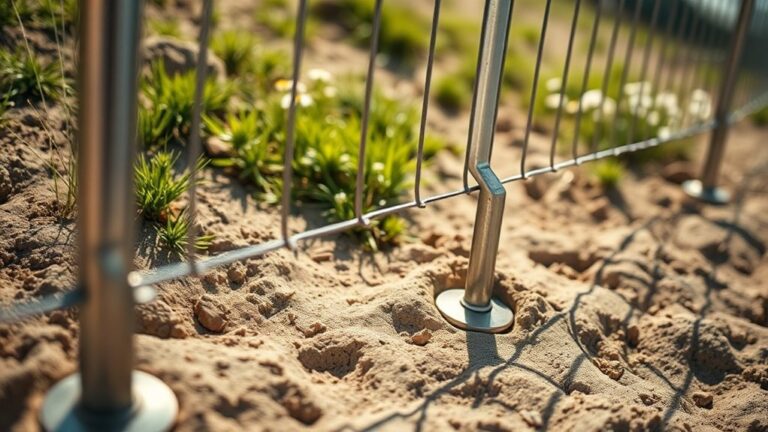
Setting up temporary fencing for outdoor classrooms is simple and quick. With lightweight panels weighing about 30 lbs, you can easily assemble the fence by yourself. The weighted plastic feet allow for fast installation on any surface without needing to dig into the ground. Additionally, temporary fencing acts as a barrier for safety, ensuring that the designated area remains secure for educational activities.
Here’s a quick overview of the setup process:
| Feature | Benefit |
|---|---|
| Lightweight Panels | Easy for one person to handle |
| Quick-fit Bases | Fast and stable setup |
| Minimal Tools Required | Efficient and hassle-free |
| Modular Design | Flexible layout possibilities |
| Quick-release Connectors | Easy disassembly for transport |
Setting up is straightforward, making it perfect for anyone looking to create an outdoor classroom quickly.
Flexible Ground Adaptability
Temporary fencing is designed to adapt to various ground conditions, making it ideal for outdoor classrooms. Here’s how it works:
- Easily set up on grass, pavement, or uneven surfaces without extra preparation.
- Self-standing designs mean you won’t need ground anchors on solid surfaces.
- Adjustable systems provide stability on sloped areas, ensuring your perimeter is secure.
With modular heights and self-supporting bases, you can find the right solution for your project.
This flexibility enhances functionality and keeps your learning space safe and welcoming, regardless of the environment.
Security and Safety Considerations
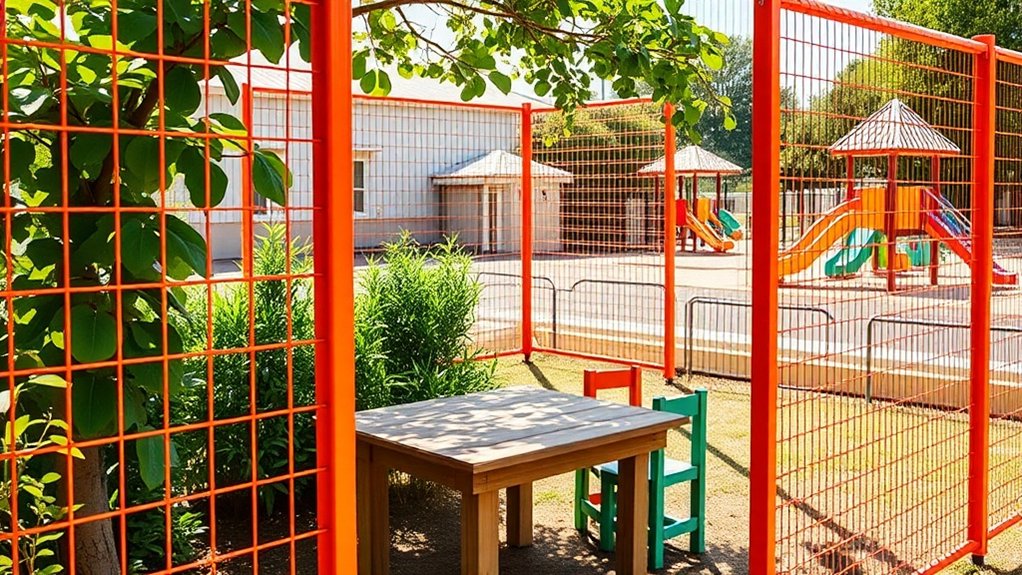
When setting up temporary fencing for outdoor classrooms, it’s crucial to create clear boundaries for student safety. Follow regulations regarding height, material, and maintenance to prevent unauthorized access. Consider adding features like access control and emergency exits to enhance security, which helps reassure both educators and parents. Additionally, maintaining regular inspections of the fencing ensures ongoing safety and compliance with regulations.
Defining Safe Boundaries
Defining safe boundaries for outdoor classrooms goes beyond just putting up a fence; it’s about ensuring security and safety for everyone involved.
Here are some essential points to consider:
- Height and visibility: Fences should be between 1.8 to 2.4 meters tall. This height helps prevent climbing while allowing staff to see what’s happening inside and outside.
- Material durability: Opt for steel mesh or welded wire to ensure the fence withstands wear and tear over time.
- Secure access points: Install gates with tamper-proof features to keep unauthorized individuals out.
Compliance With Regulations
Ensuring compliance with regulations for temporary fencing in outdoor classrooms is crucial for protecting the environment and following local guidelines. Start by obtaining the necessary permits, as many areas require this for longer projects.
Include detailed site plans that specify the type, height, and placement of the fence. Be mindful of zoning rules that dictate what materials and designs are acceptable. The fencing must be strong and durable, with proper anchoring to withstand weather conditions.
Typically, the minimum height is six feet, and emergency exits need to be clearly marked. Regular inspections help maintain safety and compliance, reducing the risk of hazards and fines. Consulting local authorities before installation can also help avoid delays.
Enhanced Security Features
To enhance security in temporary fencing for outdoor classrooms, it’s essential to prioritize safety. Here are some key features to consider:
- Anti-Climb Design: Use fencing with small openings to prevent unauthorized access.
- Tamper Resistance: Implement security bolts and sturdy posts to deter tampering.
- Visibility and Surveillance: Choose open-style fencing with good lighting for better threat detection.
Adding access control systems with lockable gates ensures that entry is regulated, maintaining safety during school hours and emergencies.
Customization Options for Fencing
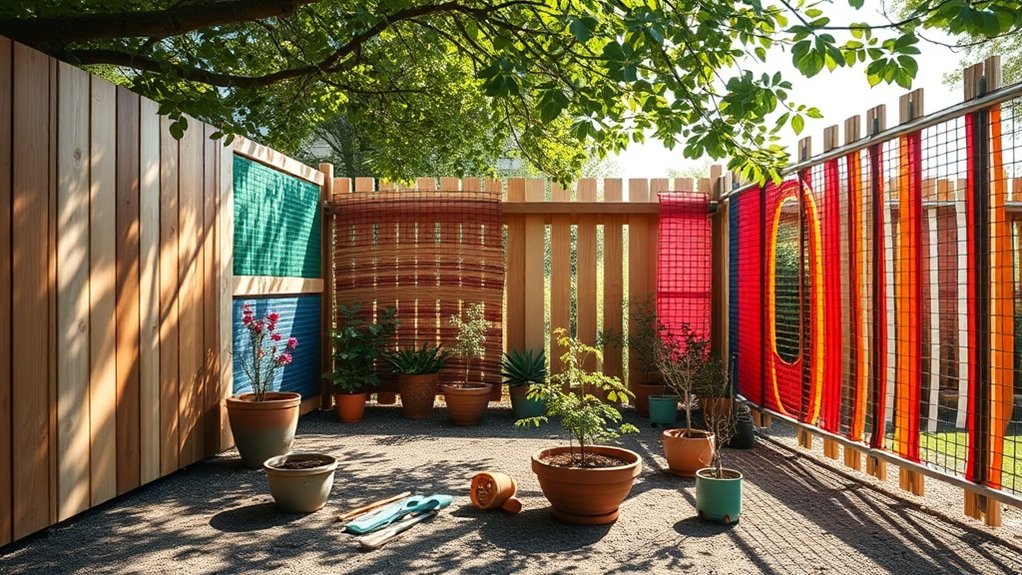
When designing temporary fencing for outdoor classrooms, you have several customization options to enhance functionality and look.
For example, you can color match the fencing to your school’s branding, helping it blend into the environment. Durable finishes like powder coating or weather-resistant paint improve longevity and visual appeal.
You can also add graphic panels with school logos or event messages for vibrant, weatherproof designs. Unique touches like patterned or laser-cut elements can further enhance branding.
These options create an inviting, functional space for outdoor learning and garden projects.
Functional Features of Temporary Fencing
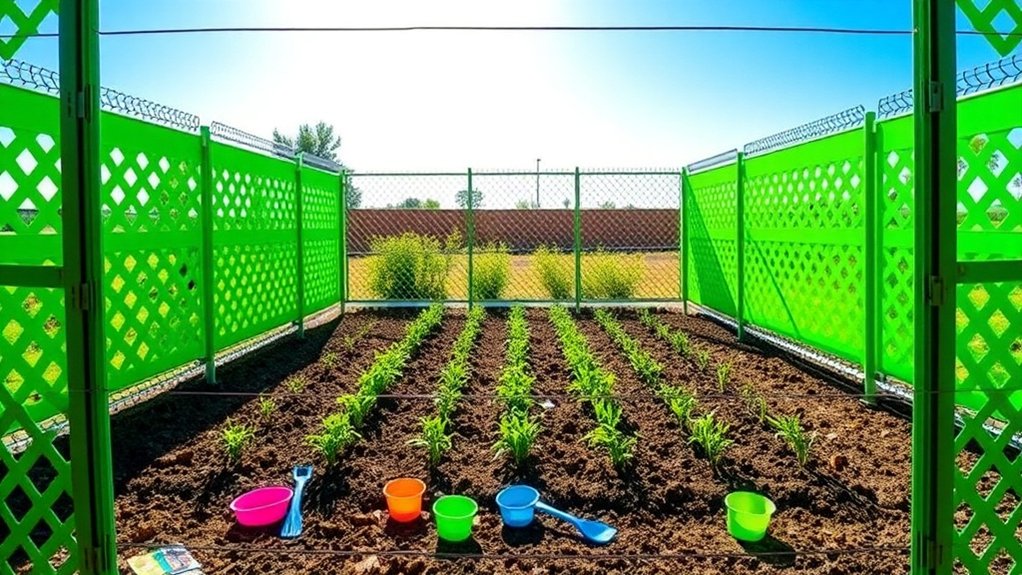
When designing temporary fencing for outdoor classrooms, focus on three key functional features to ensure stability and safety:
- Structural Integrity: Using concrete blocks to weigh down panels can boost stability by up to 45%, which is crucial for outdoor settings.
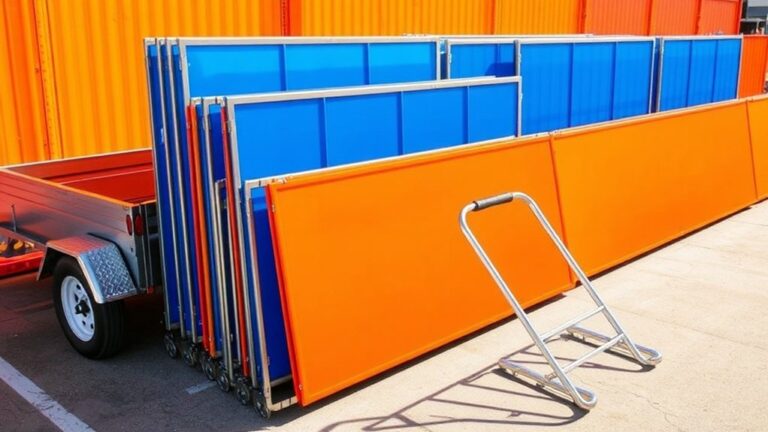
- Quick Setup: Modular designs allow for fast assembly—each panel can be set up in just 5–10 minutes, making it easy to adjust as needs change.
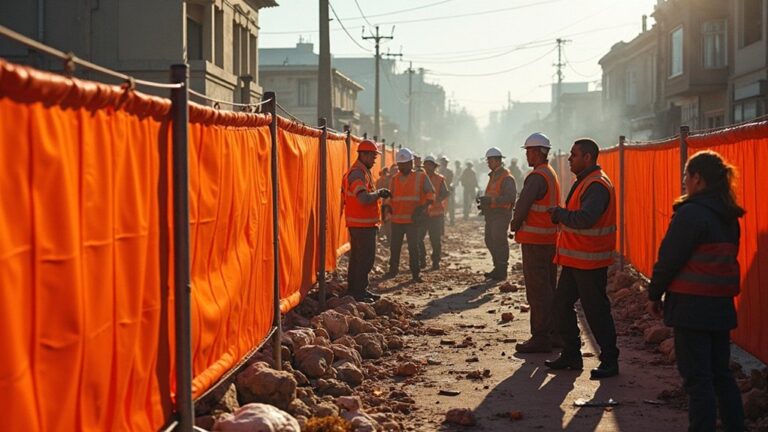
- Visibility and Safety: Opt for brightly colored or reflective fencing to enhance visibility, which helps prevent accidents and keeps the area secure.
These features make temporary fencing a valuable addition, providing a safe and engaging environment for students to learn outdoors.
Benefits for Educational Settings
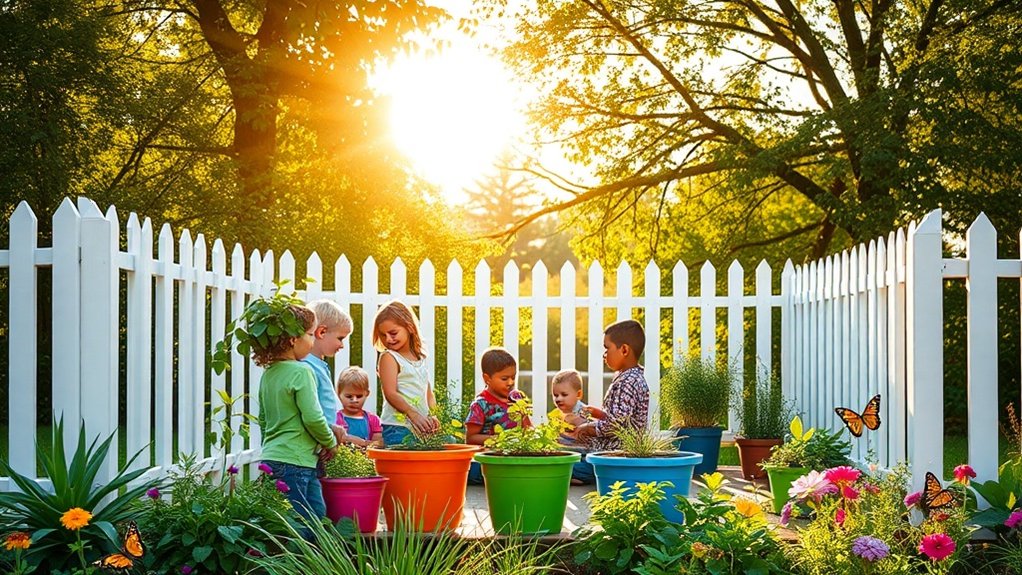
Temporary fencing provides key benefits for schools by improving safety and offering flexible learning spaces.
It helps control access to outdoor classrooms, keeping students safe and focused.
This flexibility allows schools to use outdoor areas for different activities without needing permanent structures, making the most of available space.
Enhanced Safety Measures
Implementing temporary fencing around outdoor classrooms enhances safety and creates a focused learning environment.
Regular inspections and adherence to safety protocols ensure a secure space for students.
Here are three key benefits:
- Controlled Access: Fencing keeps unauthorized individuals out, protecting students from potential dangers.
- Injury Prevention: Using child-friendly materials and solid designs reduces risks, allowing students to learn without worry.
- Improved Supervision: Defined areas help staff easily monitor student activities and maintain order.
These measures create a safe and enriching environment for outdoor learning.
Flexible Learning Environments
Flexible learning environments offer numerous benefits that meet the varied needs of students. They allow learners to work at their own pace and focus on areas where they need help. This independence boosts engagement and can lead to better academic results.
With dynamic layouts and interactive tools, students stay motivated, while group work encourages critical thinking and problem-solving. These adaptable spaces also promote inclusivity, ensuring all students can access learning.
Advantages for Garden Projects
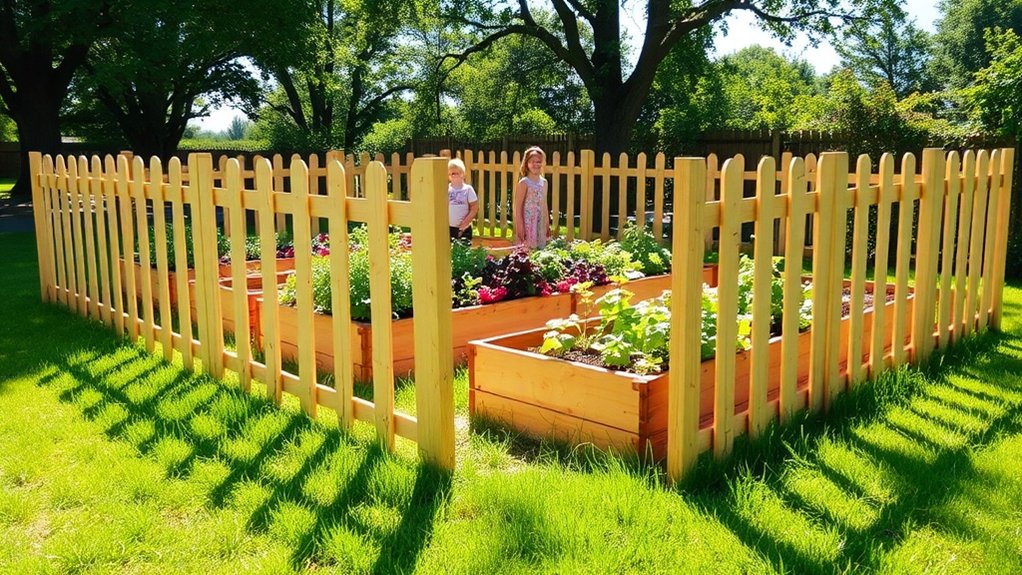
To create a successful garden project, using temporary fencing can be very beneficial. Here are three main advantages:
- Protection from Pests and Animals: Fencing keeps out critters like rabbits and deer, which helps your plants thrive and supports local wildlife.
- Preventing Accidental Damage: Setting clear boundaries helps everyone know where to tread, keeping delicate plants safe during community workdays.
- Versatility and Ease of Installation: With a variety of materials available, you can quickly customize the fencing to fit your garden’s style and requirements.
Maintenance and Durability of Fencing
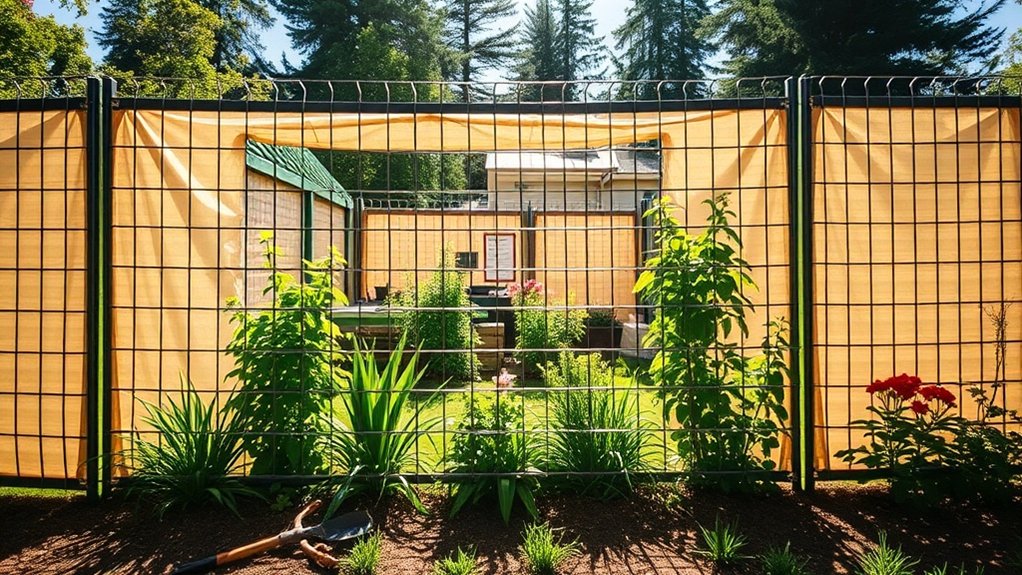
When choosing temporary fencing for outdoor classrooms, it’s crucial to consider maintenance and durability for long-lasting use.
Opt for sturdy materials like steel or aluminum, which withstand wear and weather better than lightweight plastic that can crack in the sun.
Environmental factors like wind and moisture also affect durability, so ensure proper anchoring and conduct regular inspections.
Routine maintenance, such as securing bases and cleaning to prevent corrosion, is key.
Features like reinforced frames can enhance stability.
Compliance With Local Regulations
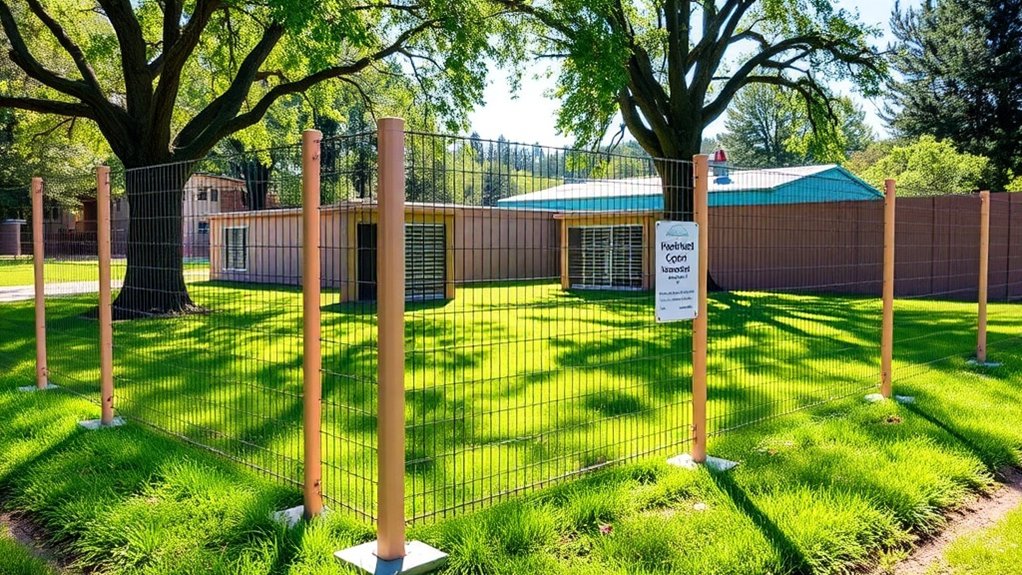
When selecting temporary fencing for outdoor classrooms, it’s crucial to comply with local regulations for safety and functionality.
Here are three essential areas to consider:
- Height Regulations: Ensure your fence is between 4 to 6 feet tall to keep children safe and contained.
- Permits: Check with local authorities to obtain any necessary permits and submit your fencing plans.
- Material Safety: Choose weather-resistant materials and avoid options with sharp edges to prevent accidents.
Following these guidelines will help create a secure and inviting learning environment.
Integration With Outdoor Learning Environments
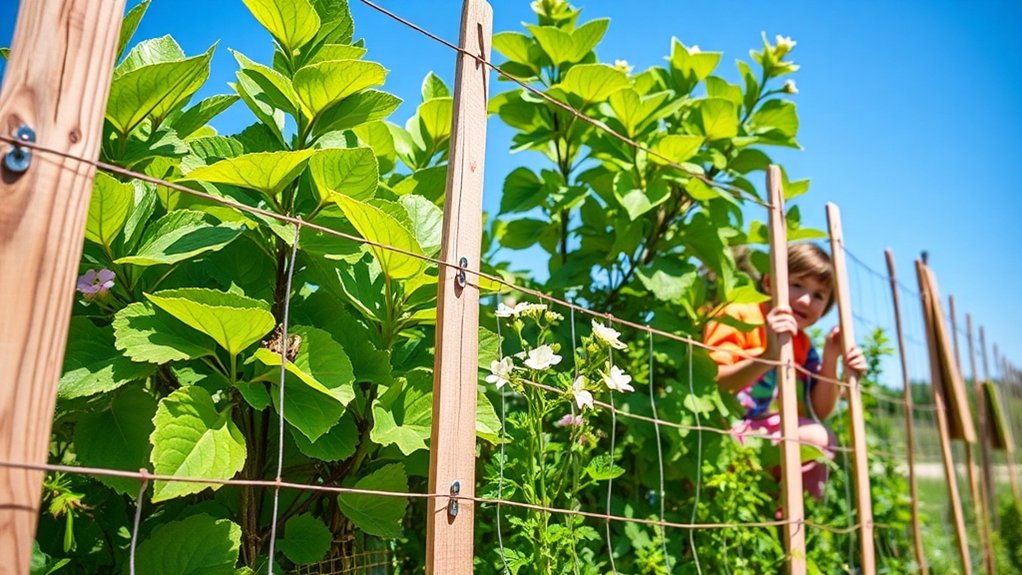
Integrating temporary fencing into outdoor classrooms improves safety and enhances the learning experience by clearly marking boundaries. This setup prevents unauthorized access, keeps activities contained, and minimizes injury risks.
The mesh design ensures visibility for staff supervision while maintaining security. You can easily adjust these flexible layouts to meet different curriculum needs, encouraging outdoor engagement and community involvement.
Spectator rails support parent participation during events, creating a friendly atmosphere. Plus, the portability and reusability of the fencing keep costs down, making it a smart choice for schools.
Well-designed spaces like these promote collaboration and creativity, which are vital for effective outdoor learning.
Seasonal and Event-based Applications
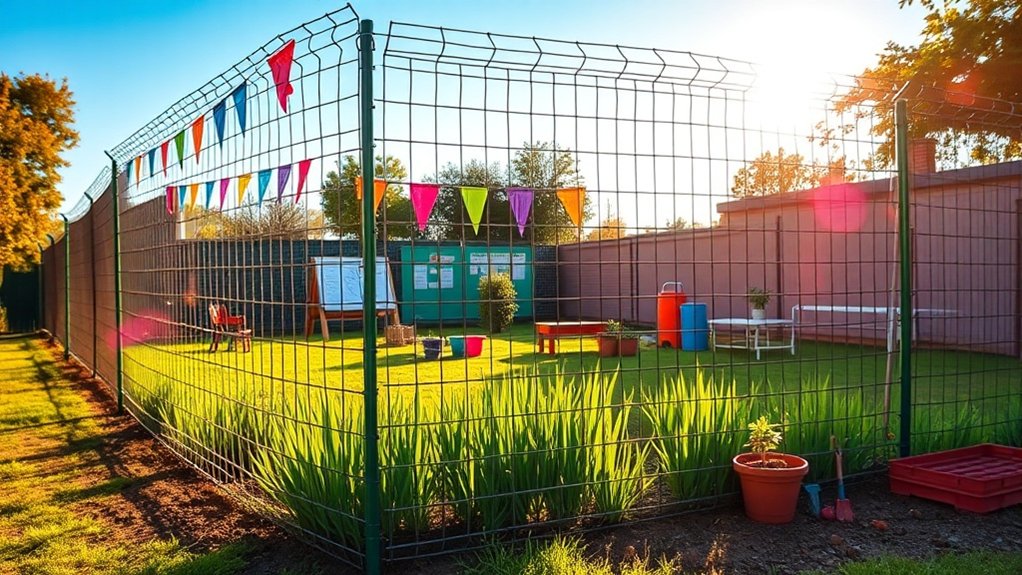
When organizing seasonal outdoor classrooms or school events, temporary fencing can significantly improve safety and organization.
Here are three key benefits:
- Safety: Fencing creates clear boundaries, helping students stay in safe areas and reducing accidents.
- Crowd Control: At events like science fairs or carnivals, fencing helps manage foot traffic and keeps everyone secure.
- Customizable: Fencing panels can be tailored with signs, making them perfect for unique events or seasonal projects.
Frequently Asked Questions
Can Temporary Fencing Be Reused for Multiple Projects?
Yes, temporary fencing can be reused for multiple projects. It’s cost-effective and versatile, making it suitable for different job sites, whether it’s a construction project, an outdoor event, or a renovation. For example, you can use the same fencing for a music festival one weekend and a building site the next. This adaptability helps save money while still providing the necessary security and boundary.
How Do I Choose the Right Height for My Fencing Needs?
To choose the right height for your fence, consider your security needs, visibility, and the environment. For instance, if you want privacy, a taller fence is ideal. If you’re in a neighborhood and prefer an open feel, a shorter picket fence might work better. Find a height that balances these factors effectively.
What Is the Typical Lifespan of Temporary Fencing Materials?
Temporary fencing materials have different lifespans: galvanized steel lasts about 5–10 years, HDPE (high-density polyethylene) can last 10–15 years, while wood typically lasts 3–7 years. Proper installation and maintenance can significantly extend their durability and effectiveness.
Are There Any Environmental Considerations for Using Temporary Fencing?
Temporary fencing can affect the environment, much like a turtle navigating a plastic maze. To minimize this impact, opt for sustainable materials. This choice helps protect wildlife, reduces waste, and lessens your ecological footprint. By doing so, you ensure your project is in harmony with nature and promotes responsible stewardship.
How Do I Ensure My Fencing Meets Local Building Codes?
To ensure your fencing meets local building codes, start by checking your area’s fencing regulations and obtaining any required permits. Pay attention to specific rules regarding height, materials, and visibility. For example, some neighborhoods may limit fence heights to 6 feet or require a certain type of material. Also, make sure your fence complies with safety standards to prevent fines or installation delays.
Conclusion
Using temporary fencing for your outdoor classroom or garden project is a smart choice that prioritizes safety and creativity. With various materials and customizable options, you can create a secure area that enhances learning. Picture students exploring nature without distractions or risks. By choosing the right fencing, you’re not just enclosing a space; you’re creating an environment that encourages curiosity and growth. Start transforming your outdoor learning area today!