

If your installation runs into trouble, start by checking for common issues like misalignment or incorrect wiring. Ensure all hardware components are compatible and securely connected. Run the installation as an administrator to prevent permission issues. If you encounter software conflicts, try disabling or uninstalling any overlapping programs. For network problems, inspect cables and settings for errors. Take note of any error messages and seek professional help if the issues continue. Remember, troubleshooting can be straightforward with the right approach.
Key Takeaways
- Double-check installation guidelines to make sure you didn’t miss any steps.
- Verify that all hardware components are compatible and securely connected.
- Use diagnostic tools to find errors and check system/driver compatibility before reinstalling.
- Take note of any error messages or issues you encounter for better troubleshooting or when asking for help.
- Temporarily turn off antivirus software and adjust security settings to avoid installation interference.
Understanding Installation Failures
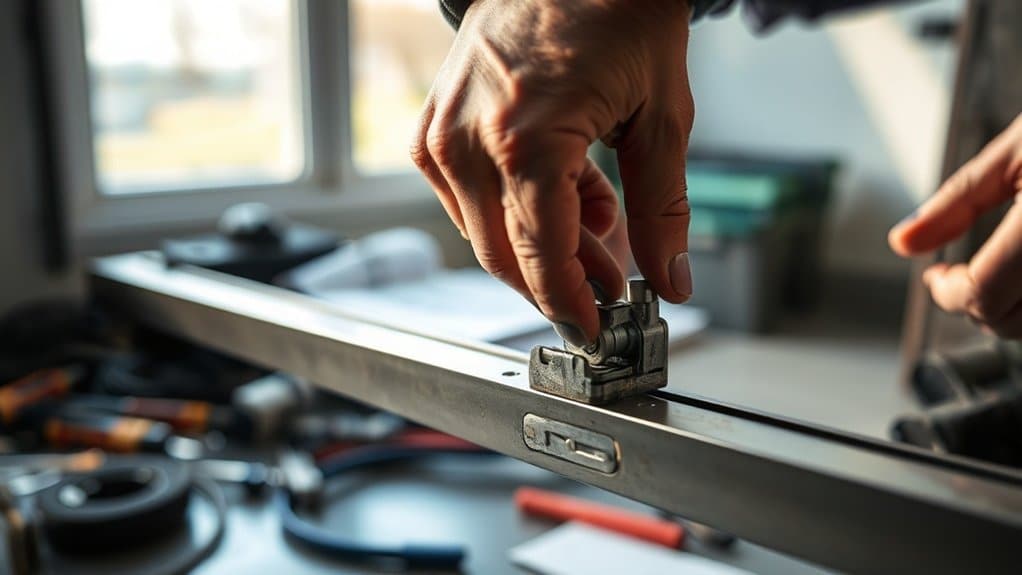
Installation failures can disrupt your project and lead to unnecessary costs. Common issues include misalignment, incorrect wiring, and improper assembly, all of which can hurt system performance. To avoid these pitfalls, follow installation guidelines closely and perform thorough audits. Regular inspections and testing can help catch problems like communication errors or incorrect settings early on. Additionally, keeping detailed records of your installation process and training staff can minimize mistakes. Consider using automated monitoring tools to keep an eye on system integrity, allowing you to detect potential failures before they become major issues. Understanding that age-related failures can correlate with asset age is crucial in developing an effective installation and maintenance strategy.
Common Causes of Installation Issues

Installation failures often stem from a few common issues that can be easily addressed.
First, corrupted or incomplete installation files can result from network interruptions, so always download software from trusted sources and check file integrity with checksums. Corrupted installation files can hinder proper installation and should be redownloaded if issues arise.
Software conflicts or compatibility problems may occur due to competing programs or mismatched dependencies; temporarily disabling your antivirus can help resolve this.
Insufficient user permissions can also block installations, so remember to run installers as an administrator.
Lastly, network problems, like outages or firewall settings, can disrupt installations.
To enhance your chances of success, ensure a stable and secure installation environment.
Hardware and Integration Problems

When facing hardware and integration problems during installation, it’s crucial to act quickly to prevent further issues.
First, check if your CPU and motherboard are compatible in terms of socket type and chipset. Make sure your RAM matches the required type, speed, and capacity to avoid recognition issues. Also, ensure that you consult the manufacturer’s compatibility list to confirm that your chosen components work together seamlessly.
Next, ensure all physical connections are secure; loose screws or misaligned cables can lead to problems. If you encounter installation errors, a simple reboot and reseating of components can help.
If issues persist, consider updating your BIOS or firmware. Always perform pre-installation checks to catch mismatches early, and pilot installations can help identify integration issues upfront.
Taking these steps will make your installation process smoother.
Diagnosing Network and Connectivity Issues

When you face network issues, begin by checking which devices are affected and if the connection problem is wired or wireless.
Use network tools to look for error messages and assess the extent of the issue. This will help you identify the root cause and make troubleshooting easier.
For example, if your laptop can’t connect but your phone can, the problem might be with the laptop’s settings.
Keep it simple and focused to resolve issues quickly.
Network Utility Tools
To diagnose network and connectivity issues effectively, you need the right utility tools. Automated network discovery tools scan your network in real-time, giving you an up-to-date inventory of connected devices. This helps you visualize how everything is connected and spot potential problems.
For checking network paths, trace route utilities can help you identify routing issues and notify you if any routes change or fail.
Flow analysis tools like NetFlow let you monitor traffic, so you can spot bandwidth hogs or unusual activity that might slow your network down.
Using these tools allows you to manage your network proactively, ensuring it runs smoothly and reliably.
Identify Connectivity Problems
To identify connectivity problems in your network, start with a visual inspection of cables and hardware for loose connections or damage.
Check for wireless signal interference from nearby devices. Use tools like ping and traceroute to test for latency and packet loss.
Look for IP conflicts by reviewing your IP address allocations; if two devices share the same IP, they won’t connect properly. Check your DHCP server logs for misconfigurations.
Ensure all devices have updated drivers and firmware, and reach out to your ISP to rule out any external issues.
Following these steps will help you quickly pinpoint and fix connectivity problems.
Using Diagnostic and Troubleshooting Tools

If you run into issues during installation, diagnostic and troubleshooting tools can help you resolve problems quickly.
Here are three effective steps to follow:
- Use Manufacturer Tools: Start with tools like the Surface Diagnostic Toolkit to identify hardware or software issues.
- Install Updates: Make sure your system and drivers are up to date before trying more complex troubleshooting.
- Follow Prompts: Pay attention to on-screen instructions, as diagnostic checks typically wrap up in about 15 minutes.
These tools not only help find installation problems but also track update progress and check device compatibility.
Don’t hesitate to use them when challenges arise!
Common Misconceptions About Installation Problems

Many people believe that installation problems will resolve themselves over time or that fixing them always requires major disruption. It’s a common misconception to think users are solely responsible for these issues; in reality, there are many factors that can lead to installation failures. Recognizing these misconceptions is crucial for effectively tackling the challenges you encounter. Additionally, understanding permit and regulation issues can help prevent potential legal troubles during installation.
Problems Fix Themselves
Many users believe that installation issues will fix themselves over time, but this often leads to frustration and more complications.
Here are some common myths that can mislead your troubleshooting:
- Ignoring Minor Errors: Small glitches can indicate larger issues. Ignoring them can make things worse.
- Rebooting as a Fix: Restarting your system rarely solves the root problem. It’s important to troubleshoot actively.
- Waiting for Resolution: Delaying action can complicate repairs, making them more expensive and time-consuming.
Instead of waiting, take the initiative to diagnose issues early. Regular inspections and maintenance are crucial for fence longevity.
Addressing problems directly improves your installation experience and ensures everything runs smoothly.
Major Disruption Required
When facing major installation issues, many think small tweaks will do the trick, but that can lead to big problems.
Effective installation planning must include disruption strategies that account for potential downtime and its effects on critical operations. If you underestimate the time and resources needed to resolve these issues, your project could stall and costs may escalate.
Major disruptions can impact vital processes like supply chain management and financial reporting. It’s essential to communicate with stakeholders to prevent conflicts and ensure everyone is ready for possible fallout. Additionally, ensuring compliance with local regulations can help avoid unnecessary delays during the installation process.
Users Solely Responsible
Many people think that users alone are to blame for installation problems, but there are many factors at play.
Here are a few key points to consider:
- Vendor Instructions: These can often be confusing, leading to mistakes during installation.
- Shared Responsibility: Both users and providers have a role in the process, making it hard to pinpoint who’s at fault when things go wrong.
- Environmental Factors: Elements like network settings and permissions can impact installation success and are often beyond the user’s control.
Understanding these factors helps clarify that installation issues aren’t solely the user’s fault.
Resource Limitations Affecting Installations

Resource limitations can significantly impact installation processes, so it’s crucial to check your hardware and software beforehand.
Ensure your system has at least 8 GB of RAM and a decent processor; anything less can cause slowdowns. Aim to keep your resource usage below 80% to maintain stability.
Update your operating system to a supported version, as outdated software is responsible for 43% of installation failures.
Also, check your network connection; a wired setup is usually more reliable.
Finally, adjust your security settings to prevent antivirus programs from interfering.
Steps to Verify System Compatibility
How can you ensure your system is compatible before installation? Here’s a simple guide:
- Check System Requirements: Look at the software’s requirements and confirm that your hardware (like CPU, RAM, and storage) and operating system meet the minimum specs.
- Inventory Your Environment: Make a list of the operating systems, devices, and browsers you plan to use. This will help you spot any compatibility issues.
- Run Compatibility Tests: Use virtual machines or emulators to test different environments. Start with devices that are already known to be compatible.
How to Resolve Corrupted Installation Files

Corrupted installation files can cause installation issues even if your system is compatible. Start by verifying the installation; look for error messages like “file is missing” or “file is corrupted.”
Use tools like System File Checker (sfc /scannow) and DISM to fix corrupted system files. Running CHKDSK can help find disk errors that might affect file integrity.
If you think there are hardware problems, run diagnostics on your RAM and storage. Temporarily disable your antivirus during installation to avoid conflicts.
If issues continue, a clean installation after formatting the disk might be necessary. Always back up your data before major installations to protect against data loss.
Managing Software Conflicts During Installation

If you encounter installation issues, first check for any conflicting software.
Note down any error codes or crashes you experience.
Temporarily disabling your antivirus may help, as it can unintentionally block installation files.
This can make it easier to resolve conflicts and lead to a smoother installation.
Identify Conflicting Software
Identifying conflicting software is crucial for a smooth installation and can save you time. Software overlaps often lead to crashes or slow performance.
Here’s how to spot conflicts:
- Monitor System Activity: Use tools like Windows Security Center or Microsoft Sysinternals to check for overlapping functions and resource use.
- Document Symptoms: Note any error messages or performance issues to help identify conflicts.
- Isolate Suspected Software: Close or uninstall one app at a time and see how it affects your system.
Disable Antivirus Temporarily
Temporarily disabling your antivirus can be necessary to avoid software conflicts during installation. This helps prevent false positives that might block legitimate files and can improve system performance.
To do this safely, turn off protection in your antivirus settings or enable silent mode if available. Always ensure your installation files are from trusted sources. For added safety, disconnect from the internet while your antivirus is off.
Once the installation is done, promptly re-enable your antivirus to reduce vulnerability to malware. Finally, run a full system scan to check for any threats.
Importance of Administrative Privileges

Understanding administrative privileges is crucial for managing software and system settings effectively.
Here are three reasons why privilege management matters:
- Successful Installations: Admin rights are often needed to install software and change important system settings.
- Enhanced Security: Proper management of admin privileges helps prevent malware and unauthorized software installations.
- Improved Control: Limiting admin rights keeps systems stable and reduces vulnerability to cyber threats.
When to Seek Professional Technical Support

When should you reach out for professional technical support during an installation? If you keep running into persistent errors or complex messages that normal troubleshooting can’t fix, it’s time to get expert help.
Frequent crashes or incompatibility alerts are signs of deeper problems that require professional insight. If applying official patches hasn’t helped, don’t hesitate to ask for assistance.
Getting timely support can prevent data loss and reduce downtime, keeping your system running smoothly. Choose a professional with the right certifications and a good reputation, and ensure they offer support through various channels.
Working with experts not only follows best practices but also boosts your confidence in handling future issues.
Frequently Asked Questions
Can I Install Software on Multiple Devices Simultaneously?
Yes, you can install software on multiple devices at the same time, but it’s crucial to check the licensing terms first. For example, some software allows installation on several devices for personal use, while others may restrict it to one device or require a separate license for each. Always confirm compatibility and usage rights to avoid any issues.
How Do I Identify Installation File Corruption Quickly?
To quickly spot installation file corruption, check the file’s integrity using hash values, review installation logs for any error codes, and compare the file sizes with those from trusted sources. This process is similar to checking a receipt against your purchases to ensure everything matches up.
What Are the Signs of a Hardware-Related Installation Failure?
Signs of a hardware-related installation failure include unresponsive devices, strange noises, or sluggish performance. To troubleshoot, check your connections, update your drivers, and run diagnostics to pinpoint and resolve hardware issues efficiently.
Are There Specific User Permissions Required for Different Software?
Yes, different software requires different user permissions. For example, installing software that changes system files usually needs admin privileges, while basic applications might just need standard user access. Always refer to the software guidelines to know what permissions are needed for installation.
How Can I Optimize My System for Future Installations?
To prepare your system for future installations, ensure your hardware is up to date, disable any unneeded startup programs, and run installers as an administrator. For example, updating your RAM can help with performance, while disabling programs that launch on startup can speed up boot times. These steps will make installations smoother and reduce errors.
Conclusion
If your installation doesn’t go as planned, stay calm. First, check if the issue is due to hardware, network problems, or software conflicts. Use diagnostic tools to find the problem, and ensure you have the right administrative privileges. Fixing corrupted files can also make a difference. If you’re still having trouble, don’t hesitate to seek professional support. With a little patience and the right steps, you can resolve the issue and complete your installation.