To prevent rot and decay in wooden fences, choose durable woods like cedar or pressure-treated pine. Ensure proper installation with strong posts and brace them during concrete setting. Use sealants for protection and add drip edges and rot barrier sleeves to keep moisture out. Regularly check for damage and pests, and maintain good drainage to direct water away. These steps will help extend your fence’s lifespan and keep it looking good. For more tips on safeguarding your fence, keep exploring!
Key Takeaways
- Opt for rot-resistant woods like cedar or redwood, or choose pressure-treated pine for better durability.
- Add drip edges and rot barrier sleeves to shield fence posts from moisture.
- Grade the soil away from posts and use gravel to improve drainage and airflow.
- Regularly check for signs of rot and pests, tackling any issues early to avoid expensive repairs.
- Use high-quality, corrosion-resistant fasteners like stainless steel or polymer-coated screws to ensure long-lasting strength.
Understanding Wood Rot and Decay

Understanding wood rot and decay is crucial for keeping your wooden fence strong. Moisture is a major factor in this process. Wood can degrade mainly due to fungi and termites, which flourish in damp conditions.
For example, cedar and redwood resist moisture better than pine, which tends to rot faster. Excess moisture, especially at the base of fence posts where airflow is limited, speeds up decay. It’s important to know about wet rot caused by too much moisture and dry rot from prolonged dryness. Regular maintenance and ensuring proper drainage can reduce these risks and help your fence last longer. Additionally, understanding the signs of wet rot can help you identify and address issues before they compromise the fence’s structural integrity. Proper drainage systems around your fence also play a critical role in minimizing moisture levels and preventing rot.
Importance of Proper Installation Techniques

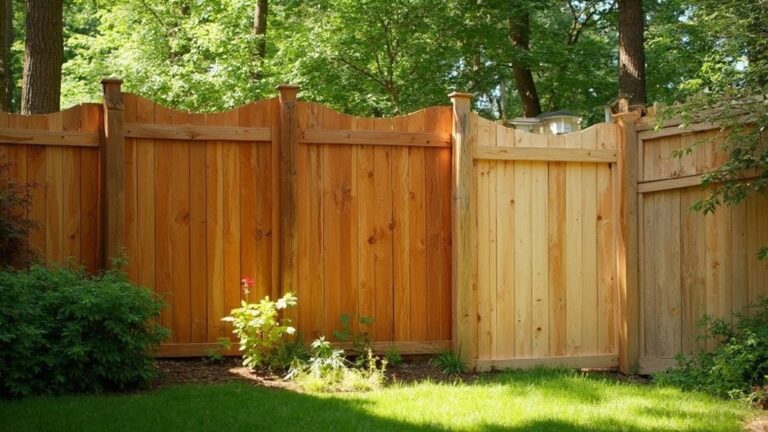
When installing a wooden fence, using the right techniques is crucial for its durability. Start with sturdy 6” x 6” posts for better strength. Brace the posts while the concrete sets to keep them aligned. Ensure each post is vertical for a stable fence. Fill the holes with concrete and let it cure for at least 24 hours. Additionally, it is important to check local municipality regulations before starting your installation to avoid potential issues. If your yard has slopes, plan for racked or stepped fences to accommodate them. Following these steps helps prevent rot and decay, extending the life of your fence, while using weatherproofing treatments ensures enhanced durability against the elements.
Utilizing Protective Treatments for Longevity

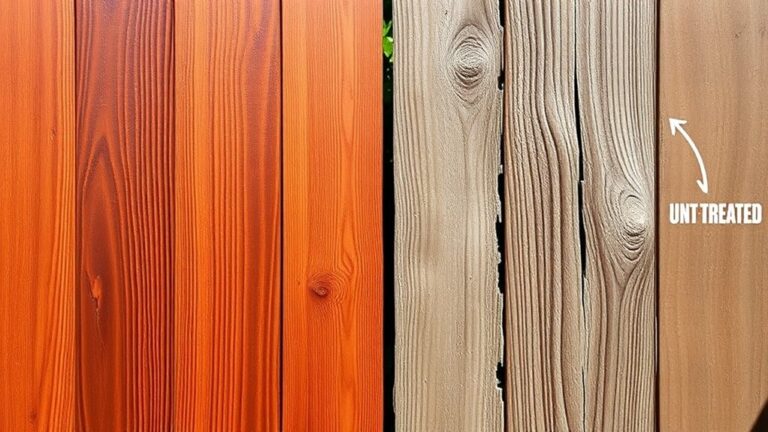
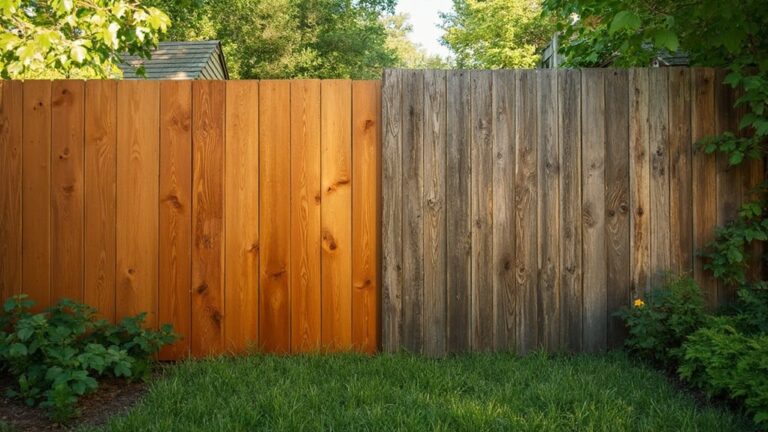
To extend the life of your wooden fence, use protective treatments like pressure treatment, sealants, and stains. These methods prevent rot and protect against moisture and UV damage. Regular maintenance is crucial to ensure these treatments work effectively over time. Additionally, the choice of wood species significantly impacts the fence’s resistance to decay and overall longevity. Choosing durable wood types such as cedar or treated wood can further enhance the lifespan of your fence.
Pressure Treatment Benefits
Pressure treatment significantly extends the life of wooden fences by infusing preservatives that guard against rot and decay.
This process uses high pressure to ensure the chemicals penetrate deep into the wood, protecting it from moisture and harmful organisms. As a result, treated wood resists fungi growth and decay, which is especially beneficial in damp environments.
Additionally, the treatment acts as an insect repellent against termites, carpenter ants, and beetles. This improves the wood’s structural integrity, allowing fence posts and rails in soil contact to last for decades.
Sealants and Stains
While pressure-treated wood is durable, applying sealants and stains offers extra protection against rot and decay.
Sealants act as a barrier against moisture and UV damage, available in clear or tinted options to enhance the wood’s look. They typically last about two years on horizontal surfaces, so regular checks and reapplication are crucial.
Stains, whether water-based or oil-based, can be used with sealants for added protection, lasting 3 to 5 years.
Always choose sealants that match your wood type and consider environmental factors for better durability. Proper application and safety measures are key for effective results.
Maintenance of Treatments
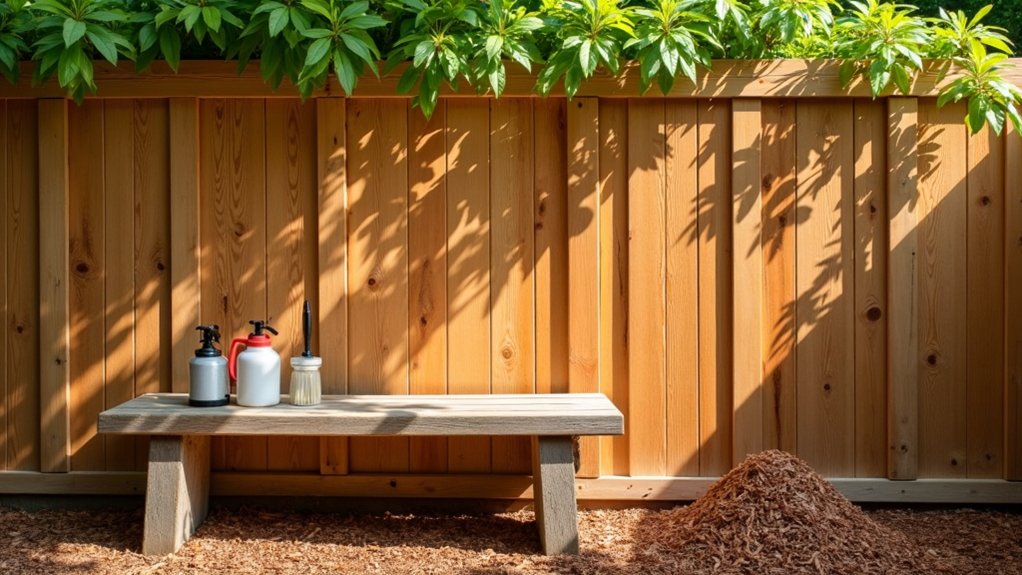
To keep your wooden fence in good shape, regular maintenance is key. Set up a schedule to clean off dirt and debris, which can cause rot.
Check for any signs of decay frequently so you can address issues early. Follow the manufacturer’s instructions to reapply protective treatments every few years, and adjust based on your local weather—harsh conditions might require more frequent applications.
Whether you use oils, paints, or waterproofing products, ensure you apply them correctly for the best results. If you’re unsure, consulting a professional can help you get the best advice for your fence.
Selecting the Right Hardware for Wooden Fences

Choosing the right hardware for wooden fences is crucial for their durability.
Opt for fasteners made of stainless steel, double hot-dipped galvanized, or polymer-coated materials to resist corrosion.
Screws provide better holding power, while nails are suitable for traditional styles. Aim for fasteners that are 1-1/2″ to 1-3/4″ long to prevent over-penetration.
Always check the manufacturer’s guidelines for compatibility with your wood type, as this affects performance.
For pressure-treated wood, silicon bronze or copper fasteners are ideal for added strength.
Regularly inspect your hardware to ensure your fence remains sturdy and visually appealing over time.
Implementing Effective Barrier Systems

To prevent rot in wooden fences, use barrier systems like drip edges and rot barrier sleeves.
These solutions seal the area where the wood meets the ground, protecting against moisture and decay.
Drip Edge Installation
Installing a drip edge is essential for protecting your wooden fence from water damage. Here are three straightforward tips to ensure proper installation:
- Choose the Right Material: Pick either metal or plastic based on your fence’s needs. Metal is durable, while plastic is lightweight and easier to handle.
- Match the Drip Edge to Your Fence: Ensure the drip edge type complements your fence design to effectively guide water away.
- Fasten Securely: Use nails or screws to attach the drip edge firmly to the fence for stability and effectiveness.
Rot Barrier Sleeves
To protect your wooden fence, add rot barrier sleeves after installing a drip edge.
These sleeves create a waterproof seal around your posts, blocking moisture and pests that cause decay.
Installation is simple—just use a hot air gun or gas blowtorch to shrink the sleeve onto the post.
No special prep is needed, so it fits right into standard installation methods.
Options like the Postsaver Pro-Sleeve or Pro-Wrap are available to meet your needs.
With low maintenance and the potential to extend post life by up to 40 years, rot barrier sleeves are an effective way to preserve your fence.
Routine Maintenance Practices for Wooden Fences

To keep your wooden fence in great shape, follow these simple maintenance tips:
- Inspect Regularly: Look for loose boards, cracks, or any structural problems. Tighten screws and replace damaged parts to avoid bigger issues down the line.
- Clean It: Use a pressure washer to get rid of dirt, and apply a bleach solution to tackle mold. Cleaning every few years helps prevent moisture build-up.
- Apply Protective Coatings: Every two years, apply UV-inhibiting sealants or stains. This not only enhances the fence’s look but also protects it from moisture.
Assessing Environmental Factors Affecting Fences

Understanding the environmental factors that impact your wooden fence is crucial for its durability. Here’s a concise overview of key factors to consider:
| Environmental Factor | Impact on Fence |
|---|---|
| Moisture Sources | Rain and contact with the ground can lead to decay. |
| Air Circulation | Limited airflow can trap moisture, increasing rot risk. |
| Soil Conditions | Poor drainage keeps moisture around the fence, speeding up deterioration. |
To keep your fence in good shape, regularly inspect it, install it properly, and use protective measures like sealants. Also, be mindful of your local climate when planning maintenance. By addressing these factors, you can ensure your fence stays strong and lasts longer.
Choosing the Right Wood for Your Fence

Choosing the right wood for your fence is crucial for its durability and resistance to rot. Here are some solid options:
- Cedar: This wood is naturally rot-resistant and requires little maintenance.
- Redwood: Known for its durability and moisture resistance, it benefits from occasional sealing.
- Black Locust: Extremely durable, it can last up to 50 years.
Beyond selecting quality wood, consider wood treatments to boost longevity.
Pressure-treated pine is a budget-friendly option but might need more maintenance compared to naturally resistant woods.
Think about your budget, aesthetic preferences, and how much upkeep you’re willing to do.
Picking the right wood and applying suitable treatments will significantly extend your fence’s lifespan and reduce decay risks.
The Role of Drainage in Fence Longevity

Good drainage is crucial for extending the life of your wooden fence.
By managing water flow and knowing your soil conditions, you can prevent rot and structural problems.
Simple steps like adding gravel around the base or ensuring proper slope can protect your fence and keep it standing strong for years.
Importance of Proper Drainage
To keep your wooden fence in good shape, proper drainage around its posts is crucial. Here are three benefits of effective drainage:
- Prevents Water Buildup: Grading the soil away from the posts helps direct water flow and prevents pooling.
- Boosts Longevity: Using gravel enhances airflow and drainage, reducing direct moisture contact with the wood.
- Increases Lifespan: Controlling moisture helps maintain the fence’s structural integrity, extending its life.
By prioritizing proper drainage, you not only protect your investment but also improve your property’s look and value.
It’s a smart move for any fence owner.
Effective Water Management Techniques
Effective water management is crucial for prolonging the life of your wooden fence. Proper drainage prevents water from pooling around the wood, which can cause rot. Start by grading the soil so it slopes away from the fence. You might also want to install French drains to handle excess runoff. Adding gravel layers or landscape fabric can further improve drainage. Regularly clear debris and check your drainage systems to avoid clogs.
| Technique | Purpose | Benefit |
|---|---|---|
| French Drains | Directs water away | Reduces wood contact with water |
| Gravel Base Layers | Enhances drainage | Minimizes standing water |
| Cap Rails | Promotes runoff | Lowers moisture absorption |
| Annual Cleaning | Clears debris | Prevents blockages and improves airflow |
Impact of Soil Conditions
How do soil conditions affect the lifespan of your wooden fence?
It’s crucial to understand these factors for proper fence maintenance. Here are three important considerations:
- Soil pH: Acidic soils can speed up wood decay. Regularly check your soil’s pH to manage this risk.
- Drainage: Poor drainage can lead to water buildup, increasing the chance of rot. Installing proper drainage can help protect your fence.
- Soil Type: Clay soils hold water, while sandy soils allow for better drainage. Choose your fence materials based on your soil type to ensure it lasts longer.
Regular Inspection and Early Detection

Don’t let small problems turn into expensive repairs. Regular inspections and early detection are key to maintaining your wooden fence. Aim to inspect at least once a year or after harsh weather.
Check for discolored or warped wood and soft spots that could indicate rot. Pressing on panels and tapping with a mallet can help reveal hidden damage. Consider using moisture meters to catch dampness early.
Keep a record of your observations and tackle minor issues right away to avoid bigger problems later. By staying proactive, you can prolong your fence’s life and save money on repairs.
Pest Control Strategies to Protect Your Fence

To safeguard your wooden fence from pests, here are three practical strategies:
1. Identify Pests Early: Regularly check for signs like mud tubes or sawdust to spot infestations before they escalate.
2. Choose Smart Materials: Opt for pressure-treated wood or composite materials to minimize pest attraction.
Adding small-mesh wire at the base can help keep rodents away.
3. Use Eco-Friendly Treatments**: Apply borate-based solutions and waterproof sealants** with insect-repellent features to protect your fence while being kind to the environment.
Seasonal Care Tips for Wooden Fences

Caring for your wooden fence year-round is key to keeping it sturdy and looking good. Here’s a quick guide to seasonal maintenance:
| Season | Key Tasks | Purpose |
|---|---|---|
| Spring | Clear debris, wash, treat for mold | Prevent moisture buildup |
| Summer | Clean regularly, apply UV stain | Shield against sun damage |
| Autumn | Remove debris, check hardware | Get ready for winter |
| Winter | Clear snow, inspect for damage | Prevent structural issues |
Frequently Asked Questions
How Often Should I Apply Sealants to My Wooden Fence?
Apply sealant to your wooden fence every 2-3 years for optimal protection. If you live in a sunny area, consider sealing it annually. Regularly check your fence’s condition to determine if it needs reapplication sooner.
Can I Use Pressure-Treated Wood for My Fence Posts?
Yes, you can use pressure-treated wood for fence posts. It helps prevent rot and insect damage, making your fence last longer. For example, if you live in a damp area, pressure-treated wood is a great choice to keep your fence sturdy over time.
What Types of Wood Are Most Resistant to Rot?
When considering rot-resistant woods, Western red cedar and redwood are top choices. Cedar is known for its natural rot resistance, while redwood contains oils that help it withstand decay. Both options are excellent for long-lasting fencing projects.
Is It Necessary to Paint a Wooden Fence for Protection?
Painting a wooden fence isn’t mandatory, but it provides important benefits like moisture resistance and UV protection. Regular maintenance, including repainting, can extend your fence’s life and boost its appearance. For example, a well-painted fence can withstand harsh weather better and look fresh for years.
How Do I Know if My Fence Has Insect Damage?
To check for insect damage on your fence, look for signs like mud tubes, wood that sounds hollow when knocked, and small piles of frass (insect droppings). Identifying the type of insect is crucial to tackling the problem effectively. Make it a habit to inspect your fence regularly to catch any issues early.
Conclusion
To protect your wooden fence from rot and decay, follow these simple steps. First, apply a protective treatment like sealant or stain to create a barrier against moisture. Ensure proper drainage around the fence to prevent water accumulation. Regularly inspect the fence for signs of damage and pests, such as termites or carpenter ants. By staying proactive with these measures, your fence will remain strong and attractive for years, maintaining its function and appearance throughout the seasons.