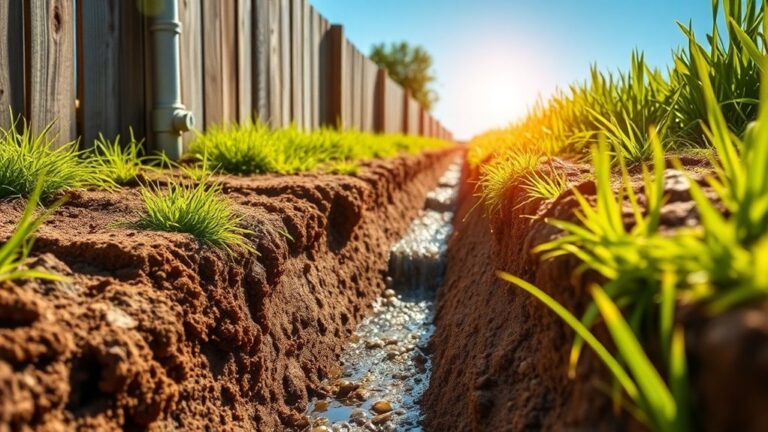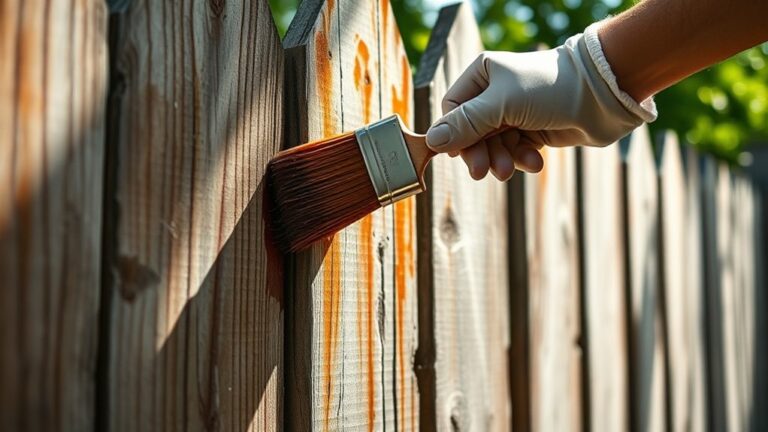

To fix gaps in your fence, start by checking for any damage. For small gaps, you can use wood strips or outdoor glue. For bigger gaps, consider adding new slats or pressure-treated boards. If there are holes, wire mesh works well for patching, while concrete can fill larger spaces. You might also plant some greenery to cover gaps attractively. Regular maintenance and quick repairs will help you avoid future problems. Explore these methods for any type of fence material.
Key Takeaways
- Regularly check your fence for damage or loose parts to catch gaps early.
- For small gaps, use wood strips secured with outdoor glue or nails.
- Fill larger gaps by measuring and installing new slats with rust-resistant fasteners.
- Consider using chicken wire or concrete, ensuring good drainage and a smooth finish.
- Use climbing plants or natural fillers to enhance privacy and cover gaps beautifully.
Methods for Fixing Gaps in Wooden Fences
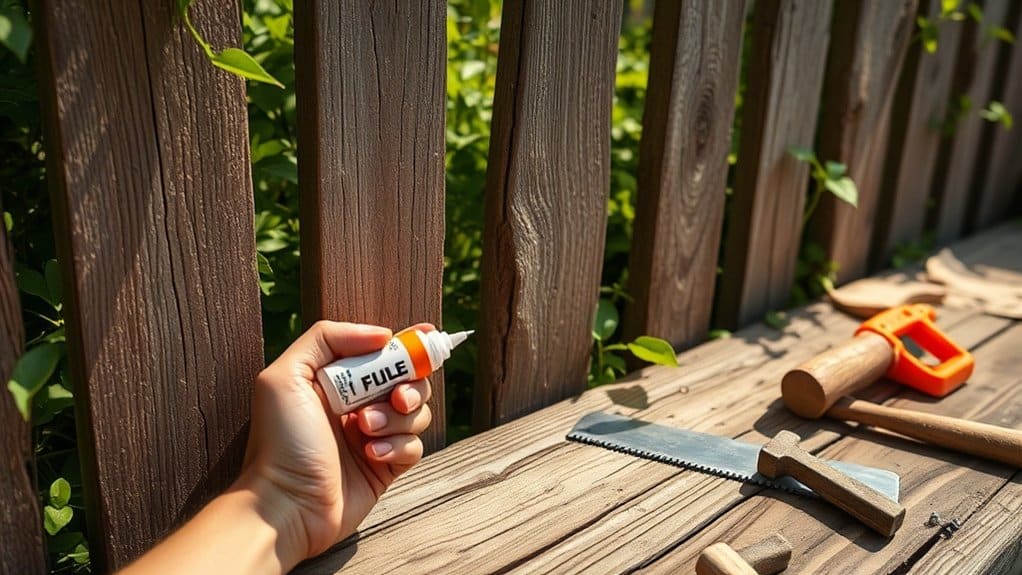
If you see gaps in your wooden fence, fix them quickly to keep it looking good and secure.
For small gaps, use narrow strips of wood that match your existing boards. Use compatible woods like cedar or pine and secure them with outdoor wood glue or galvanized nails. Wood expands and contracts with temperature and moisture changes, which can create gaps over time. Additionally, using quality materials will help prevent structural issues that lead to gaps.
For larger gaps, measure carefully and install new slats with corrosion-resistant fasteners, either vertically or horizontally as needed.
If any boards are warped or damaged, replace them with pressure-treated wood and seal or stain for added protection.
These simple repairs will help your fence stay strong and attractive for longer.
Using Wire Mesh and Chicken Wire to Close Fence Gaps
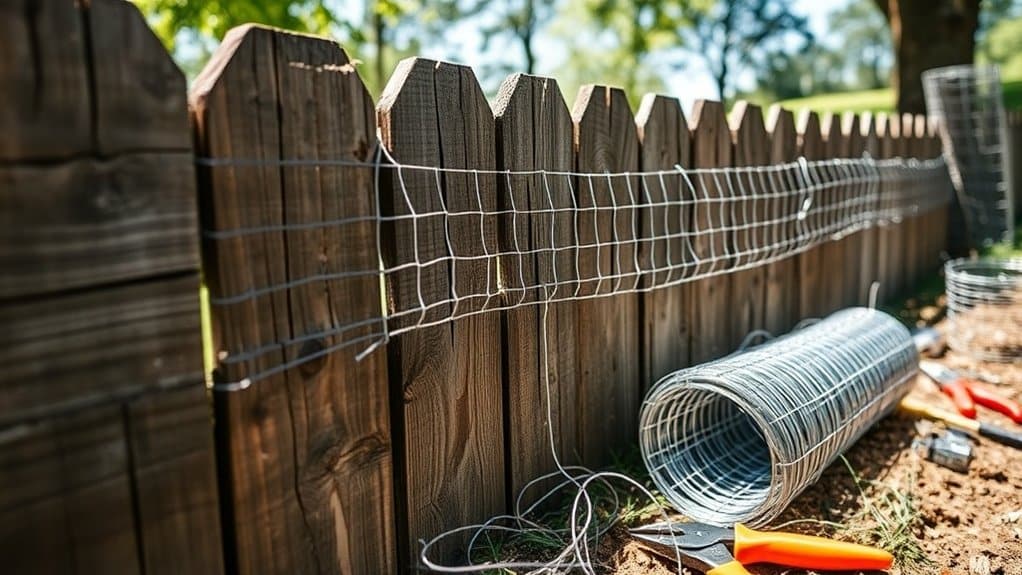
Using wire mesh and chicken wire is a simple and effective way to close gaps in your fence, especially where pests or erosion are concerns. For chicken wire, cut a piece that overlaps the damaged area and secure it with wire or zip ties for added durability. If you find small holes, repair them by bending the wires back together and tying them for strength. Additionally, consider using tensioning wire to maintain mesh rigidity, preventing sagging and enhancing the overall stability of your repair. Regularly check and maintain your fence to avoid future damage and ensure its longevity. Always remove damaged sections with wire cutters for a clean patch. Adding tension wire at the top or bottom keeps the mesh tight and prevents sagging. Regularly inspect your fence and address issues promptly to maintain its security and effectiveness.
Filling Gaps With Concrete and Cement
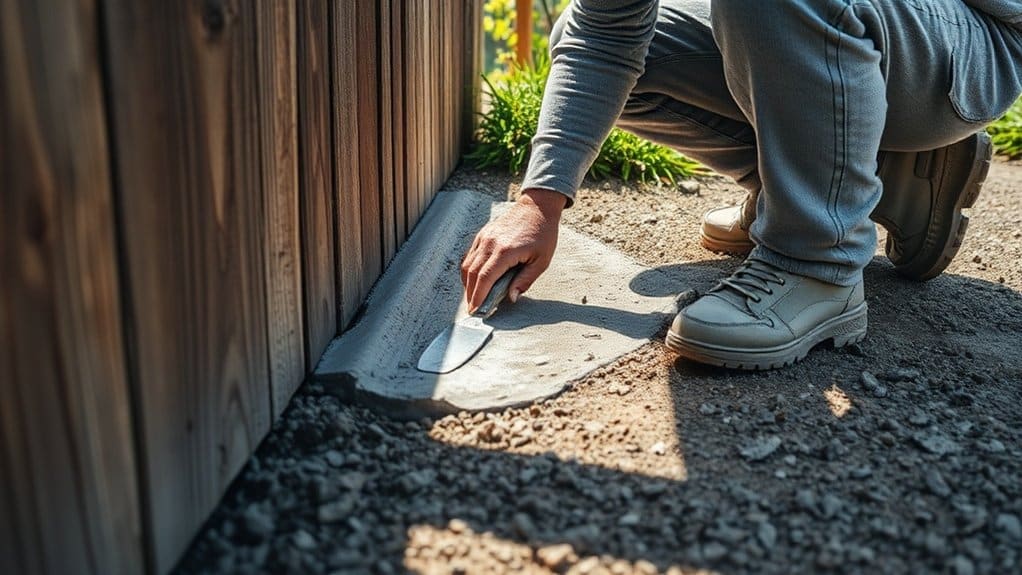
Filling gaps in your fence with concrete or cement creates a strong barrier that boosts durability and keeps pests out. To get started, apply the material evenly for a smooth finish. Extending wooden gates can also enhance the overall effectiveness of your fence. Additionally, ensure that you have proper drainage systems in place to prevent moisture accumulation that could compromise the integrity of both the fence and the concrete. Consider how it will look, as you may need to treat the concrete to match your fence’s appearance.
Benefits of Concrete Barriers
Concrete barriers provide essential benefits for enhancing fencing security and durability.
Here are the key advantages:
- Strong deterrents: They effectively block unauthorized access.
- Weather-resistant: Concrete endures harsh conditions and needs little upkeep.
- Traffic management: Their design helps control vehicle and pedestrian movement.
- Cost-effective: Higher initial installation costs are offset by their long lifespan.
- Environmental protection: They prevent illegal dumping, keeping areas safe and clean.
Using concrete barriers in your fencing strategy offers a reliable, low-maintenance solution for security needs.
Application Techniques for Filling
After reinforcing your perimeter with concrete barriers, it’s important to fill any gaps that could weaken your fencing.
First, clear any debris and level the area to ensure the concrete bonds well. If needed, dig a trench for better placement.
Mix concrete using a standard ratio of 1 part cement, 2 parts sand, and 3 parts gravel, adding water gradually until you achieve the right consistency. For smaller gaps, a mortar mix works well.
Pour or trowel the mix into the gap, making sure to fill all voids. Smooth it out so it’s flush with the fence base and compact it to enhance strength and reduce the risk of shrinkage cracks.
Aesthetic Considerations in Finishing
To enhance your fence’s visual appeal while filling gaps with concrete, consider these simple tips:
- Color Match: Use pigments or stains to ensure your concrete filler blends with existing materials.
- Texture Matters: Apply textured finishes like broom or exposed aggregate for added interest.
- Seal for Shine: A sealant can enhance the sheen and unify the overall look.
- Sculpt Edges: Shape cement patches to seamlessly fit irregular edges.
- Add Patterns: Use colored aggregates for unique designs.
These techniques can transform a functional repair into an attractive feature.
Incorporating Plants and Natural Fillers to Conceal Gaps
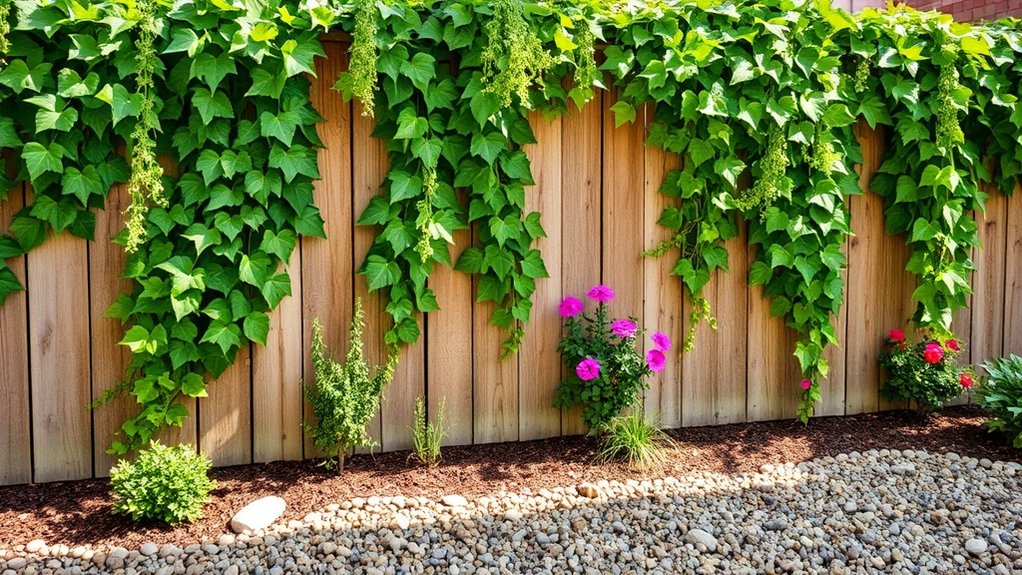
To conceal gaps in your fence, use a mix of plants and natural fillers that boost privacy and look good.
Climbing plants like Clematis montana ‘Elizabeth’ or Honeysuckle (Lonicera) can quickly cover vertical spaces. For quick seasonal coverage, try annual climbers like Morning Glory.
At the bottom, low-growing ground covers like creeping thyme can hide lower gaps and keep weeds at bay.
Make sure your plant choices suit your local climate for the best results. Regular pruning will keep your plants healthy and enhance your fence’s appearance while providing a natural barrier.
Using Timber and Composite Boards for Gap Sealing
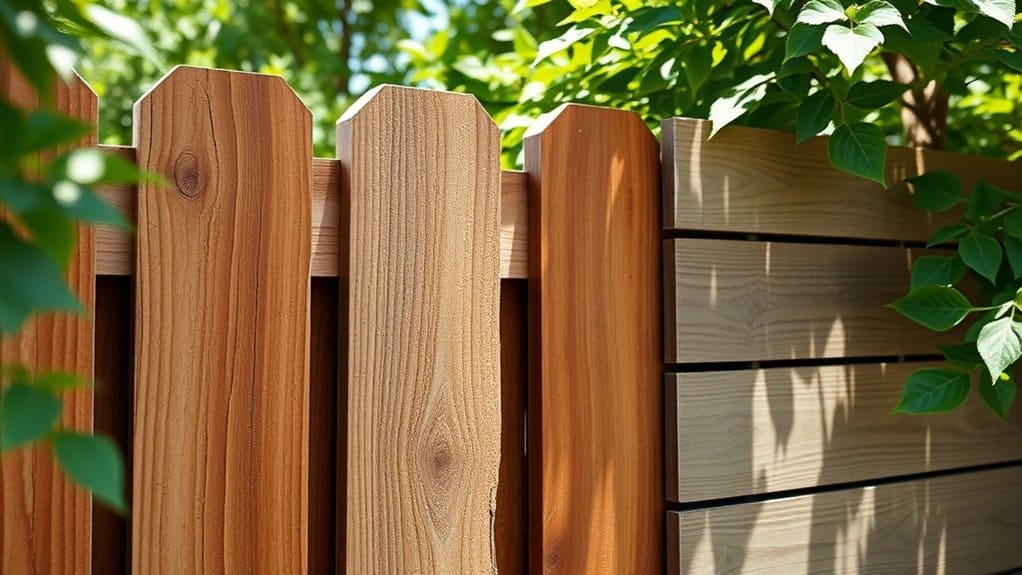
When sealing gaps in your fence, it’s important to choose the right material.
Timber looks great and can be easily customized, while composite boards are more weather-resistant and require less upkeep.
Knowing the best installation methods will help ensure a secure fit for your boards.
Material Selection Considerations
When sealing gaps in your fence, choosing the right material is crucial for durability and maintenance. Here’s a quick breakdown of timber versus composite boards:
- Timber Durability: Cedar and pressure-treated wood are resistant to rot and termites.
- Customization: Both types can be easily cut to fit different gap sizes.
- Moisture Resistance: Opt for moisture-resistant fillers or sealers to extend lifespan.
- Composite Benefits: Composite boards resist warping and insect damage better than timber.
- Maintenance: Composite requires less upkeep, so you won’t need to seal it as often.
Keep these factors in mind to make the best choice for your fence!
Installation Techniques Overview
Installing gap seals in your fence? Here’s what you need to know for both timber and composite boards.
For timber, use 1×6 or 1×4 dimensional lumber and secure it with stainless steel screws to avoid rust. Pre-drill holes to prevent splitting and attach the boards directly to the fence posts for added stability.
For composite boards, pick those made from wood fibers and plastic. Use stainless steel screws for fastening and cut them with carbide-tipped blades for clean edges. Make sure to install them flush, leaving the manufacturer-recommended expansion gaps.
Before starting, clear and level the ground, measure the gaps precisely, and wear protective gear for safety.
With these tips, you’ll achieve a durable and effective seal in no time!
Preventive Measures and Maintenance to Minimize Fence Gaps
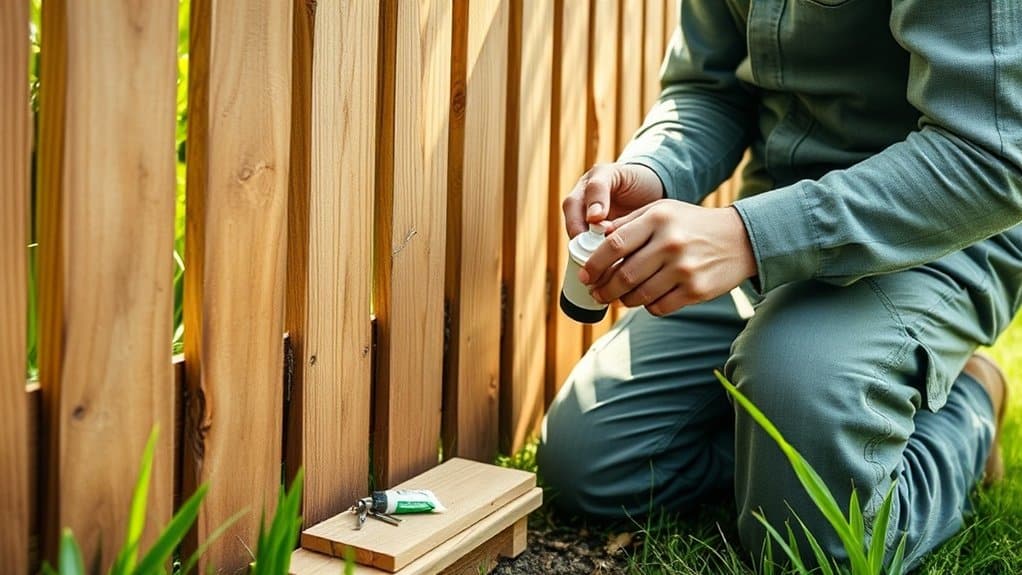
To minimize fence gaps, follow these preventive maintenance steps:
- Regularly inspect your fence for loose posts or warped boards.
- Clean both sides often to remove dirt and debris.
- Promptly replace any damaged parts to prevent gaps from getting bigger.
- Apply protective finishes to repel moisture and avoid decay.
- Secure loose posts and fill small gaps with suitable materials.
These simple actions can significantly extend your fence’s lifespan.
Frequently Asked Questions
How Often Should I Check My Fence for Gaps?
Check your fence for gaps at least four times a year. Regular inspections help you spot issues early, like loose boards or rust, which can prevent bigger problems down the line. Keeping an eye on your fence ensures it stays strong and effective.
What Tools Are Needed for Fence Gap Repairs?
To repair gaps in your fence effectively, you’ll need a few key tools: a claw hammer, wire cutters, and a post driver. These tools will help you secure your fence and keep it sturdy. For instance, use the claw hammer to drive nails and the wire cutters to trim any excess wire. With these essentials, your fence will be in good shape in no time!
Can I Paint Over Repairs for Better Aesthetics?
Yes, you can paint over repairs to improve aesthetics. Choose the right paint, like exterior-grade options, and prepare the surface well. This not only enhances the look but also protects the repairs and helps blend patched areas with the rest of your fence.
How Do I Choose the Right Plant Species for My Fence?
Choosing the right plants for your fence is essential. Match the growth rates and heights of the plants to your space. Think about sunlight, soil type, and how much maintenance you can handle. For instance, if your fence gets full sun, consider sunflowers or climbing roses. If you prefer low-maintenance options, try evergreen shrubs. This way, your plants will thrive, not just survive.
Are There Any Eco-Friendly Options for Filling Fence Gaps?
To fill fence gaps, consider using natural materials like bamboo rolls or brushwood panels. Sustainable options include raised planter boxes or living plants, which not only fill gaps but also improve the look and function of your space.
Conclusion
In summary, fixing gaps in your fence is simpler than you might think. Whether you use wooden boards, wire mesh, or add some plants, you can easily enhance your fence’s appearance and privacy. Regular maintenance is key; a well-maintained fence effectively keeps out unwanted visitors. Start your project today and improve your fence!