

DIY natural fencing projects can save you money and let you customize your fence to fit your style. However, these projects require a good amount of time and some skills, like knowing local building codes and installation methods. Regular maintenance is also necessary to keep the fence looking good and lasting long, which can add to your workload. Weighing the pros and cons helps you decide if a DIY fence is right for you.
Key Takeaways
- Cost Savings: Building your own natural fence can cut costs by up to 50% compared to hiring professionals, especially if you use budget-friendly or reclaimed materials.
- Skill and Knowledge Requirement: To succeed, you need to know building codes, load-bearing principles, and how to use tools effectively.
- Time Commitment: Expect to spend several days to weeks on your DIY project, depending on how many tasks you tackle and whether you’re working solo.
- Maintenance Duties: Keeping your fence in good shape is crucial. This means regular inspections, cleaning, and protecting it from the elements.
- Design Freedom: DIY natural fencing offers the opportunity to create unique designs using eco-friendly materials, allowing you to express your personal style while being sustainable.
Cost Savings of DIY Natural Fencing

Taking on a DIY natural fencing project can save you a lot of money compared to hiring a pro.
With smart budgeting, you could cut your wood fence costs by up to 50%. Choosing the right materials is key; for example, pine wood can cost just $1–$5 per linear foot. Additionally, exploring alternative fencing types can provide more options that fit your budget.
You can save even more by buying materials at wholesale prices or using reclaimed wood. Plus, by doing the work yourself, you avoid labor costs that can make up half of the total expenses. A DIY fence made from arborvitae trees can also provide long-term benefits like sound dampening and curb appeal.
With careful planning and wise choices, your DIY fence can be both cost-effective and satisfying.
Time Investment and Labor Requirements

Starting a DIY natural fencing project requires a good amount of time and physical effort. Be ready to dedicate several days to weeks, especially if you’re doing it alone. If you can only work on weekends, the project could take even longer. Here’s a quick look at the tasks involved:
| Task | Time Estimate | Labor Intensity |
|---|---|---|
| Site Preparation | 2-5 days | High |
| Post Hole Digging | 1-3 days | Very High |
| Concrete Mixing & Setting | 2-4 days | High |
| Material Installation | 3-7 days | Moderate to High |
| Finishing Touches | 1-2 days | Moderate |
Keep in mind that complex designs or tough terrain will require more effort. Additionally, consider that the total cost of materials for a standard fence can reach around $$3200 for materials depending on the quality of lumber chosen. Proper material selection is crucial to ensure durability and longevity. Make sure to take breaks to maintain your stamina.
Skill Levels and Knowledge Needed

To successfully build a DIY natural fence, you need to understand the necessary skills and local building codes. Knowing how to use different tools and materials is crucial. Make sure your design follows safety and zoning rules. This knowledge won’t only improve your craftsmanship but also ensure your fence lasts. Additionally, familiarity with wattle fencing can enhance your project by providing a sustainable and aesthetically pleasing option that has been used for thousands of years.
Required Technical Skills
When starting DIY natural fencing projects, you’ll need a mix of technical skills. First, learn to choose materials like willow and bamboo, understanding their properties and how to use eco-friendly options for weaving.
Next, get familiar with load-bearing principles and post spacing for stability. You’ll also need to confidently use tools like saws and drills.
Lastly, practice wattle weaving by interlocking materials and ensuring even tension. This skill set is key to building a strong and attractive natural fence.
Understanding Building Codes
Understanding building codes involves more than just choosing materials and building techniques; it’s crucial to understand local building codes. Here’s what you need to consider:
- Height Limits: Fences under 6-7 feet usually don’t need permits, but front yard fences often have strict height restrictions.
- Material Considerations: Lighter materials like vinyl may have fewer permit requirements, while heavier materials like concrete face more regulations.
- Permit Documentation: When applying for a permit, you may need to provide site plans, material specifications, and structural calculations for taller fences. Additionally, specific height and material rules vary by city, so it’s essential to check local regulations before starting your project.
Design Flexibility and Personalization Options

Natural fencing offers great design flexibility and personalization options, helping you create a unique look that fits your style and needs.
With materials like willow, bamboo, and recycled glass, you can achieve eco-friendly and attractive options. Customize the height and weaving style of wattle fencing, or mix horizontal and vertical slats for interesting patterns.
Adding trellis panels allows you to support climbing plants, enhancing your space even further. You can also use local materials for a regional touch.
Whether you like intricate designs or simple modular setups, the options are vast. This adaptability ensures your fence not only serves its purpose but also enhances your landscape’s character.
Maintenance Responsibilities for Natural Fencing

To maintain your natural fencing, regular upkeep is crucial.
Check for wear and weather damage to keep it sturdy and attractive.
Simple steps like applying a weatherproof sealant can protect against rain and sun, extending its life and resilience.
Regular Upkeep Requirements
Maintaining a natural fence is crucial for its longevity and looks. Here are some key upkeep tasks:
- Routine Cleaning: Clean your fence regularly to avoid mold and mildew. Use suitable cleaners to keep it looking fresh.
- Structural Inspections: Check for damage every few months. Look for wood rot or loose parts to catch problems early.
- Hardware Maintenance: Inspect and lubricate gate hardware frequently to ensure smooth operation and prevent rust.
Also, manage drainage around your fence posts to prevent water damage.
Weather Protection Strategies
Regular maintenance is key to a strong and attractive fence, but it needs weather protection to withstand the elements.
Use sealants to shield against moisture and UV rays, which can prolong your fence’s life. Opt for materials like cedar or bamboo, which resist decay naturally.
Ensure proper drainage by grading the soil around the base and adding gravel to prevent water buildup. For added stability, embed posts deeply and consider using gravel boards.
These strategies will help keep your DIY fence functional and good-looking, no matter the season.
Durability and Longevity of Natural Materials

When considering natural materials for fencing, it’s important to look at different wood types and their properties. Here are three key points to keep in mind:
- Wood Types: Cedar and redwood are durable and can last 15-20 years with proper care. Pressure-treated wood is also a good choice, especially in damp areas, as it resists rot.
- Maintenance: Regular maintenance is crucial. Without it, wood can rot or warp, which shortens its lifespan.
- Composite Benefits: Composite fencing can last 20-30 years, resists rot, and requires less upkeep, making it a smart long-term investment.
Risks Involved in DIY Natural Fencing

Starting a DIY natural fencing project can be rewarding, but it comes with risks you need to consider. One major concern is structural instability; if posts aren’t deep enough or aligned correctly, your fence could lean or even collapse.
Safety is also a priority—lifting heavy materials and using power tools can lead to injuries, with over 14,000 reported last year alone.
Additionally, you might face legal issues if you don’t check zoning rules or skip necessary permits, which can delay your project. Unexpected costs can arise from mistakes or repairs, negating any initial savings.
To reduce these risks, make sure to understand your soil conditions, use the right tools, and verify your property boundaries before you begin. Keeping these factors in mind can help ensure a successful DIY fencing experience.
Environmental Considerations

When considering DIY natural fencing, think about the positive environmental impact it can have. By using natural materials, you support sustainability and carbon capture.
Here are three benefits:
- Less Resource Use: Materials like bamboo and reclaimed wood reduce the need for new extraction, helping to protect forests and cut down on waste.
- Lower Carbon Emissions: Sourcing materials locally cuts transportation emissions, and sustainably harvested wood absorbs carbon, helping the climate.
- Minimized Waste: Biodegradable options like untreated wood and bamboo reduce landfill waste, supporting a circular economy.
These choices not only improve your property but also contribute to a healthier environment, making your DIY project beneficial for you and the planet.
Tools and Equipment Necessary for Installation

To install a DIY natural fence successfully, the right tools are crucial. Start with basic hand tools such as hammers, pliers, and saws for assembly and cutting.
A post hole digger and tape measure are essential for accurate hole placement and estimating materials. For added efficiency, use power tools like a cordless drill and circular saw.
Choose your tools wisely, as they can greatly impact your project’s success. Regular maintenance is important to keep your tools in good shape.
Don’t forget safety gear like gloves and glasses to protect yourself during installation. With proper preparation, your DIY fencing project can be a success.
Common Mistakes to Avoid

Many DIY enthusiasts make mistakes during fence construction that can cause problems later.
To ensure your fence lasts, steer clear of these common pitfalls:
- Measurement Errors: Always double-check your measurements to avoid disputes over property lines and ensure panels align correctly.
- Shallow Post Holes: Dig post holes at least 30 to 36 inches deep and fill them with concrete. Shallow holes can lead to leaning or collapsing fences.
- Ground Preparation: Clear away rocks and debris before installing your fence. Uneven ground can create gaps and unstable panels.
The Value of Professional Guidance

When taking on a DIY fencing project, getting professional help can greatly improve your results. Experts understand materials, local terrain, and building regulations, which ensures your fence is strong and meets all codes.
Their experience can help you avoid mistakes that lead to costly repairs down the line. Although scheduling their services might take some time, professionals usually work faster, saving you from a lot of hard labor.
They also handle permits, making the process easier for you. Additionally, they often have access to better materials and offer warranties, which means your fence will last longer.
With their advice, you can also create a fence that looks great, not just functional.
Frequently Asked Questions
What Types of Natural Materials Are Best for Fencing?
Bamboo and recycled wood are great options for natural fencing. Bamboo grows quickly and resists pests, while recycled wood offers durability. Together, they create an eco-friendly and attractive barrier for your yard.
How Do I Choose the Right Design for My Property?
To choose the right design for your property, pick a fence that matches your home’s style and clearly marks your boundaries. Look at local materials and the current landscape to create a barrier that blends well and serves its purpose. For example, if you have a modern home, a sleek metal fence might be a great fit, while a rustic wooden fence could complement a farmhouse aesthetic.
Can I Build a Fence Alone, or Do I Need Help?
You can build a fence by yourself, but some projects might be easier with help. For example, if you’re using heavy materials or have a complex design, having an extra set of hands can make the job safer and more efficient.
What Are the Best Weatherproofing Methods for Natural Fencing?
Treat your fence like a shield against the elements. Use natural sealants and weatherproofing methods to keep it safe from moisture and decay. Regularly reapply sealants to ensure your fence stays strong and protective.
How Can I Ensure My Fence Complies With Local Regulations?
To ensure your fence meets local regulations, start by checking local codes and securing any necessary permits. Pay attention to height limits, property line setbacks, and any rules from your homeowner association. For example, if your neighborhood has a maximum fence height of 6 feet, make sure to adhere to that to avoid fines. Being informed and proactive will make your installation smoother.
Conclusion
When considering DIY natural fencing, it’s essential to weigh the pros and cons. You can save money and express your creativity, but it requires significant time and effort. If you’re eager to learn and get hands-on, it can be a fulfilling project. However, don’t underestimate the value of hiring a professional; they have the experience to sidestep common mistakes.

Absolutely save on costs with DIY residential fencing, but are the challenges worth it? Discover the essential pros and cons Read more

Before starting your project, discover essential tips for accurately calculating material needs that could save you money—don't miss these crucial Read more
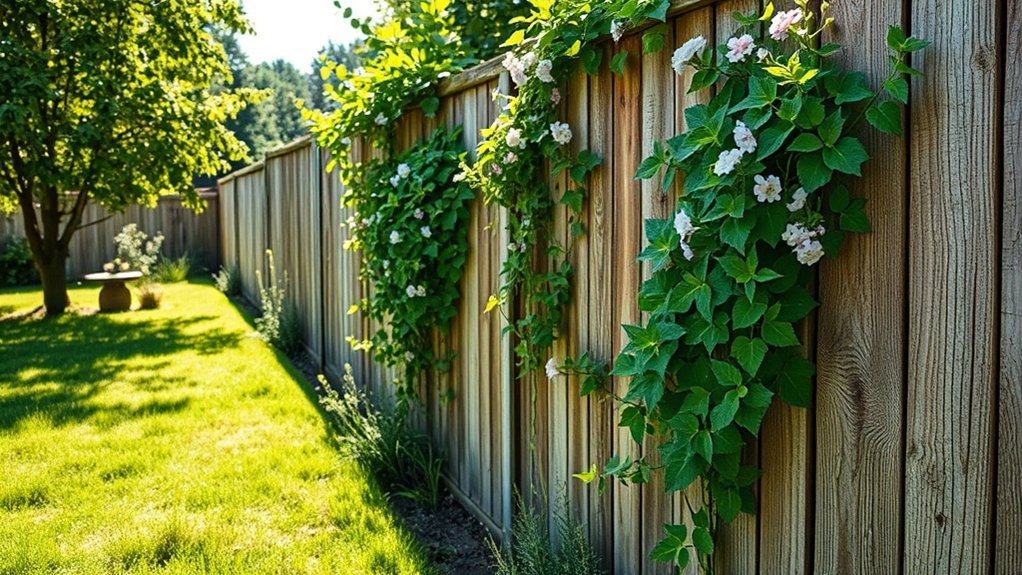
Find out the advantages and disadvantages of DIY natural fencing projects—understanding these could lead to unexpected surprises in your backyard Read more


