DIY natural fencing projects can save you 45-50% compared to hiring professionals. You have full control over the design and materials, allowing for unique and eco-friendly choices. However, these projects demand a lot of time, physical effort, and regular maintenance. While the environmental benefits and aesthetic appeal are significant, you need to consider the challenges involved. Understanding these factors can help you make a better decision.
Key Takeaways
- DIY natural fencing can cut costs by 45-50% compared to hiring professionals, but be aware of potential hidden expenses.
- You have full control over the design and materials, allowing for a unique look that can boost your property’s appeal.
- Expect to invest significant time and physical effort, especially with heavy materials and larger spaces.
- Basic skills and material knowledge are essential, and there’s a learning curve for proper installation techniques.
- Participating in community DIY projects can strengthen relationships and provide a rewarding sense of accomplishment.
Cost Savings of DIY Natural Fencing Projects

A DIY natural fencing project can save you 45-50% compared to hiring professionals. While material costs range from $7 to $45 per linear foot, be aware of potential hidden expenses like equipment rental and permits that can cut into your savings. Planning ahead can help you avoid unexpected costs and ensure a smoother project experience. Professional labor typically adds about 35% to total costs, so doing the work yourself eliminates this expense. However, be cautious—mistakes and longer project timelines can eat into your savings. Careful planning is essential to keep your DIY project on budget and achieve the results you want. Additionally, considering options like living privacy fences can provide long-term savings and benefits beyond just initial costs.
Control and Customization in DIY Natural Fencing

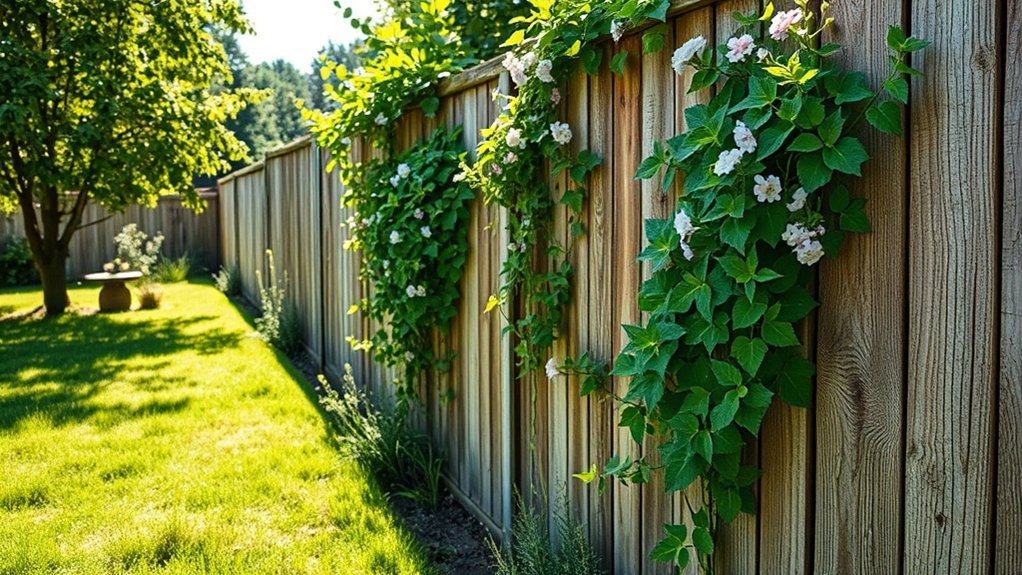
DIY natural fencing projects give you complete control and customization to create a unique barrier that fits your landscape. You can choose materials like sticks or reclaimed wood to match your yard’s look. The design can adapt to irregular shapes, and you can incorporate living plants or climbing vines for added privacy and beauty. Using local or fallen materials is sustainable and allows for untreated options that can affect durability. Additionally, living fences can enhance the natural aesthetics while providing a functional barrier. Your creativity can shine through in different patterns like wattle or lattice, and you can select colors and textures to suit your style. Ultimately, your inspiration guides the project, making sure your fence is both functional and artistic. Choosing durable materials, such as Western Red Cedar, ensures longevity and resilience for your DIY fencing solution.
Time and Physical Effort Demands

When starting a DIY natural fencing project, be ready to invest time based on your yard’s size and terrain. For instance, a small, flat yard may take less time than a large, hilly one. The physical labor can be tough, especially with heavy materials or uneven ground. Preparation importance is crucial to ensure a smoother process, so clearing the fence line beforehand can further expedite installation. Knowing these demands will help you plan better and set realistic timelines for finishing your project.
Significant Time Investment
Creating a natural fence requires a significant time investment for the best results.
Start with thorough planning, which involves choosing the right plants based on your location and climate—this can take hours.
Preparing the site is another time-consuming step; clearing land and improving soil can take several days.
When you plant, be precise in positioning, and if you’re installing an irrigation system, add extra time for that too.
Once your fence is growing, it needs regular care like watering and pruning.
Rushing any part of the process can lead to problems, so be patient and thorough to ensure a successful outcome.
Physical Labor Challenges
Creating a natural fence can be rewarding, but it comes with physical challenges.
Digging post holes can be tough, especially in rocky soil. Lifting heavy posts and panels requires strength, particularly on uneven ground.
Repeated tasks like hammering and sawing can lead to muscle fatigue or injuries if you don’t use tools safely. Using equipment like augers and nail guns can be tiring, especially for beginners.
Additionally, moving bulky materials can be tricky, so having a team to share the workload is important for safety and efficiency.
Skill and Knowledge Requirements

To successfully complete a DIY natural fencing project, you need basic skills like measuring accurately and handling tools safely.
You’ll face a learning curve while mastering weaving techniques and understanding different materials. Tackling these challenges improves your craftsmanship and ensures your fence lasts longer. Additionally, familiarity with installation methods is crucial for ensuring stability and durability in your natural fencing project.
Technical Skills Needed
When starting DIY natural fencing projects, having the right technical skills is vital. Know your materials, like wood and branches, to pick the best for durability and looks. Familiarity with tools such as post hole diggers and saws ensures accurate assembly.
Prepare your site by clearing obstacles and considering soil type for stable posts. Pay attention to detail when constructing foundations and attaching components, as they need to endure weather conditions.
Lastly, be ready to adapt and troubleshoot any unexpected issues to ensure your project is a success.
Learning Curve Challenges
Starting your DIY natural fencing project comes with a steep learning curve. Here are key challenges to tackle:
- Know the Rules: Check your property lines and local regulations to avoid issues later.
- Measure Accurately: Use leveling tools to mark post locations correctly, especially on uneven ground.
- Think on Your Feet: Be ready to solve problems as they arise, using critical thinking to adapt your plans.
While these tasks can seem daunting, mastering them will improve your skills and make your project more enjoyable.
Embrace the process, and you’ll become a more capable DIYer.
Maintenance and Durability Factors

Natural fencing can add beauty to your landscape, but its upkeep is crucial for lasting effectiveness. To maintain durability, clean your fence with mild soap and apply sealants to protect against moisture and UV damage.
Check your fence twice a year for issues like loose boards or rot, which can weaken it. Ensure proper moisture management around posts by avoiding water pooling and keeping soil levels consistent to prevent warping.
Lubricate gate hardware regularly to avoid rust and ensure smooth operation. By following these simple steps, you’ll extend the life of your natural fence while keeping it looking great, making your investment worthwhile.
Potential Risks and Limitations of DIY Natural Fencing

Installing a DIY natural fence can be exciting, but it’s important to be aware of potential risks and limitations. Here are three key points to consider:
- Installation Errors: If measurements are off, you could end up with sections that don’t line up properly, affecting both the look and function of your fence.
- Legal Implications: Not checking local regulations could lead to fines or disputes with neighbors, especially if your fence crosses property lines.
- Material Selection: Using poor-quality materials can result in higher maintenance needs and safety issues, like splintering or structural collapse.
Being mindful of these factors can help you tackle your DIY natural fencing project more successfully.
Environmental Benefits of Natural Fencing

Natural fencing provides several environmental benefits that enhance your property and support the ecosystem.
Using sustainable materials like bamboo or locally sourced wood reduces resource use and lowers transportation emissions. These fences create habitats for wildlife, offering nesting sites for birds and pathways for small mammals.
Unlike synthetic options, which can produce high emissions, wood fencing generates fewer greenhouse gases. Durable materials like treated wood and metal also help minimize waste over time.
Investing in natural fencing not only beautifies your space but also promotes a healthier environment and supports local wildlife.
Aesthetic Value of DIY Natural Fencing

Investing in DIY natural fencing boosts both your property’s eco-friendliness and its visual appeal.
Here are some simple ways to enhance aesthetics:
- Material Choice: Opt for wood from fruit trees or reclaimed materials for unique textures and colors.
- Integration: Ensure your fence matches the color and texture of existing hardscapes for a cohesive look.
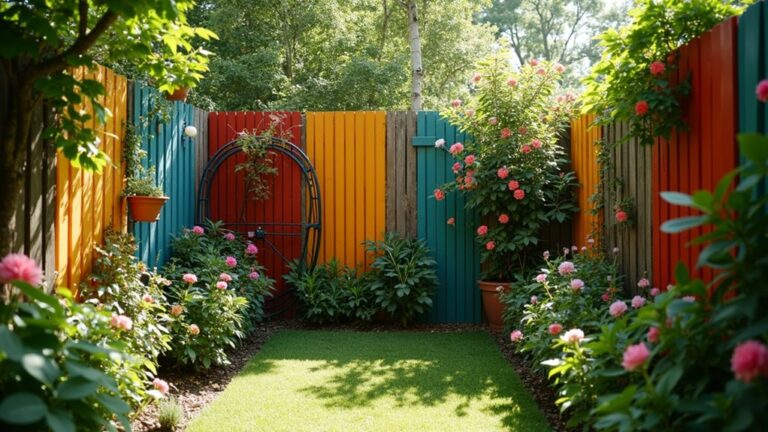
- Customization: Personalize with paint or different slat spacing to make your fence a standout feature.
These strategies not only beautify your space but also add charm, making your property more inviting.
Community and Personal Satisfaction From DIY Projects

Community DIY projects, like building fences for community gardens, provide a sense of satisfaction through shared experiences.
Working together not only strengthens bonds but also gives you a feeling of personal achievement. By collaborating on fencing, you lower costs and create a secure space for growing food.
This shared effort fosters connections, which can boost everyone’s mental and physical well-being. As you interact with others, you build lasting relationships that benefit the whole community.
Ultimately, these projects let you see the results of your hard work, reinforcing the joy of coming together to create a thriving garden.
Frequently Asked Questions
What Types of Natural Materials Are Best for DIY Fencing?
For DIY fencing, bamboo is a great choice due to its strength and lightweight nature. Reclaimed wood is another excellent option, providing a sustainable and rustic look. Both materials offer distinct advantages and fit well into any natural setting.
How Can I Ensure My Fence Complies With Local Regulations?
To ensure your fence meets local regulations, start by checking zoning laws in your area. This often includes height limits and setback requirements. Don’t forget to apply for any necessary permits. Keep records of your research and permits to prevent future disputes or fines. For example, if your town allows fences up to 6 feet but requires a 3-foot setback from the property line, make sure your plans reflect that. Being proactive will save you headaches later on.
What Tools Do I Need for a DIY Fencing Project?
For your DIY fencing project, gather a hammer, shovel, and level. Don’t overlook a power drill for tight spots. A reliable tape measure is essential—I’ve learned the hard way how important accuracy is!
How Do I Choose the Right Design for My Property?
To choose the right design for your property, think about how it fits with your home and yard. For example, a modern fence can enhance a contemporary house, while a rustic gate suits a country-style home. Make sure the design reflects your style and serves practical purposes like privacy and security. Aim for a balance between looks and functionality.
Can I Incorporate Plants Into My Natural Fencing Design?
Yes, you can definitely use plants in your natural fencing design. Choosing the right species will not only improve your yard’s appearance but also provide privacy. For example, tall shrubs or climbing vines can create a green barrier that blends well with your landscape.
Conclusion
A DIY natural fencing project can be a rewarding experience. You’ll save money and have the freedom to customize your design. However, be ready to put in some time and effort. Just like your grandparents used to build fences using materials from their surroundings, you can create a unique fence that enhances your outdoor space. Remember, the process of building can be just as satisfying as the final product.