
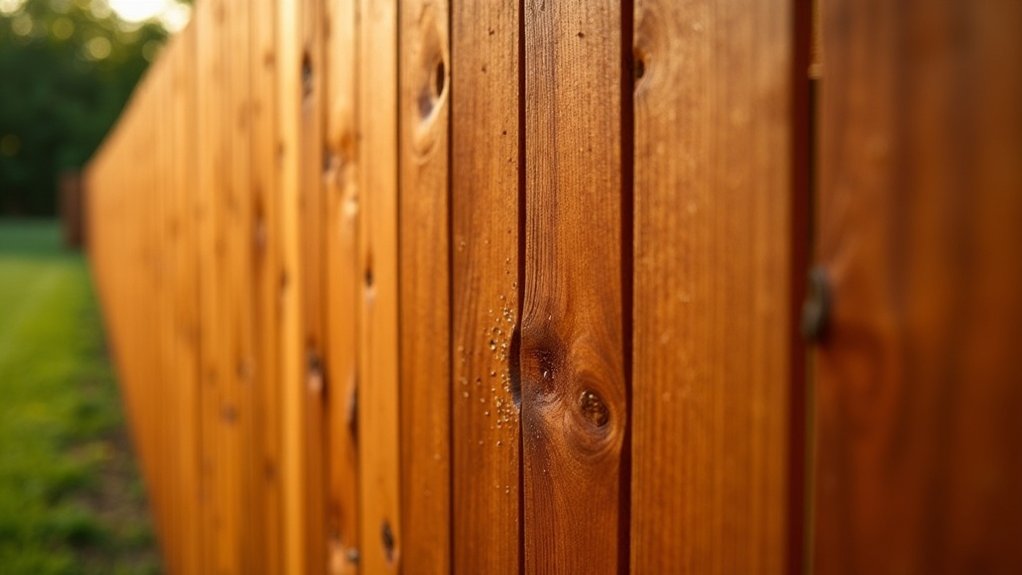
Cedar wood is an excellent choice for durable fencing, lasting 15 to 30 years or more with proper care. Its natural resistance to pests and decay means less maintenance for you. Just regular inspections and occasional treatments are needed. Plus, cedar adds beauty to your property with its warm tones and unique grain. It’s also eco-friendly, making it a great sustainable option. If you’re planning a fence, consider how cedar stacks up against other materials.
Key Takeaways
Cedar fencing can last 15 to 30 years, and with proper care, it can even exceed 30 years. Its natural resistance to pests and decay means less maintenance and greater durability. Regular upkeep, like cleaning and sealing, keeps the fence looking good over time. Plus, cedar’s rich colors and unique grain enhance the beauty and value of any property. It’s also eco-friendly—requiring no harmful treatments and supporting sustainable forestry practices.
Longevity and Durability of Cedar Fencing

Choosing cedar fencing means investing in a durable material that can last 15 to 30 years with proper care. Treated and sealed cedar is especially long-lasting. Regular maintenance, like staining and sealing, helps protect it from the elements. Good installation is key too; keeping the wood off the ground reduces the risk of rot. Average lifespan of well-maintained cedar fences can even exceed 30 years, making it a wise investment for homeowners. Quality materials play a crucial role in enhancing the durability of the fencing. Western red cedar, known for its natural oils, typically outlasts alternatives like pine or spruce.
Natural Resistance to Pests and Decay

Cedar wood is naturally resistant to pests and decay thanks to its aromatic oils. Choosing cedar for your fencing helps repel pests like termites and carpenter ants, which means less risk of damage. This durability makes cedar a smart and sustainable choice for lasting fencing. With a lifespan ranging from 15 to 40 years with proper maintenance, cedar also offers exceptional durability that enhances its value over time. Additionally, cedar’s natural resistance to rot ensures that it remains a reliable option for various climates throughout its lifespan.
Aromatic Oil Benefits
Cedar wood is incredibly durable thanks to its aromatic oils, which naturally protect it from pests and decay. These oils, rich in compounds like cedrol and α-cedrene, help prevent rot even in wet conditions. Their slow-release nature ensures long-lasting protection, keeping your fence strong against environmental challenges. Plus, the pleasant aroma of cedar creates an unwelcoming environment for harmful organisms, reducing reliance on chemical treatments. Choosing cedar means opting for a sustainable, eco-friendly solution that not only lasts but also enhances the beauty of your outdoor space. Additionally, the oil yield from cedar raw materials is 1-6%, which contributes to its effectiveness and sustainability.
Insect Damage Resistance
Cedar wood is a top choice for resisting pests and decay. Its natural oils and compounds deter insects like termites and beetles, making it less appealing to them.
Even in heavy rain, these oils keep working, helping to keep pests away. Unlike untreated woods, cedar’s moisture resistance prevents fungal decay, allowing it to last longer.
With proper care, a cedar fence can last up to 40 years—much longer than many other materials. Choosing cedar not only enhances your space but also provides a durable, eco-friendly barrier against insect damage. Additionally, proper drainage systems are critical in minimizing moisture levels and preventing rot, ensuring the longevity of your cedar fence.
Maintenance Requirements for Cedar Fences

To keep your cedar fence strong and attractive, regular maintenance is essential. Here’s a straightforward guide:
- Inspection: Check your fence twice a year for cracks, rot, and pests. Use a screwdriver to test the wood’s hardness near the ground.
- Cleaning: Clean your fence once a year with a pressure washer on a low setting or a soft brush. Avoid harsh chemicals, and let it dry completely before applying any treatments.
- Staining: Reapply stain or sealant every 3-5 years to protect against sun and moisture. If you notice fading, re-stain sooner.
With consistent care, your cedar fence can last for many years while looking great.
Aesthetic Appeal of Cedar Wood

Cedar wood is an excellent choice for fencing, captivating homeowners with its natural warmth and rich colors. It ranges from reddish-brown to golden amber, providing a beautiful backdrop for any yard.
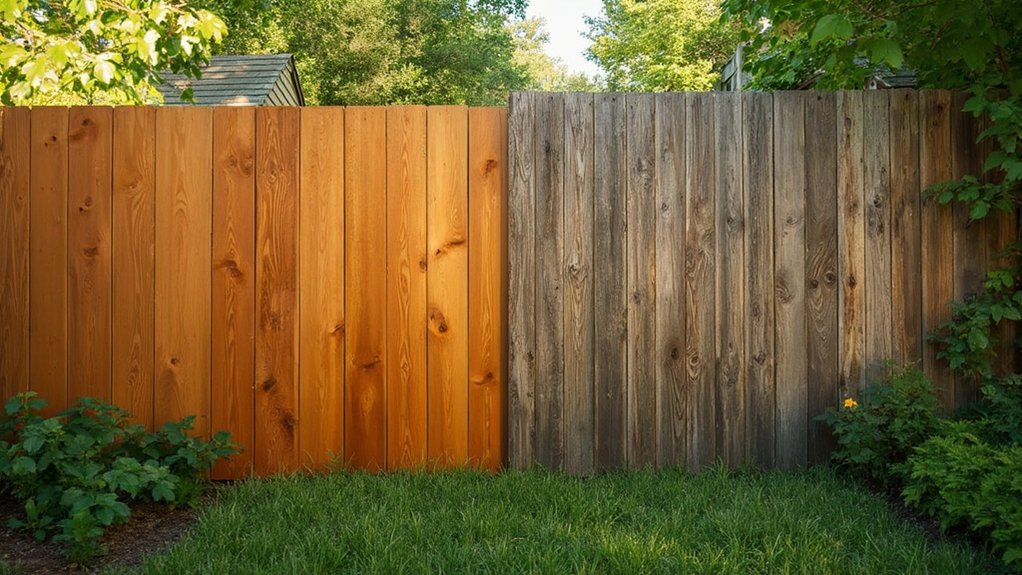
Over time, cedar develops a charming silvery-gray patina that enhances its appeal. Each fence showcases unique grain patterns, including knots and swirls, ensuring that no two are alike.
Cedar easily adapts to various styles—whether you want a classic picket fence, sleek horizontal slats, or solid privacy panels. This versatility not only beautifies your property but also boosts its curb appeal.
Cost Considerations for Cedar Fencing

When considering a cedar fence, it’s important to look at both upfront and long-term costs:
- Material Costs: Cedar typically ranges from $8.50 to $16.50 per linear foot. Higher quality options can cost more.
- Labor Expenses: Expect labor costs to add $10 to $30 per linear foot, depending on the contractor and the project’s complexity.
- Maintenance Costs: You’ll need to stain or seal the fence every 2 to 5 years, which adds to ongoing expenses.
While cedar may have higher initial costs compared to options like treated pine, its durability and beauty often make it a worthwhile investment for your fencing needs.
Environmental and Installation Factors

When installing cedar fencing, it’s crucial to consider how the climate affects the wood’s durability.
Use proper installation techniques to ensure stability against environmental challenges.
Managing soil moisture can also extend your fence’s lifespan, so keep these factors in mind for a successful setup.
Climate Impact on Longevity
Climate plays a crucial role in the longevity of cedar wood fencing. Here are three key factors to consider:
- Moisture Levels: In humid areas, use wood treatments to prevent decay and fungi.
- UV Exposure: Apply UV-resistant finishes to protect against sun damage and maintain color.
- Temperature Fluctuations: In regions with freeze-thaw cycles, check for cracks or warping regularly to catch issues early.
Installation Techniques for Stability
To ensure your cedar wood fencing lasts, it’s crucial to use effective installation techniques.
Start with post spacing of 6 to 8 feet for stability. Use measuring wheels or stakes for precise placement, which helps reduce wind stress. Bury posts at least one-third of their length and consider using concrete for extra support.
Remember to brace posts temporarily while the concrete sets to keep them aligned. Also, avoid letting the wood touch the soil to prevent rot; keep panels at least two inches off the ground.
Soil Moisture Management Strategies
Proper soil moisture management is crucial for preserving your cedar wood fencing.
Here are three effective strategies:
- Soil Grading: Ensure the soil slopes away from your fence to prevent water from pooling around the posts.
- Ground Clearance: Maintain a 2-3 inch gap between the cedar boards and the soil to reduce moisture wicking.
- Vegetation Management: Trim plants and debris near the fence to enhance airflow and decrease moisture retention.
These simple steps will help protect your fence from decay and extend its lifespan.
Benefits of Proper Maintenance

Maintaining your cedar fence is key to its longevity and appearance. Schedule annual cleanings and inspections to prevent mold and dirt buildup.
Use soft-bristle brushes and mild detergents to keep the wood’s natural oils intact. Refinish every two to three years and apply UV-blocking sealers to protect against sun and moisture damage.
Regular inspections help catch early signs of rot or pests, allowing for quick repairs. This proactive maintenance saves you money in the long run and supports eco-friendly practices.
Comparing Cedar to Other Fencing Materials

Cedar fencing is a top choice for its durability, beauty, and eco-friendliness.
Here are some key comparisons to consider:
- Longevity: Cedar can last up to 40 years with proper care, while pressure-treated pine typically lasts 15-25 years.
- Cost-Effectiveness: Although cedar costs more upfront ($20-$35 per linear foot), its long lifespan and lower maintenance can make it more economical than cheaper pine.
- Environmental Impact: Cedar doesn’t need harmful treatments, making it a safer and sustainable option. Responsibly sourced cedar also helps address environmental issues.
In short, choosing cedar is a smart investment in a durable, attractive, and eco-friendly fence.
Frequently Asked Questions
Can Cedar Fencing Withstand Extreme Weather Conditions?
Yes, cedar fencing is built to withstand extreme weather. Its natural resistance helps it resist rot and decay, even in harsh temperatures. With regular maintenance, such as sealing and staining, you can ensure it lasts longer in tough climates.
Is Cedar Wood Sustainable and Eco-Friendly?
Yes, cedar wood is sustainable and eco-friendly. It comes from renewable sources and has a low environmental impact. By choosing cedar, you help support practices that lower greenhouse gas emissions and promote healthier forests, which is beneficial for tackling climate change.
How Does Cedar Fencing Compare to Vinyl Fencing?
Cedar fencing is a budget-friendly option, often costing less than a cup of coffee. While vinyl fencing requires little maintenance, cedar can save you money over time if you stay on top of its upkeep—just remember to stain it regularly!
What Are the Best Finishes for Cedar Wood?
The top finishes for cedar wood are oil-based and water-based stains, which provide both protection and a beautiful look. To keep your cedar looking great, regularly apply semi-transparent stains. Always ensure good ventilation during the application for the best results.
Can Cedar Wood Be Painted or Stained Over Time?
Yes, you can paint or stain cedar wood over time. To achieve the best results, follow maintenance tips and select colors that highlight cedar’s natural beauty while ensuring long-lasting protection.
Conclusion
Choosing cedar wood for your fencing is a smart decision. Its durability and natural resistance to pests set it apart from other materials. Unlike ordinary wood, cedar combines beauty and longevity, ensuring your fence not only looks great but lasts for years. With basic maintenance, you can have a fence that enhances your property without the worry of frequent repairs. Why choose anything less when cedar is such a strong option for your fencing needs?
Find out which fencing option offers superior longevity and durability, and discover how your choice can impact maintenance and costs Read more

Uncover the ideal wood types for fencing that match your style and environment—each option holds secrets to durability and beauty Read more

Unlock the secrets to crafting a stunning DIY wooden fence with our step-by-step guide—your backyard transformation awaits!


