

When building a fence, use pressure-treated timber for its durability and resistance to decay, pests, and moisture. It’s perfect for outdoor settings, especially in humid areas. This type of wood can last over 20 years with proper care, making it a smart choice for regions prone to insect problems. Regular maintenance like staining and sealing is key to extending its lifespan. Explore tips and considerations for the best results.
Key Takeaways
- Use pressure-treated timber for fencing in wet climates to prevent decay.
- Choose treated wood in areas with pest problems for extra protection against insects.
- Opt for treated timber for long-lasting projects, as it can last over 20 years with proper care.
- If you’re on a budget, pressure-treated wood is a cost-effective choice, though it does require maintenance.
- Install treated wood fencing in places where you can easily inspect it for damage and ensure it lasts.
Understanding Pressure-Treated Wood

When choosing pressure-treated wood for your fence, you’re opting for a material built to handle outdoor challenges. This wood is treated with chemical preservatives that boost its resistance to decay, insects, and moisture. Modern treatments like Alkaline Copper Quat and Micronized Copper Azole offer solid protection while being eco-friendlier. The treatment level varies based on how the wood will be used, with stronger treatments for wood in direct ground contact. Pressure-treated wood is known for its enhanced lifespan, making it an ideal choice for outdoor applications. You might notice a greenish or brownish tint to the wood due to the treatment. Knowing about these options helps you pick the right wood for a durable, long-lasting fence.
Advantages of Pressure-Treated Timber for Fencing

Choosing pressure-treated timber for your fence is a wise investment. This wood is built to last, resisting decay, rot, and pests due to special chemicals that protect it from moisture and the elements. With proper maintenance, your fence can easily last over 20 years, making it a practical choice for any property. Additionally, its durability and versatility make it an ideal option for various fencing styles and designs. PVC fences can last over 50 years, offering a long-term solution for fencing needs.
Enhanced Durability and Longevity
When it comes to fencing, pressure-treated timber stands out for its durability and longevity.
With a lifespan of 15-20 years, it significantly outlasts untreated wood, which generally lasts less than 10 years. The pressure treatment process infuses preservatives into the wood, protecting it from decay and maintaining its strength, so it won’t become brittle or crack easily. This uniform strength ensures that your fence can withstand harsh weather conditions. Additionally, utilizing proper drainage systems will further enhance the longevity of your fence. Plus, you’ll spend less time and money on maintenance like sealing or repainting. Additionally, while pressure-treated wood is a good option, consider that vinyl fences last approximately 50 years, offering even longer durability.
Pest and Moisture Resistance
Pressure-treated timber is a durable and effective choice for fencing due to its excellent pest and moisture resistance. The wood is infused with chemical preservatives that deter termites and prevent wood-boring insects, ensuring your fence stays intact.
With treatments like alkaline copper quaternary (ACQ), you don’t have to worry about harmful residues. This type of wood also resists fungal decay and moisture, which helps prevent rot and extends the life of your fence, even in wet conditions.
Its moisture resistance reduces the chances of warping and cracking, keeping your fence strong. Overall, pressure-treated timber is a cost-effective solution for a long-lasting fence that requires less maintenance. Additionally, regular maintenance, including reapplication of treatments, is essential to ensure ongoing protection against the elements.
Key Considerations for Outdoor Use

When choosing pressure-treated timber for fencing, consider these essential points to ensure optimal performance outdoors.
First, check local fencing regulations to ensure compliance.
Next, think about the design; pressure-treated wood can be stained or painted to match your property’s style.
Lastly, take into account your area’s climate, as this wood is built to resist moisture, humidity, and UV rays.
- Durability: With proper care, expect your fence to last 20 to 40 years.
- Versatility: Works well for various styles and can be used in direct ground contact.
- Cost-Effectiveness: Higher initial costs are offset by its long lifespan.
These considerations will help you make smart choices for your fencing project.
Maintenance Requirements for Longevity

To maintain your pressure-treated timber fence, follow a simple routine: stain, clean, and inspect regularly.
Staining protects against moisture and UV damage, while cleaning removes mold and dirt that can weaken the wood.
Regular Staining Intervals
Regularly staining your pressure-treated timber fence is crucial for its durability and appearance.
Stain every 2 to 3 years for optimal protection, though some woods may last 3 to 5 years.
Consider these benefits of regular staining:
- Prevent Damage: Staining protects against rot, mold, and UV rays.
- Keep It Attractive: Regular maintenance helps your fence look fresh and vibrant.
- Prolong Lifespan: Consistent upkeep can significantly extend your fence’s life.
Neglecting staining can lead to discoloration and deterioration.
Cleaning for Longevity
To keep your pressure-treated wood fence looking good and lasting long, regular cleaning is essential. Use a soft brush for light dirt removal, and for stubborn stains or mildew, mix mild dish soap with water.
Steer clear of high-pressure washers, as they can harm the wood. If you spot moss or mildew, treat it with a solution of 20% bleach and 80% mild detergent, letting it sit for an hour before rinsing.
Aim to clean your fence every two to three years, ensuring it dries afterward. To prevent mildew, consider adding mildewcide to your cleaning solution, and keep plants away from the fence to improve airflow and reduce moisture.
Inspecting for Damage
Inspecting Your Pressure-Treated Wood Fence
After cleaning your pressure-treated wood fence, it’s crucial to check for damage that could shorten its lifespan. Regular inspections help you catch issues early and save on repairs.
Look for these common signs of damage:
- Cracks or splits in the wood that may worsen over time.
- Loose screws or nails that make the fence unstable.
- Moisture damage, like mold or soft spots.
Inspect your fence every few months, especially after heavy rain or storms.
Comparing Pressure-Treated Wood to Other Fencing Materials

When comparing pressure-treated wood to other fencing materials, cost and durability are key factors.
Pressure-treated wood is one of the most affordable options upfront, especially when compared to cedar and vinyl. Cedar is beautiful and durable, but its higher price may be balanced by lower maintenance costs.
Vinyl, while more expensive initially, is nearly maintenance-free and very durable. On the other hand, untreated woods like pine may need more care and have shorter lifespans.
Aesthetically, pressure-treated wood can be stained or painted for customization, but it doesn’t have the natural charm of cedar or the low-maintenance appeal of vinyl.
Weigh these factors to choose the best option for your fencing project.
Pest and Decay Resistance Benefits

Pressure-treated timber is a smart choice for fencing due to its strong resistance to pests and decay. The wood is treated with chemical preservatives that create a protective barrier against termites and wood-boring insects.
Here are the main benefits:
- Pest Protection: Keeps termites and insects at bay.
- Longevity: Lasts 2-3 times longer than untreated wood.
- Moisture Resistance: Safe for use in damp areas without quick deterioration.
Regularly sealing your fence will help maintain these advantages.
Cost-Effectiveness and Budgeting for Fencing

When selecting fencing materials, it’s essential to balance initial costs with long-term expenses.
Pressure-treated timber is affordable upfront, making it suitable for tight budgets and larger areas. However, remember to factor in ongoing maintenance, such as staining and sealing every 3-5 years. Skipping these can lead to costly repairs down the line.
While pressure-treated wood can save money initially, composite materials often last longer and may be more cost-effective in the long run.
Think carefully about both immediate affordability and future upkeep to ensure your fencing choice meets both your budget and project needs.
Environmental and Safety Concerns

Pressure-treated timber is durable and resistant to decay, but it comes with environmental and safety concerns. Chemicals from treated wood can leach into soil and water, harming plants and aquatic life. Even small amounts can build up over time if the wood isn’t handled correctly.
Key points to consider:
- Older preservatives like creosote are toxic and can increase health risks during handling.
- Newer treatments are safer, but you should still wear protective gear to avoid skin contact and inhalation.
- Disposing of treated wood in landfills can cause long-term environmental issues if chemicals seep into groundwater.
Understanding these concerns will help you make better choices about using pressure-treated timber.
Ideal Locations for Pressure-Treated Fencing

When choosing pressure-treated fencing, look for moist climates and wetlands where wood tends to rot.
These fences are also great in areas with pest problems, as they resist termites and other wood-eating insects.
Plus, if your location gets a lot of sun, pressure treatment helps protect against UV damage, extending the life of your fence.
Moist Climates and Wetlands
Moist climates and wetlands pose specific challenges for fencing due to high humidity and waterlogged soil.
Pressure-treated timber is an excellent choice for these conditions because it’s durable and resistant to rot.
- It prevents decay from moisture and mold growth.
- It handles standing water better than untreated wood.
- It maintains its strength even in harsh, wet environments.
In short, pressure-treated wood is the smart option for fencing in wet areas.
Pest-Infested Regions
Fencing in pest-infested regions requires a smart approach to ensure it lasts. In areas like the Southern U.S. and coastal regions, pests like termites and carpenter ants can be a big problem.
Using pressure-treated timber is key; it helps keep wood-eating insects away and fights fungal growth. Regular inspections and maintenance are crucial to spot any pest activity early.
Learn to identify harmful pests versus harmless ones for timely action. By following these steps, your fence can better withstand local pest challenges, saving you money on repairs and extending its life.
High UV Exposure Areas
In high UV exposure areas, using pressure-treated timber for your fencing is essential for durability. Untreated wood can quickly deteriorate, losing both color and strength. Pressure-treated wood resists moisture and insects, making it a smart choice.
- Arid climates: Prevents cracking and fading.
- Coastal regions: Resists damage from salt.
- High-altitude areas: Protects against rapid fiber breakdown.
To keep your fence looking good, apply UV-blocking stains or finishes.
Regular maintenance, including inspections and resealing every few years, ensures your fence stays functional and attractive, boosting your property’s appeal.
Installation Tips for Pressure-Treated Timber

When installing pressure-treated timber for a fence, preparation and technique are key for durability. First, choose posts rated for ground contact and dig postholes at least one-third the length of the posts deep, usually 2 to 3 feet. Set the posts in concrete, ensuring they’re straight with a spirit level. Smooth the top of the concrete to prevent water pooling, and let it cure completely before proceeding.
Next, position the rails at even heights, using galvanized fasteners to resist corrosion. If you’re installing panel fences, lift the panels between posts and shim them for level alignment.
Regularly check that everything is vertical to ensure a stable fence. Following these steps will help you build a strong and attractive fence that stands the test of time.
Signs of Deterioration and When to Replace

Even though pressure-treated timber is built to last, it can still deteriorate over time.
It’s important to spot these signs to know when to replace your fence:
- Feel for soft or spongy wood that crumbles when pressed.
- Look for dark spots or mold on the wood.
- Check for leaning or sagging panels and posts.
If you notice any of these issues, assess whether a replacement is needed.
Extensive rot or damage can weaken the structure, so don’t ignore minor problems—they can escalate quickly.
Taking action now will keep your fence secure.
Using pressure-treated timber with a sealant can also help extend its life and prevent future issues.
Best Practices for Caring for Your Pressure-Treated Fence

Caring for your pressure-treated fence is key to its longevity. Clean it once a year with mild detergent and a soft brush to remove dirt and mildew, then rinse gently.
Check for cracks or loose nails, particularly at joints, to spot problems early. Every 2–3 years, apply a water-repellent sealant to protect against moisture and UV damage, especially on areas exposed to the elements.
Keep the fence looking good by trimming back nearby plants for proper airflow. Finally, watch for pests and treat any infestations quickly.
Following these steps will help keep your fence durable and visually appealing.
Frequently Asked Questions
How Does Pressure-Treated Wood Compare to Vinyl Fencing?
When comparing pressure-treated wood to vinyl fencing, focus on cost and durability. Pressure-treated wood is cheaper initially but needs regular maintenance. In contrast, vinyl costs more upfront but lasts longer, requires less upkeep, and withstands weather better. Overall, vinyl can save you money in the long run.
Can I Paint Pressure-Treated Wood Immediately After Installation?
Avoid painting pressure-treated wood right after installation. It needs time to cure, and painting too soon can cause adhesion problems. Wait about three to six months for the best results before applying paint.
Is Pressure-Treated Wood Safe for Vegetable Garden Fencing?
Pressure-treated wood isn’t ideal for vegetable garden fencing because it may leach harmful chemicals. Instead, opt for safer alternatives like cedar or composite lumber. These options are durable and won’t pose risks to your plants.
What Are the Environmental Impacts of Pressure-Treated Wood Disposal?
Disposing of pressure-treated wood can harm the environment due to chemical leaching into soil and groundwater. To minimize these impacts, consider recycling options for treated wood. This not only helps reduce pollution but also promotes safer and more sustainable waste management practices.
How Can I Tell if Wood Is Pressure-Treated?
To identify pressure-treated wood, check for manufacturer stamps that show it has been treated with preservation chemicals. Look for a greenish or brown tint, small surface incisions, and a rough texture. These signs confirm that the wood is pressure-treated and offers added protection.
Conclusion
Pressure-treated timber is a durable option for fencing that can withstand harsh weather conditions, such as heavy rain and intense sunlight. By using this material, you’re not just constructing a fence; you’re creating a long-lasting barrier that resists decay. With proper maintenance, your fence can remain attractive and functional for many years. Choose pressure-treated timber for a reliable and effective fencing solution that combines strength and longevity.
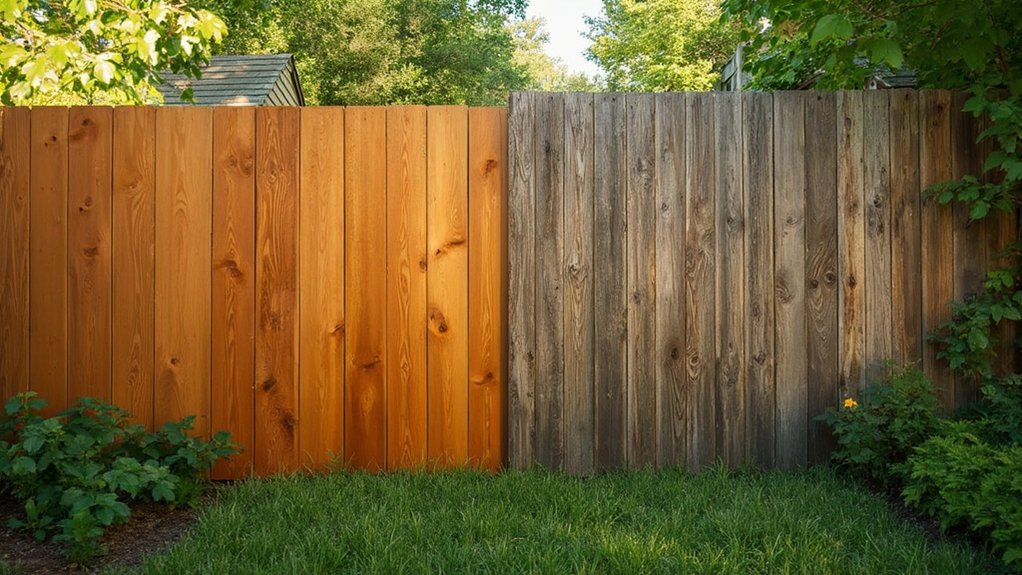
Find out which fencing option offers superior longevity and durability, and discover how your choice can impact maintenance and costs Read more

Uncover the ideal wood types for fencing that match your style and environment—each option holds secrets to durability and beauty Read more

Unlock the secrets to crafting a stunning DIY wooden fence with our step-by-step guide—your backyard transformation awaits!


