

For seasonal needs, temporary farm fencing provides flexible options. Electric fencing is great for rotational grazing, while wire fencing, like barbed or poultry netting, ensures security. Step-in posts and lightweight netting make setup quick and easy. Choose durable materials like galvanized steel to withstand pests and weather. Regular checks and maintenance boost performance and lifespan. If you have different types of livestock, pick the right fencing for effective containment. There’s plenty to learn about optimizing your fencing choices.
Key Takeaways
- Electric fencing is a great choice for rotational grazing, as it keeps livestock in with mild shocks.
- Lightweight options like step-in posts and net fencing are easy to set up and can be moved quickly to adapt to seasonal changes.
- Wire fencing, such as barbed and poultry netting, is durable and protects against pests while being simple to install and maintain.
- Regular checks and maintenance can lengthen the life of temporary fencing by 40%, saving you money in the long run.
- Choosing the right material, like high-tensile wire for cattle or woven wire for sheep, ensures your livestock stays safe and contained.
Understanding the Types of Temporary Farm Fencing

When managing livestock, knowing the types of temporary farm fencing can improve your efficiency.
Electric fencing delivers a mild shock, making it ideal for rotational grazing. Wire options, like barbed or poultry netting, offer flexibility for different security needs.
Choosing the right posts—either plastic step-in or metal pigtail—is crucial for easy setup and durability. These designs allow for quick installation and mobility, so you can adjust your fencing based on seasonal needs.
Additionally, effective fencing is crucial for keeping livestock safe from predators and ensuring safety; selecting the right type helps you manage your livestock effectively and maintain strong boundaries.
Exploring Materials Used in Temporary Fencing

Temporary fencing is crucial for managing livestock effectively. Wooden fencing, especially pressure-treated pine posts, is strong and can last up to 30 years with proper care. However, it requires regular maintenance to avoid rot and cracking. Additionally, selecting the right fencing material is essential for optimal livestock management. On the other hand, plastic posts made from heavy-duty, UV-resistant polymer are great for temporary setups, lasting 3-5 years. They’re lightweight, easy to install, and come with built-in treads for easy ground insertion and pre-molded loops for wiring. For semi-permanent solutions, fiberglass rods are an option, but they aren’t as convenient for frequent moves. Choosing the right material for your temporary fencing ensures effective livestock containment and management throughout the season.
Advantages of Wire Fencing for Seasonal Use

When it comes to seasonal fencing, wire fencing is an excellent choice. It’s durable and provides a strong barrier against pests, thanks to its galvanized steel construction that resists rot and decay. Selecting the right fence is crucial for protecting your crops, as the effectiveness of wire fencing against small to medium-sized animals ensures successful harvests. Additionally, using chain link fencing can enhance visibility and security around your agricultural areas.
Installing wire fencing is straightforward and adaptable for various agricultural needs, whether for protecting crops or keeping livestock contained. You can choose different mesh sizes to block animals like rabbits and deer effectively.
With regular maintenance, wire fencing lasts longer and saves you money over time. Overall, wire fencing offers the flexibility and reliability needed for seasonal agricultural use.
The Role of Electric Fencing in Livestock Management

Electric fencing is vital for efficient livestock management. It keeps animals contained and safe by teaching them to respect boundaries with gentle shocks. This reduces escapes and fence damage, while also improving animal behavior.
Using electric fencing makes it easy to manage grazing areas effectively. For example, you can implement rotational grazing to prevent overgrazing and help pastures recover. Moreover, it acts as a barrier against predators, ensuring the safety of your livestock.
With lower installation and maintenance costs, electric fencing is a budget-friendly option for seasonal fencing needs, making it a smart choice for farmers.
Lightweight Options: Step-in and Net Fencing

For quick and effective fencing, lightweight options like step-in posts and net fencing are ideal.
They set up easily, allowing you to create temporary paddocks fast, and their portability makes it simple to reposition as your livestock needs change.
This makes them perfect for seasonal farming and rotational grazing.
Easy Setup Process
Setting up temporary fencing is simple with lightweight options like step-in posts and net fencing.
To get started, mark your fence line and place step-in posts every 8 to 12 feet. Next, unroll the net fencing along the posts and secure it with the built-in hooks or cable ties.
This setup is quick and reduces physical effort, making it perfect for seasonal use. With easy handling, you can adjust your fencing without hassle, ensuring it’s effective and straightforward to install.
Portability and Flexibility
Portability and flexibility are major benefits of lightweight fencing options, making them perfect for temporary agricultural use.
Here are some key features to consider:
- Step-in posts: Easy to place and move without digging.
- Electric netting: Lightweight and effective for containing small livestock.
- Portable fence panels: Available in plastic or vinyl, making transport simple.
- Polywire: Flexible and lightweight for lighter animals, though not very durable.
- Net fencing rolls: Quick to unroll or pack, ideal for rotational grazing.
These options not only cut down on labor costs and fatigue but also provide effective fencing solutions tailored to your needs.
Evaluating Temporary Panel Fencing Solutions

When looking at temporary panel fencing, weigh the cost against how often you can reuse them.
These panels are versatile for tasks like sorting animals or rotating grazing areas. They’re also easy to install, allowing you to quickly set up or move fencing to fit your farm’s needs.
Cost-Effectiveness Analysis
When evaluating the cost-effectiveness of temporary panel fencing, consider material costs, installation, and maintenance. Here’s a quick breakdown:
- Basic costs range from $3 to $7 per linear foot.
- Renting is best for short-term needs, while buying suits long-term projects.
- Installation costs vary based on the terrain and equipment needed.
- Regular maintenance can extend the fence’s lifespan by up to 40%, saving on replacement costs.
- Modular systems are flexible and help reduce waste.
- Understanding these factors can help you make informed decisions and maximize the benefits of temporary fencing solutions.
Understanding these factors can help you make informed decisions and maximize the benefits of temporary fencing.
Versatility for Livestock
Temporary panel fencing for livestock is highly versatile, making it suitable for various animals like cattle, goats, and horses.
The mesh sizes are designed to keep smaller animals from escaping, while the sturdy construction ensures safety, even for energetic livestock.
With heights of 48 to 60 inches, these panels consider different animal behaviors, reducing the risk of injuries from jumping or leaning.
Their lightweight and modular design allow for quick setup of pens or paddocks, promoting effective rotational grazing.
Plus, the smooth edges help prevent injuries, making this fencing a reliable choice for any farm.
Ease of Installation
Temporary panel fencing isn’t only versatile for different types of livestock but also easy to install. Here are the key factors that simplify the setup:
- Lightweight panels make for a quick and easy installation.
- Portable bases allow for fast repositioning on any surface.
- Basic tools like hammers and adjustable wrenches are all you need to assemble.
- Quick-connect clamps enhance stability and save time.
- Working in pairs speeds up the process, with one person holding panels while the other secures them.
These features ensure you can quickly adapt your fencing to meet changing needs, saving time and effort while keeping your panels stable.
Installation Tips for Effective Temporary Fencing

When setting up your temporary fencing, preparation is essential for effectiveness and durability. Start by sketching the fence line on paper, considering natural features for post placement.
Space your posts 4 to 6 feet apart, adjusting for stability based on your needs. Clear any vegetation for proper alignment. Firmly set the end posts first, then attach your fencing material.
Make sure to stretch it tightly and secure it with galvanized staples. Plan for gates and braces early to avoid complications later.
Following these straightforward steps will help you create a strong temporary fence that meets your needs.
Maintenance Considerations for Seasonal Fencing

To maintain your temporary fencing year-round, conduct regular inspections.
Look for loose connections and signs of wear; catching issues early can prevent expensive repairs.
Also, store your fencing properly during off-seasons to shield it from weather damage and prolong its life.
Routine Inspection Practices
Regularly inspecting your temporary farm fencing is crucial to keeping it strong and effective. Aim for at least two inspections a year, especially after harsh weather.
Here are key areas to focus on:
- Check if the posts are secure and stable.
- Look for cracks or loose rails and panels.
- Inspect wire for sagging or breaks.
- Ensure gates and latches are working properly.
- Clear away debris and check for moisture that can lead to decay.
Keep an inspection log to track your findings. This will help you plan repairs and stay on top of maintenance.
Proper Storage Techniques
Proper storage is key to extending the life of your temporary fencing materials. Choose a dry, well-ventilated area away from anything flammable. Use elevated racks to keep fencing off the ground and reduce moisture contact.
Organize your materials by grouping posts and wires, and label them for easy access. Coil wire fencing neatly to avoid tangles and inspect everything before storing—replace any damaged parts.
Cover your stored fencing with breathable tarps to keep dust and pests away. Lastly, check on your materials periodically to catch any damage early, ensuring they’re ready for use in the next season.
Choosing the Right Fencing for Different Livestock

Choosing the right fencing for your livestock is crucial for their safety and containment. Here’s a quick guide for different animals:
- Cattle: Use high-tensile or barbed wire, set at 4-5 feet high to keep them secure.
- Sheep: Opt for woven wire fencing with tight gaps, also 4-5 feet high, to prevent escapes.
- Goats: Strong woven wire is best; avoid barbed wire. Aim for 4-5 feet in height.
- Pigs: Sturdy wire or electric fencing works well, as height isn’t as critical since they’re not climbers.
- Poultry: Electric netting or small mesh wire is ideal for protecting against predators.
Understanding the behavior of your animals helps you select the right fencing for their needs.
Balancing Environmental and Cost Factors in Fencing Choices

When selecting fencing for your farm, it’s crucial to balance environmental impact with cost. Sustainable options can reduce your ecological footprint while keeping expenses in check.
| Fencing Type | Environmental Impact | Cost Effectiveness |
|---|---|---|
| Welded Mesh Fencing | Reusable, minimal waste | Durable, lower long-term costs |
| Lightweight Mesh | High waste, non-recyclable | Needs frequent replacements |
| Virtual Fencing | Little landscape change | High upfront cost, but saves money long-term at scale |
Opting for temporary fencing that considers wildlife can help minimize habitat disruption. Choosing durable, eco-friendly solutions not only benefits the environment but can also save you money over time.
Frequently Asked Questions
How Do I Choose the Best Fencing for My Specific Livestock?
To pick the right fencing for your livestock, start by understanding their size and needs. For larger animals like cattle or horses, go for strong options like woven wire. Smaller animals, such as goats or chickens, do better with tighter mesh to prevent escapes. Also, think about your local conditions—durable materials will last longer and save you money in the long run.
What Are the Safety Precautions When Installing Temporary Fencing?
When installing temporary fencing, prioritize safety by following these guidelines:
- Wear Personal Protective Equipment (PPE): Always use hard hats, gloves, and safety boots to protect yourself.
- Check for Underground Utilities: Before digging, ensure there are no buried cables or pipes to avoid accidents.
- Secure Posts Firmly: Make sure the posts are stable to prevent the fence from collapsing.
- Maintain Distance from Hazards: Keep a safe distance from power lines, traffic, and other potential dangers.
- Regular Inspections: Periodically check the fence to ensure it remains stable and safe to use.
Can Temporary Fencing Withstand Extreme Weather Conditions?
Yes, temporary fencing can handle extreme weather if you select durable materials. For instance, UV-resistant PVC and galvanized steel are great choices that resist moisture, wind, and temperature changes effectively.
How Can I Effectively Store Fencing Materials During the Off-Season?
Did you know that improper storage of fencing materials can cut their lifespan in half? To avoid damage, make sure to clean and dry your materials, then package them neatly in a secure area. For easy access, use labeled bins for seasonal storage.
What Permits Are Required for Installing Temporary Farm Fencing?
To install temporary farm fencing, you typically need building and zoning permits. Follow guidelines for height, materials, and location to ensure compliance. For example, if you’re using wire fencing, check local regulations to avoid fines and ensure you’re meeting all requirements.
Conclusion
When it comes to seasonal farming, choosing temporary fencing is crucial. Options like durable wire and electric fences can be tailored to your livestock’s needs. Think about the materials you use, how easy they are to install, and the maintenance involved. This way, you can ensure a safe environment for your animals while keeping costs in check and being mindful of the environment. Make informed decisions to help your farm thrive throughout the seasons.

In exploring the best temporary fencing options for construction sites, discover which solutions ensure security and compliance while enhancing site Read more
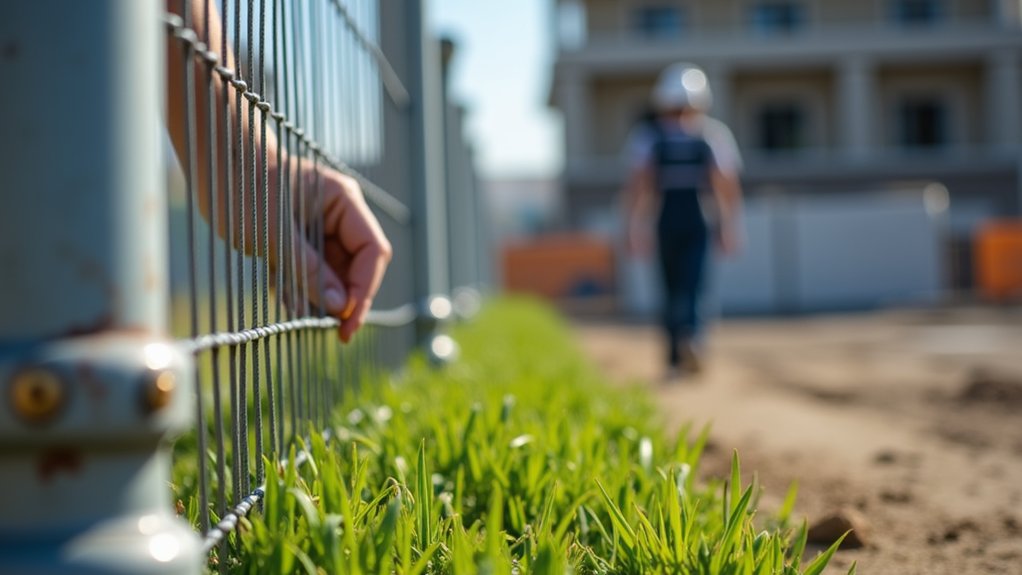
Learn essential tips for maintaining temporary fencing that can extend its lifespan and prevent costly repairs—discover the best practices for Read more

A guide to selecting lightweight temporary fencing that ensures easy transport and quick setup awaits, revealing options that perfectly suit Read more


