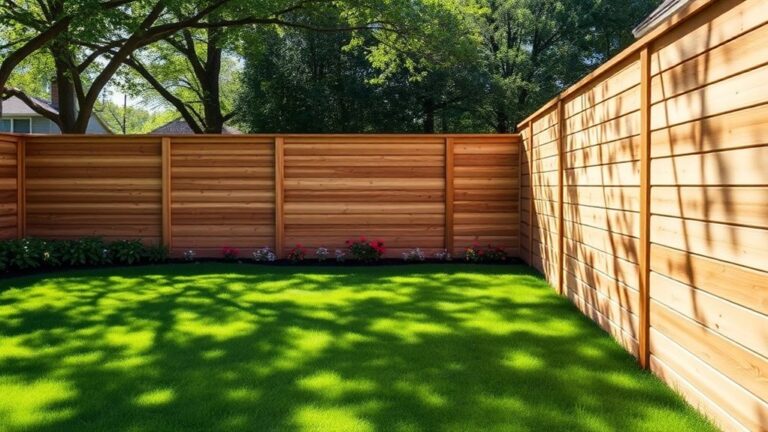
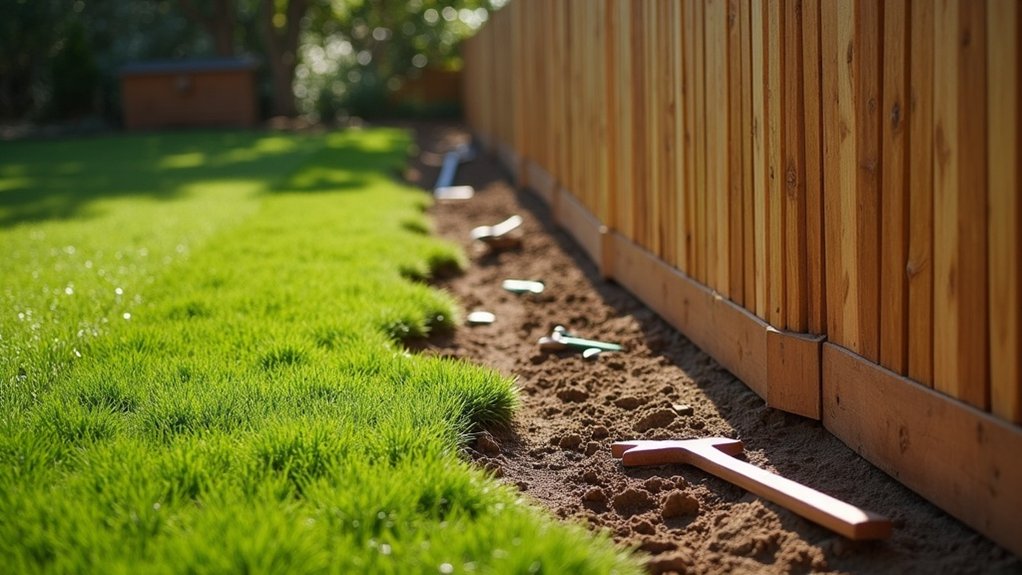
Installing curved fence lines enhances your outdoor space but comes with challenges. Accurate measurements and consistent post spacing are crucial for stability, especially on slopes. For gentle curves, use slight angles; tighter bends might need swivel mounts. Adjust to your terrain with proper grading techniques. With a mix of creativity and practical skills, you can achieve a beautiful design tailored to your area. Discover the advantages of curved fencing!
Key Takeaways
Curved fences improve the look of outdoor spaces by softening sharp edges and blending in with garden paths. To ensure a strong structure, it’s important to keep post spacing consistent and adjust for the curve’s radius. Adapting to the terrain, like grading and using stepped installations, helps maintain a smooth curve. Choosing durable materials, such as cedar wood, not only adds elegance but also offers privacy through thoughtful design. For precise curves and effective installation, accurate measurement techniques—like using string lines and flexible templates—are essential.
Understanding Curved Fence Installation Methods
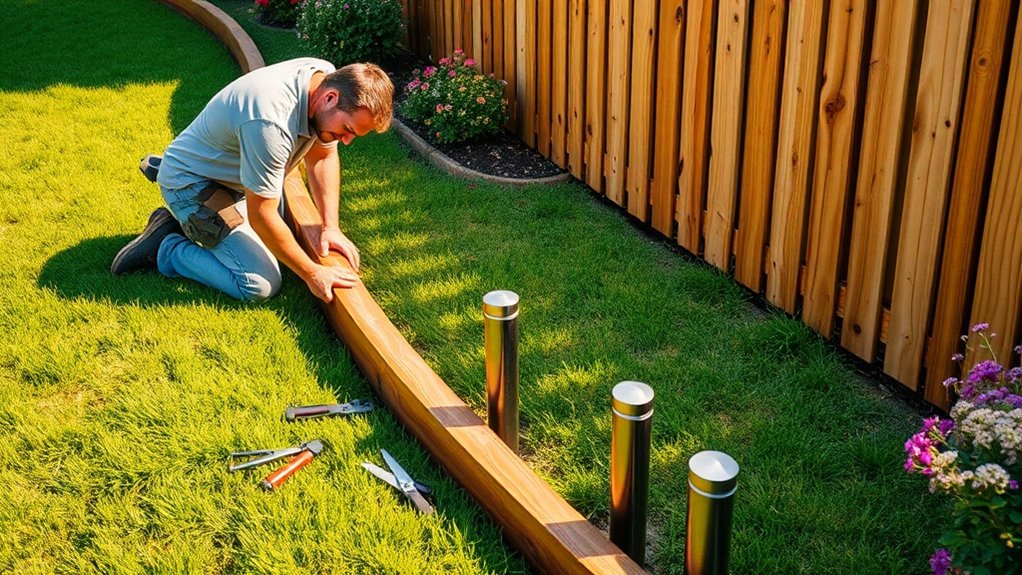
When installing a curved fence, it’s crucial to understand the best methods for a smooth finish. Use slight angles between fence panels on line or corner posts for gentle curves. For sharper bends, try mounting panels on a single post with horizontal swivel mounts to easily adjust angles on-site. Maintain consistent spacing between posts by following a full spacing chart, and use mason lines to mark precise post positions for accuracy. When attaching rails or pickets, ensure they’re aligned at the tops and bottoms for a cohesive look. By following these straightforward techniques, you can create a beautiful and sturdy curved fence. Additionally, measuring slope accurately before installation can help determine the best approach for your fence design on uneven ground. Consider the local regulations regarding fence height and design to ensure compliance and avoid future issues.
Overcoming Challenges in Curved Fence Lines
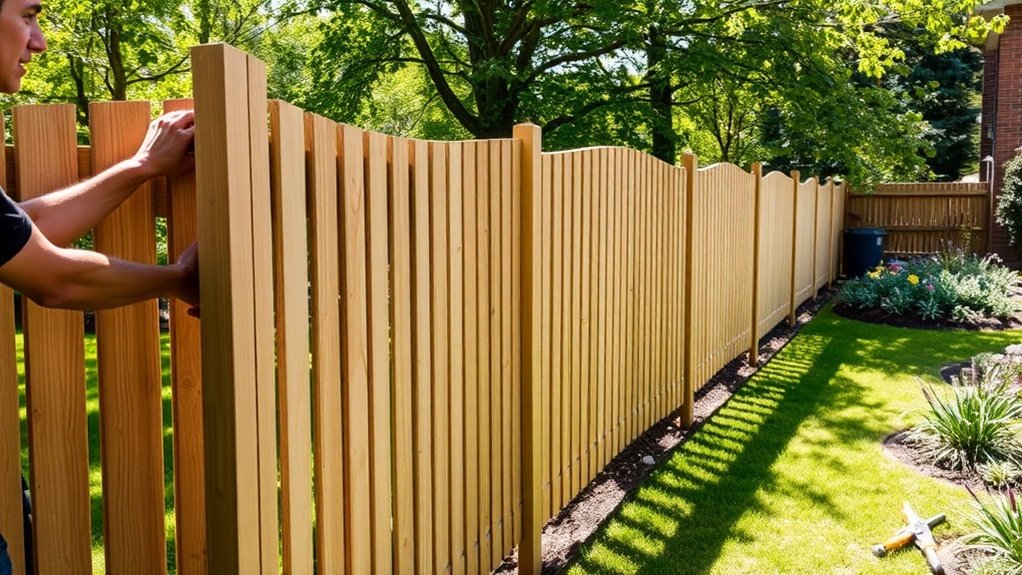
When building curved fence lines, focus on consistent post spacing and adjust for different terrain to ensure stability. For example, if you’re on a slope, reinforce posts for added strength. Planning your approach is key to creating a durable and visually appealing fence that enhances your landscape. Additionally, remember that curved areas can be accommodated by angling fencing sections to maintain the desired shape. It’s also important to assess the area for slopes and uneven ground to facilitate installation.
Post Spacing Consistency
Achieving consistent post spacing on curved fence lines can be challenging but is crucial for the fence’s appearance and stability. Adjust your post spacing based on the curve’s radius; as the curve tightens, reduce spacing from 12 feet to 8 feet. This adjustment helps prevent sagging and maintains tension for stability. Use a flexible template or string line to ensure equal angular spacing. Remember, tighter curves may require more posts, so plan your materials wisely to balance costs with durability. Proper techniques are essential for consistent spacing, ensuring a strong and visually appealing fence. Additionally, understanding factors influencing installation time can aid in planning your project effectively.
Terrain Adaptation Strategies
Curved fence lines can be tricky on uneven terrain. To ensure stability, use proper grading techniques and assess the slope carefully.
For steep slopes, stepped installations work best, while gentler inclines can use racked installations. Accurate measurements are crucial; adjust each post’s depth and spacing based on the terrain.
For tight curves, cut fence sections to keep a seamless look. Mark the arc on the ground to help with post placement.
Structural Reinforcement Needs
When designing a curved fence, it’s crucial to ensure it’s structurally sound due to challenges like uneven terrain.
Start with concrete footings at least 2 feet deep to prevent posts from shifting. Quick-setting concrete is ideal for quickly stabilizing the posts.
Use galvanized steel brackets for added strength against bending. Implement diagonal and cross bracing to provide extra support and reduce lateral movement.
For masonry fences, horizontal reinforcements are key to preventing cracks, while control joints help manage shrinkage.
Structural Considerations for Curved Fences
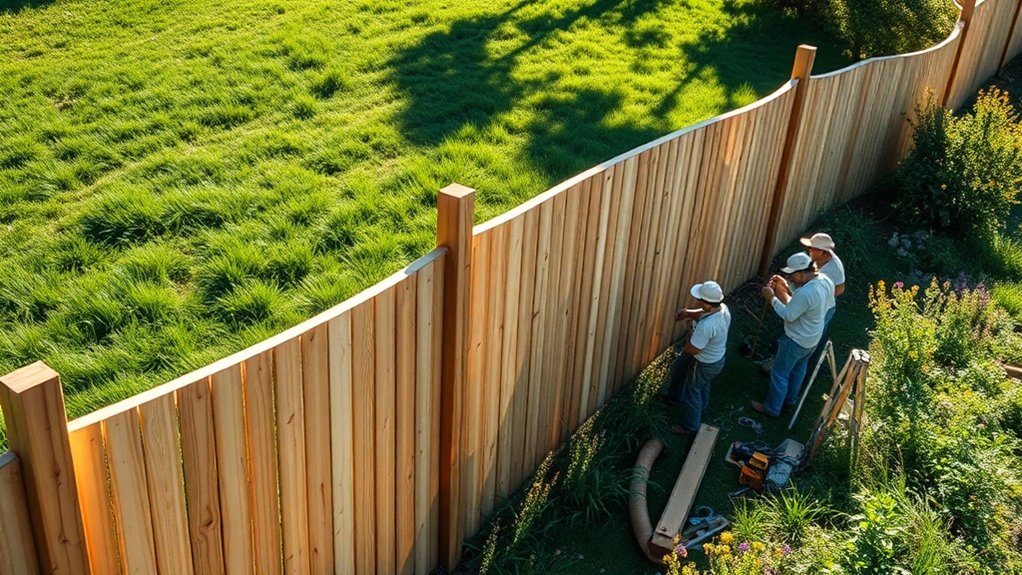
When planning a curved fence, you need to focus on key structural aspects to ensure it’s both stable and visually appealing. Start by carefully determining the radius to keep the curve aligned without sacrificing strength.
Use connection types that allow flexibility in the materials, so the fence can adapt to its shape without weakening. Curved stringers will help create smooth transitions, and selecting the right panel lengths will prevent weak spots.
Don’t forget sturdy fence post blocks; they’re essential for anchoring the structure and maintaining integrity. Since curved fences have different strength dynamics than straight ones, it might be wise to consult a professional to address load distribution and reinforcement, ensuring your fence is strong and attractive.
Aesthetic Benefits of Curved Fencing
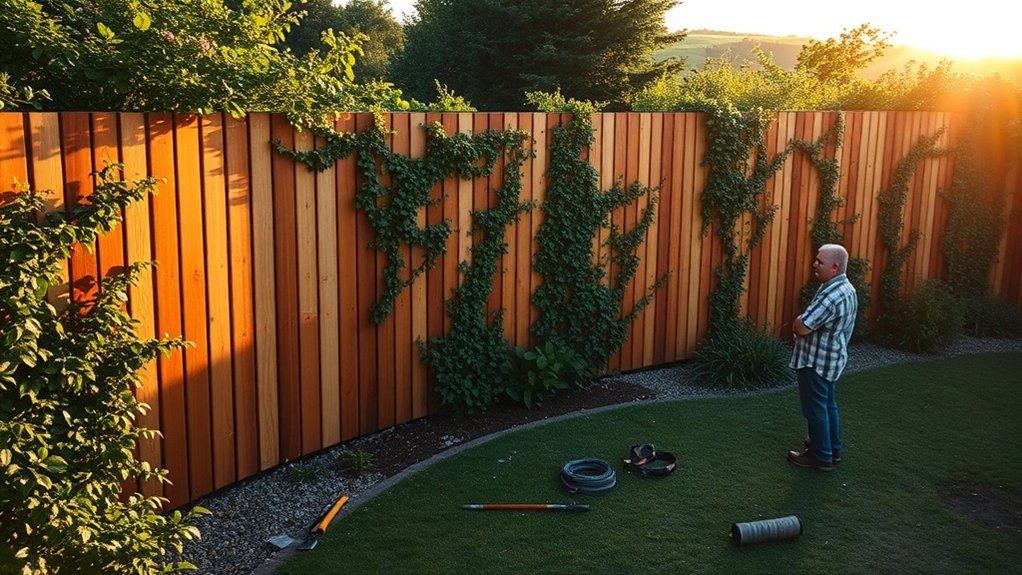
Curved fencing adds a unique touch to modern landscapes by creating gentle shapes that soften sharp edges and blend with the natural surroundings.
For instance, a curved fence can follow the lines of a garden path, making the transition between built and natural spaces feel effortless.
This design choice not only enhances visual appeal but also improves the overall look of your outdoor area.
Modern Landscape Enhancement
When considering landscape design, curved fencing can significantly enhance your outdoor space. Its gentle lines soften the overall look, creating a sense of flow that makes the area feel more inviting.
| Benefit | Description |
|---|---|
| Visual Appeal | Softens the landscape, adding openness. |
| Unique Features | Creates eye-catching designs that attract attention. |
| Integration with Nature | Blends well with existing natural elements. |
| Psychological Impact | Fosters a calming environment that encourages exploration. |
Curved fencing not only beautifies your property but also promotes a more harmonious connection with nature.
Natural Terrain Conformity
Curved fencing enhances landscape design by following the natural contours of your property. This approach reduces the need for grading, preserving the beauty of your terrain while offering ecological benefits.
Techniques like adjusting post heights help the fence adapt to elevation changes, ensuring stability and a cohesive look. The flowing lines of curved fencing blend well with paths, flower beds, and pools, creating a softer aesthetic.
Plus, it helps prevent soil erosion and supports local wildlife, promoting biodiversity. Using natural materials like wood further integrates the fence with the surrounding landscape, creating a harmonious outdoor experience.
Essential Materials for Curved Fence Installation

When installing a curved fence, choosing the right materials is crucial for both strength and appearance. You’ll want materials that can bend without losing durability. Key components include:
| Material Type | Function | Considerations |
|---|---|---|
| Curved Stringers | Support the fence curve | Should allow smooth lines |
| Post Blocks | Secure the fence | Vital for stability on curves |
| Custom Panels | Fit the fence curves | Minimize weak points |
| Installation Tools | Ensure accurate setup | Need tools for measuring radius |
Selecting these materials will enhance the longevity and look of your curved fence.
Tools Required for a Successful Installation
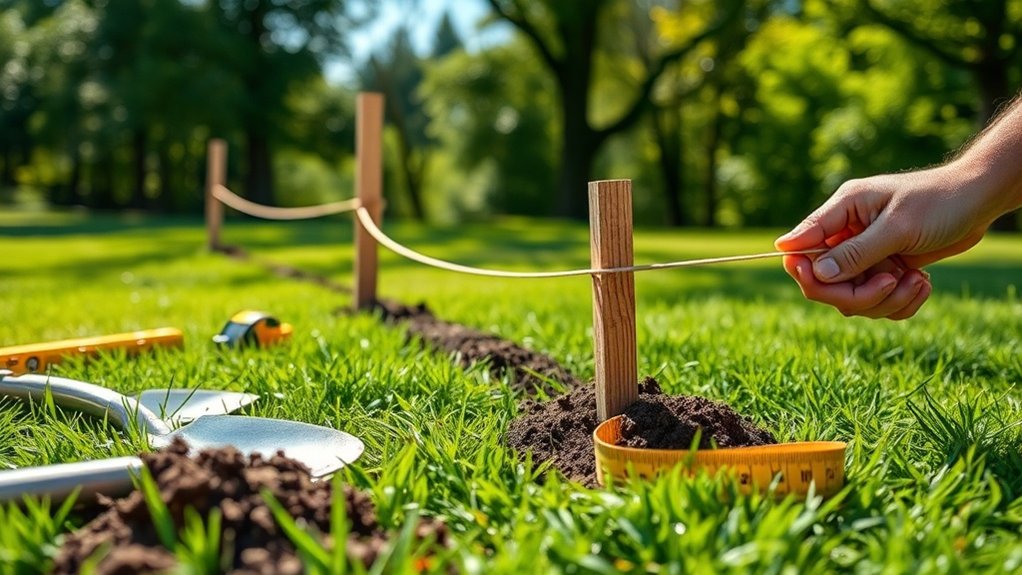
To successfully install a curved fence, you’ll need specific tools to tackle the unique challenges that curves present.
Start with basic hand tools like fence pliers and bolt cutters for precise adjustments. A hand stretcher and a stretcher bar with a cable ratchet are crucial for maintaining uniform tension.
Use post drivers and top rail benders to shape your posts and rails to the desired curve. For fastening, staple guns and wire twist tools will ensure secure connections.
Don’t forget safety gear like gloves and eyewear. Regularly inspect and clean your tools to extend their life and keep your installation efficient.
Best Practices for Planning Curved Fences
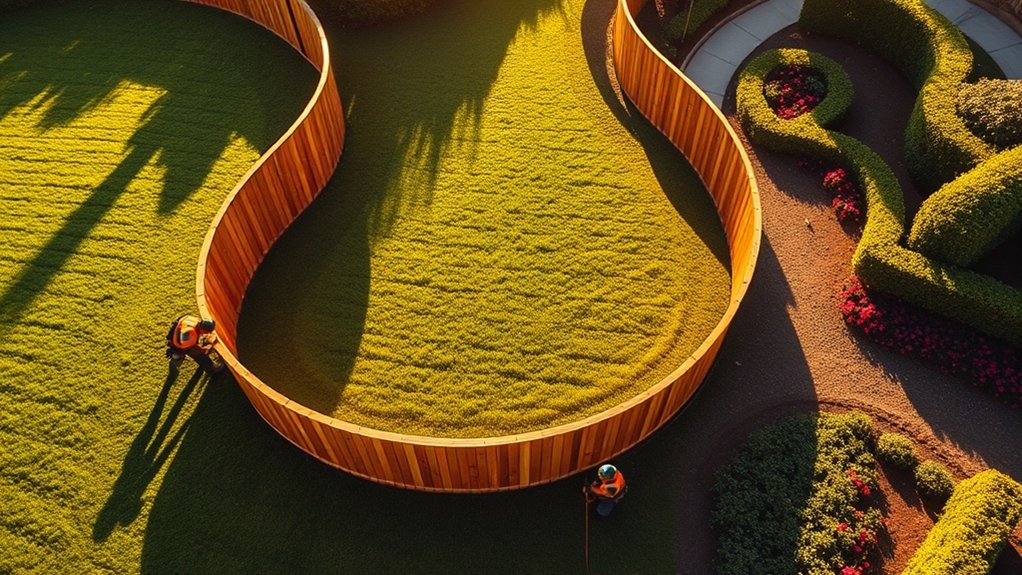
When planning curved fences, precise measurements are crucial for smooth curves.
Assess the terrain to tailor the design to the landscape, balancing function and looks.
Also, stick to post spacing guidelines to ensure stability and enhance visual appeal.
For example, if you’re working on a garden fence, consider how the curves will complement the plants and pathways.
Accurate Measurement Techniques
Accurate measurement techniques are crucial when planning curved fences to ensure everything aligns with the desired shape. Here are some straightforward tips to help you measure effectively:
- Use a string line to maintain consistent measurements along the curve.
- The arc method can help you define specific radii for marking the perimeter accurately.
- For freeform curves, flexible spline strips are handy; secure them with weights or clamps to keep them in place.
- Dial calipers are great for making precise adjustments.
Terrain Analysis Importance
Terrain analysis is crucial for installing curved fences, as it affects both stability and appearance. By recognizing the land’s features, you can adjust your design accordingly.
For example, gentle slopes allow for smooth curves, while steeper areas might require a step design to keep the fence looking good and secure. The soil type is also important; rocky or unstable ground may need extra support to ensure the fence stays in place.
Using tools like 3D diagrams can help you spot potential issues and place posts accurately. This thoughtful approach reduces waste and ensures your curved fence blends well with the landscape.
Post Spacing Guidelines
Proper post spacing is crucial for a successful curved fence installation. Here are some key tips:
- Measure the distance from the center stake; if there’s a larger deviation, place posts closer together.
- For straight sections, space posts 8-12 feet apart. For curves, reduce that to 6-8 feet for wood fences.
- Use braced corner and end posts to handle tension effectively.
- Keep spacing consistent to enhance both appearance and stability.
The Role of Terrain in Fence Design
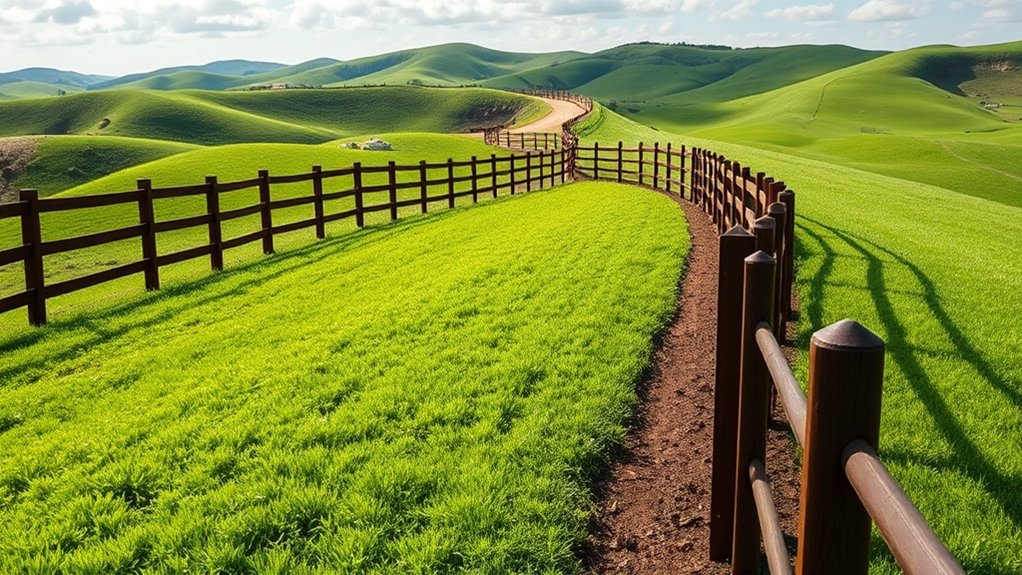
When designing a fence, it’s crucial to consider the land it’s built on. Different types of terrain, especially those with slopes, require specific approaches.
For uneven ground, you may need to rake or step fence sections to keep a uniform look while staying close to the ground. Adjusting post heights is important on slopes for both stability and visual appeal.
Soil conditions can also impact how deep your posts need to be; deeper footings might be necessary to prevent erosion. Using segmented sections allows your fence to follow the land’s natural curves, ensuring it blends well with the surroundings and withstands weather changes.
Lastly, choose materials that suit the terrain for a durable fence.
Customizing Fence Designs for Unique Properties
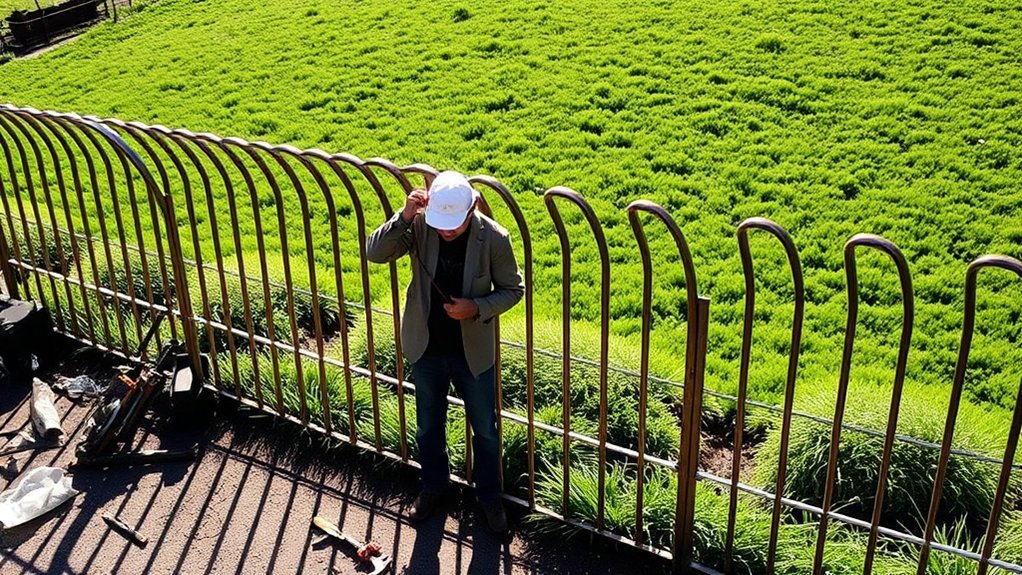
Customizing fence designs for unique properties helps blend your landscape with your personal style. A tailored fence can boost both function and look, catering to your property’s specific traits.
Here are some effective options:
- Choose cedar wood for durability and beauty, especially for curved lines.
- Add arched tops for a touch of elegance while ensuring privacy.
- Combine wood and metal for a modern, sturdy appearance.
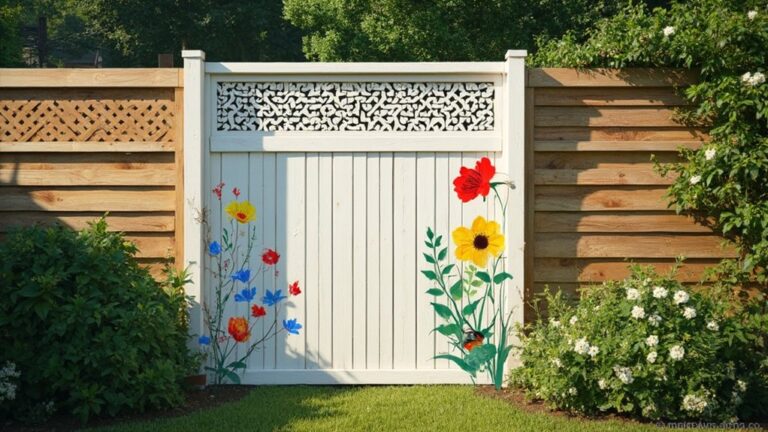
- Include decorative features like trellises or lattice for a personal touch.
With these design ideas, you can create a fence that enhances your outdoor space, making it both attractive and practical.
Maintaining Curved Fences for Longevity
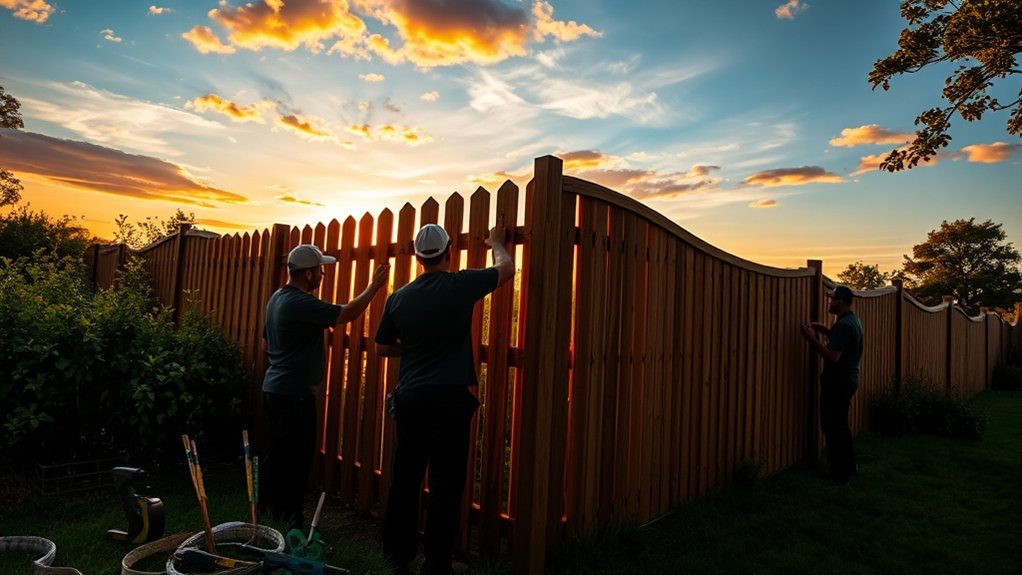
To keep your curved fence looking great and lasting longer, follow these simple steps.
Check it twice a year for any damage, like cracks or rot, especially where it touches the ground. Fix any loose boards and watch for stress points to avoid warping.
Regularly clean off debris and plants to prevent moisture buildup. Once a year, give it a thorough clean with mild soap and a soft brush—skip the pressure washer.
Every 2-3 years, apply a sealant designed for outdoor use to protect against moisture and UV rays. Choose decay-resistant wood and treat your materials beforehand for added durability.
Frequently Asked Questions
How Do I Choose the Right Fence Style for Curves?
To select the best fence style for curved areas, opt for flexible materials like metal or segmented wood. Ensure the design fits both your aesthetic preferences and practical needs, such as privacy and the terrain’s layout. For instance, a wrought iron fence can elegantly follow curves while providing security.
Can I Install Curved Fences on Very Steep Slopes?
Yes, you can install curved fences on steep slopes, but it requires careful planning. Make sure the posts are sturdy and angled correctly to prevent leaning. Also, keep the rails tight to avoid sagging. For instance, think of it like building a strong treehouse on a hill; stability is key!
What Is the Cost Difference Between Straight and Curved Fences?
Curved fences typically cost significantly more than straight ones. The materials are pricier, and installation requires skilled labor, which can stretch your budget. For example, while a straight fence might cost you $20 per foot, a curved fence could set you back $30 or more per foot, depending on the complexity of the curves.
How Do I Maintain Tension in Curved Fence Lines?
To keep tension in curved fence lines, use inline strainers and tension springs. Opt for flexible, high-tensile materials to ensure stability. Regularly check and adjust the wire tension to keep everything in top shape. For example, think of it like tuning a guitar—consistent adjustments lead to better performance.
Are There Specific Regulations for Curved Fence Installations?
Yes, you’ll need to adhere to fence regulations and curve specifications, including height and setback rules. For example, if your fence is near a sidewalk, it might need to be set back a certain distance. Also, check local zoning laws or HOA guidelines, which may have stricter aesthetic standards to follow.
Conclusion
Installing curved fences can significantly boost your property’s charm, much like a smooth curve enhances a landscape. To achieve this, focus on proper installation techniques, address any structural issues, and take the terrain into account. Careful planning and selecting the right materials are essential for both aesthetics and durability. With regular upkeep, your curved fence can withstand the elements and enrich your outdoor space.