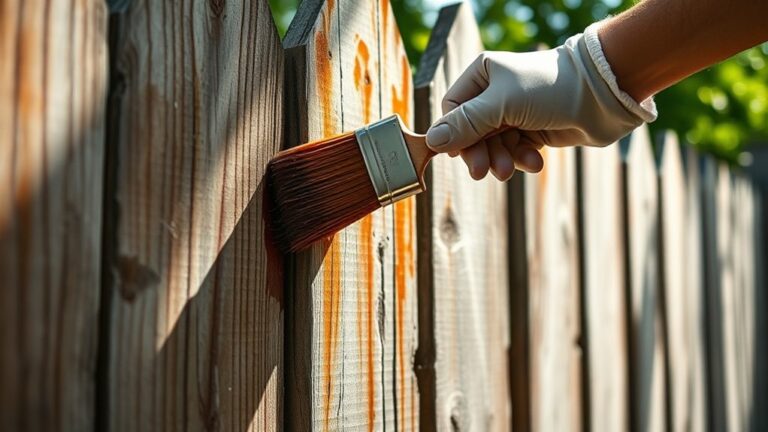
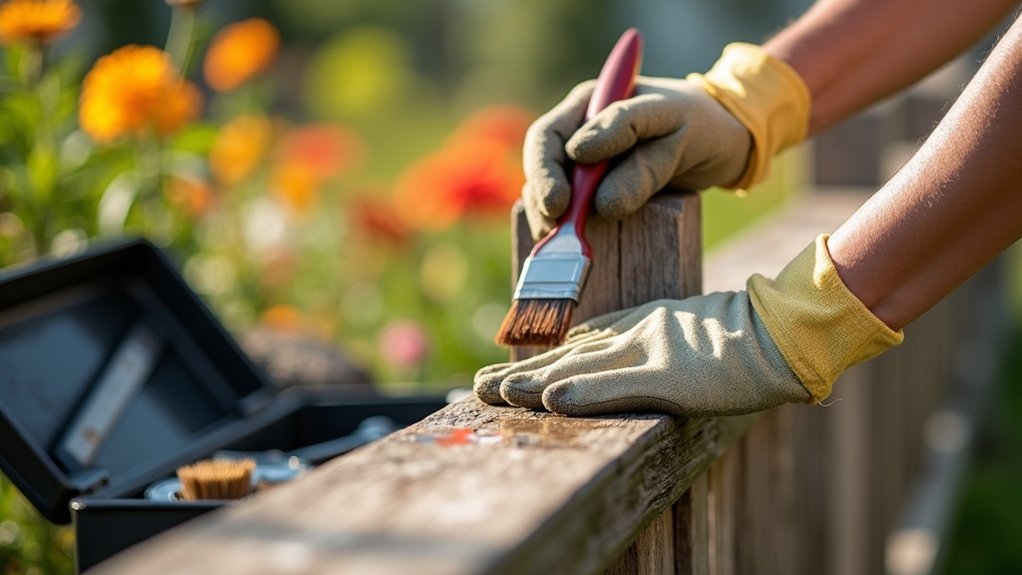
To keep fence panels in good shape for long-term rentals, check them at least once a year, or every few months if tenants are living there. For metal fences, clean them with a soft brush; for wood and vinyl, just use soap and water. Fix any small damages right away with quick fixes, and decide if bigger repairs need a pro. Be aware of your rental agreements and local laws about fence installations. Regular maintenance is key for safety and protecting your property’s value. For more tips and insights, keep reading!
Key Takeaways
- Inspect fences at least once a year to spot hazards and meet local housing codes.
- Clean metal, wood, and vinyl fences with the right materials to avoid rust, rot, and fading.
- Fix minor damages right away to stop them from getting worse; consider temporary solutions until you can get a pro.
- Take photos and write down any damages to help with repairs and clarify who’s responsible.
- Set aside 50% of your monthly rental income for maintenance to handle routine care and unexpected fixes.
Importance of Regular Inspections
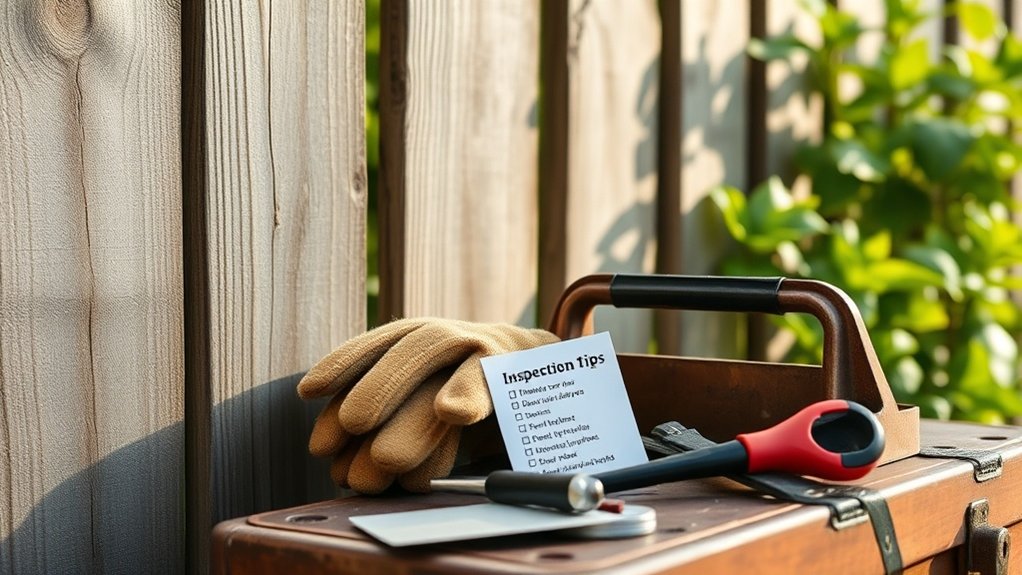
Regular fence inspections are essential for safety and maintenance. Aim to inspect your fence annually or quarterly if tenants are present. These checks can reveal hazards like loose panels or weakened supports, helping you avoid accidents. Regular inspections can also catch damage early, saving you from expensive repairs later. Additionally, inspecting for signs of damage can prevent further deterioration and ensure the fence remains secure.
Plus, they ensure your fence meets local housing codes, reducing the risk of legal issues. By addressing problems quickly, you maintain your property’s value and improve its appearance, which is important for keeping tenants happy. A well-kept fence not only enhances your property but also protects property value and its market value.
Cleaning and Maintenance Procedures
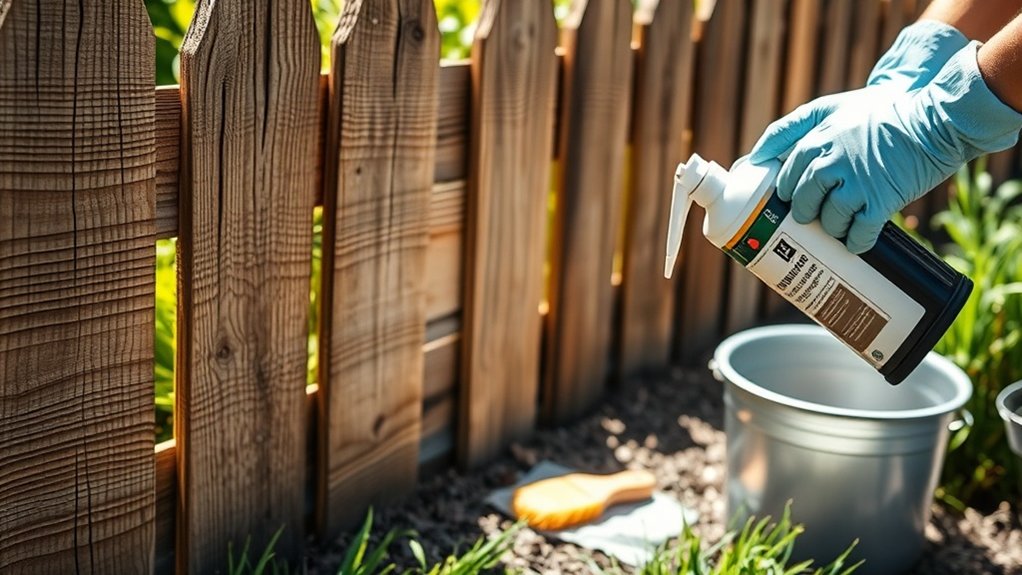
To keep your fence panels looking good and lasting longer, follow these simple cleaning and maintenance steps.
For metal fences, use a soft brush to remove dirt and dust, then scrub any rust with a wire brush. Wash the area with warm water and mild detergent, and rinse well. It’s important to address severe rust with sandpaper and rust converter if you notice any significant damage. Regular inspections can help identify issues early, preventing further damage to the fence.
For wooden and vinyl fences, mix soap and water, rinse, and let it dry completely. When cleaning vinyl, stick to mild cleaners to avoid damage. Additionally, using specialized solutions for vinyl can enhance the cleaning process and prevent streaks.
Seasonal maintenance is key—after cleaning, think about applying protective coatings or primers. Regular upkeep not only strengthens your fence but also keeps it looking great year-round.
Addressing Minor Damages Promptly
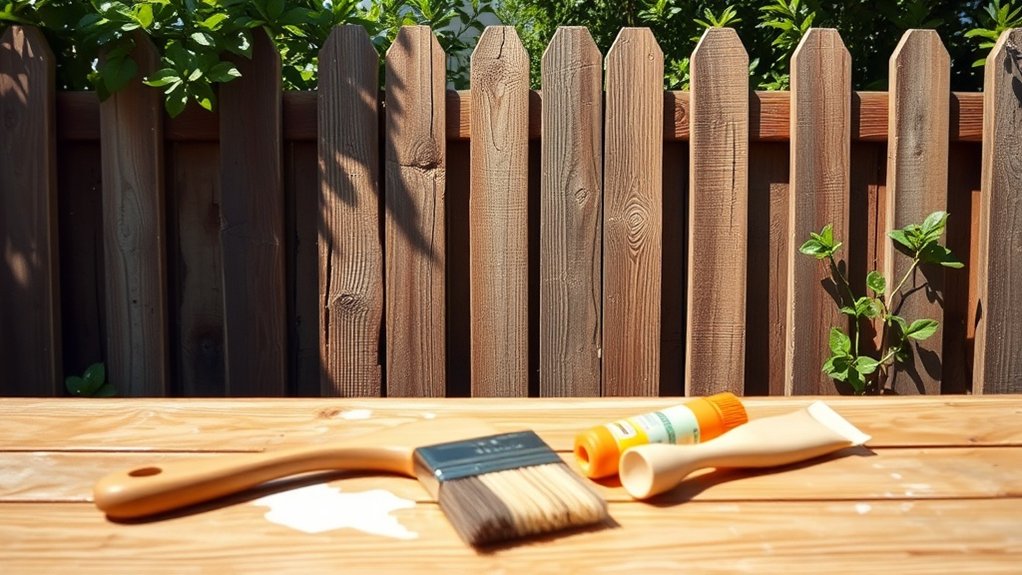
To keep your fence in good shape, spot any damage early before it gets worse. Use temporary fixes if needed, and let your rental provider know if it needs a professional touch. Taking quick action helps ensure your fence stays strong and looks nice. Regular inspections can help identify weak spots and prevent significant issues before they arise. Additionally, conducting these inspections allows you to catch signs of rot and mold, which can indicate underlying moisture problems that may require immediate attention.
Identify Damage Early
Regularly inspect your fence to catch minor damages before they become major problems. Check for loose panels, bent frames, and rust.
Look out for corrosion and paint chipping on metal parts, as these can weaken the structure. Ensure panel bases and clamps are stable to avoid collapses, and fix any small holes or tears right away for better security.
Examine welded joints and connectors for cracks, and watch for warping or misalignment. Set up a routine inspection schedule and keep notes on what you find.
Temporary Fix Solutions
Minor damages to your fence can worsen quickly, so it’s important to address them with temporary fixes.
Use weather-resistant materials like tarps or plywood to cover missing sections, and secure these with nails or heavy-duty ties to prevent them from blowing away.
If you have broken pickets, reattach them using new screws. For leaning posts, support them with wooden stakes and rope.
To fix sagging gates, consider using no-sag kits for realignment. Regularly check and tighten connections as needed.
For tears in chain-link mesh, twist the edges together with wire or zip ties.
These quick fixes will help keep your fence secure until you can make permanent repairs.
Notify Rental Provider
If you notice damage to your fence panels, it’s important to notify your rental provider right away. This helps prevent further issues and allows for timely repairs.
Good communication with your landlord is key to maintaining a positive relationship.
Document the damage by taking clear photos and videos from different angles. Include details like when you first noticed the problem.
Use written notifications, such as emails or letters, to create a formal record. Attach your documentation and ask for confirmation from your rental provider.
This proactive approach can support insurance claims and ensure that you and your landlord understand your responsibilities.
Understanding Professional Repair Needs
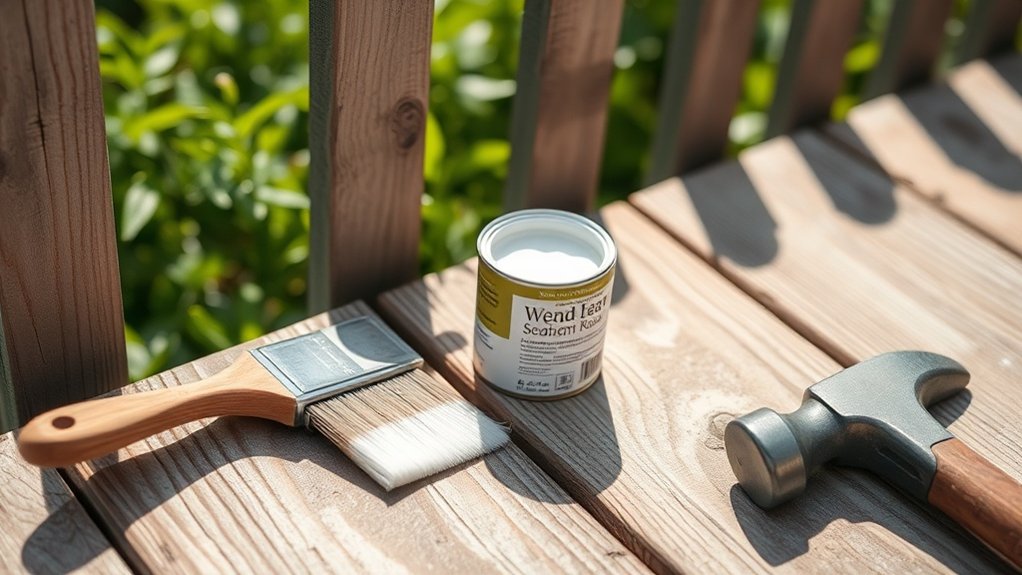
When you spot damage to your fence, it’s crucial to assess the type and severity of the issues. This helps you decide whether to tackle the repairs yourself or hire a professional.
For instance, minor fixes like replacing a few boards might be manageable on your own, but significant damage could require expert attention.
Understanding repair standards ensures your fence remains safe and meets local regulations.
Identifying Damage Types
Identifying fence damage is crucial for planning repairs. Regular inspections help you discuss maintenance with tenants and maintain the fence’s appearance.
Here are key damage types to watch for:
- Rot and Decay: Often found in wood fences, especially near the ground, this indicates prolonged moisture exposure.
- Cracks and Breaks: Vinyl and metal fences can crack due to extreme weather, leading to material fatigue.
- Structural Issues: Leaning or collapsed sections usually indicate post failure from soil shifts or neglect.
Spotting these problems early saves time and money, ensuring your fence remains safe and attractive for tenants.
Repair Protocols and Standards
To effectively maintain fence panels, it’s crucial to follow proper repair protocols and standards. Here’s a straightforward guide:
| Repair Focus | Recommended Action |
|---|---|
| Damage Inspection | Check posts and panels thoroughly |
| Fastener Selection | Opt for galvanized or stainless-steel fasteners |
| Panel Reinforcement | Add horizontal rails to sagging panels |
| Post Stability | Reset posts upright using quick-setting concrete |
| Material Matching | Ensure replacement parts match the original materials |
Professional vs. DIY Repairs
Considering fence repairs? It’s tempting to go the DIY route, but knowing when to hire a professional can really pay off. Here are a few key points to think about:
- Professional advantages: They offer warranties and often deliver better long-term value, making the upfront cost worth it.
- DIY pitfalls: If you’re not skilled, your repairs might be weak, leading to more issues down the line.
- Efficiency: Professionals can usually finish repairs quickly, which means less disruption for tenants.
In short, while DIY repairs might seem cheaper at first, a professional job can save you time, money, and hassle later.
Assess your skills against the job’s needs to decide what’s best for your rental property.
Rental Terms and Extension Policies
Rental terms and extension policies are crucial for the relationship between landlords and tenants. In the U.S., most rental agreements last 12 months, but month-to-month leases can provide more flexibility, especially in expensive areas.
Knowing your lease duration can help you assess your housing stability. With around 50% of landlords offering rent extensions after the pandemic, you may have options if financial challenges arise.
Be mindful of any “step-up” rent clauses or adjustable terms that could affect your budget. Understanding these policies can lead to a more secure living situation and help you navigate the rental market effectively.
Choosing the Right Fence Panel Type
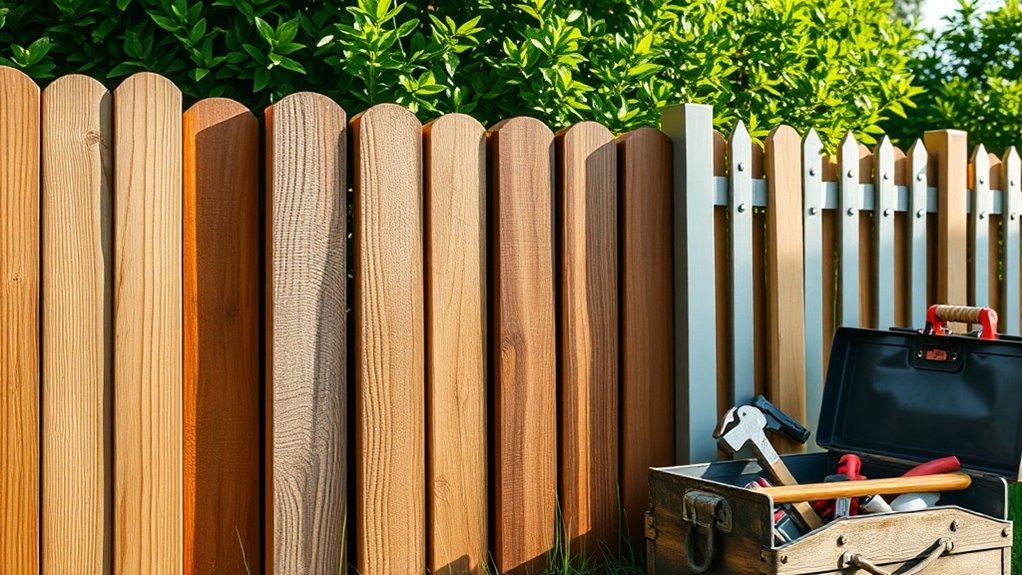
When selecting a fence panel, first decide if you want a temporary or permanent solution.
Durability matters—vinyl and metal panels last longer and need less maintenance, while untreated wood often requires regular upkeep.
Think about your specific needs to choose the right option for your property.
Temporary vs. Permanent Solutions
When selecting a fence panel, it’s important to consider the pros and cons of temporary versus permanent solutions.
- Temporary fences offer quick setup and flexibility, making them ideal for short-term needs like events or construction sites.
- Permanent fences typically have higher upfront costs and may require landlord approval for installation.
Think about how long you’ll need the fence and your budget before making a choice.
If you want a flexible option that won’t affect your property much, go for temporary fencing.
But if you need something durable and secure for the long haul, a permanent fence could be a smart investment.
Evaluate your specific situation since each option caters to different requirements.
Material Durability Considerations
When choosing a fence panel, durability is key as it affects maintenance and lifespan.
Vinyl is a great option—it’s resistant to rot, warping, and insects, and needs little upkeep.
Wood looks nice but can suffer from moisture damage and requires regular staining.
Metal offers strong security and long-lasting use but comes with higher installation and maintenance costs.
Composite panels mimic wood but are more durable, resisting rot and insects, which cuts down on maintenance.
Think about your rental property’s needs and budget; the right material can save you time and money in the long run.
Cost Considerations for Long-Term Rentals
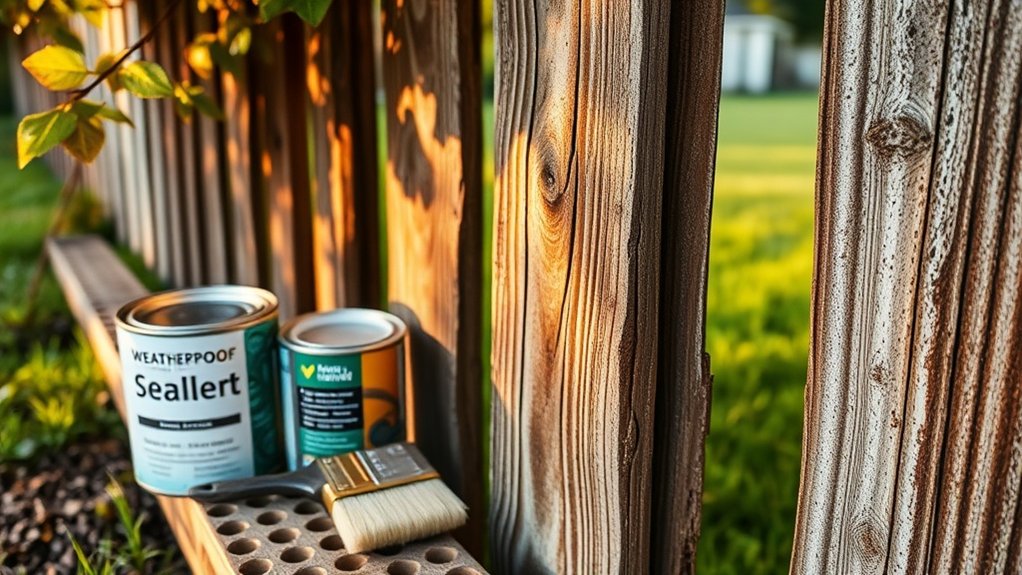
Cost considerations for long-term rentals can significantly affect your investment strategy. By estimating costs and conducting regular damage assessments, you can budget more effectively for fence panel maintenance.
Here are some key points:
- Annual maintenance typically costs about $1 per square foot of property.
- According to the 50% rule, set aside half of your monthly rental income for maintenance.
- Environmental factors can increase costs due to additional wear and tear.
Routine maintenance helps avoid larger, unexpected expenses later.
Always assess the condition of your fencing materials and their age to ensure you’re ready for any necessary repairs.
Compliance With Local Regulations
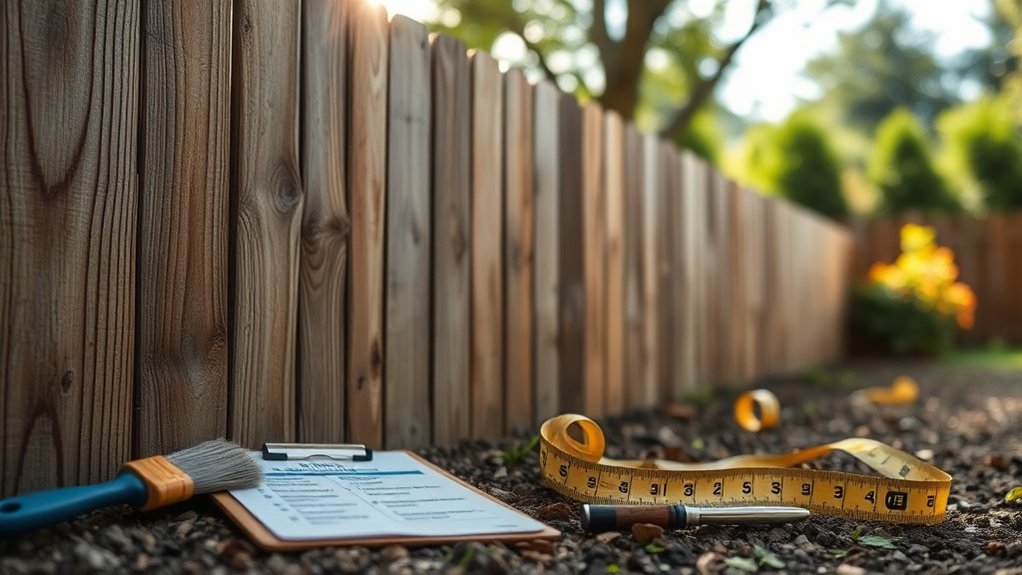
Understanding local regulations for fence installation is crucial for rental property owners. Many municipalities have zoning laws that specify the types, heights, and locations of fences, often requiring permits before installation.
For example, some areas may require fences to be set back from sidewalks or utility lines. Temporary fences often have more relaxed rules than permanent ones.
If your fence plans don’t align with local codes, you might need to request a variance, which can add to your costs and delays. Staying informed about these regulations helps you avoid disputes and ensures your fence meets community standards.
Preparing the Installation Site

Preparing your installation site is crucial before putting up your fence. This ensures a smooth process and extends the life of your fence. Start by clearing away debris, rocks, and any plants along the fence line.
Then, mark your layout to define property lines and fence locations accurately. Follow these steps:
- Remove any obstacles and trim back overhanging branches.
- Use stakes and string to outline your fence layout, preventing any need for repositioning later.
- Check for underground utilities to ensure safe digging.
These steps not only simplify the installation but also help avoid problems down the line. A well-prepared site will help your fence last longer and perform effectively.
Reporting Serious Damage to Rental Providers
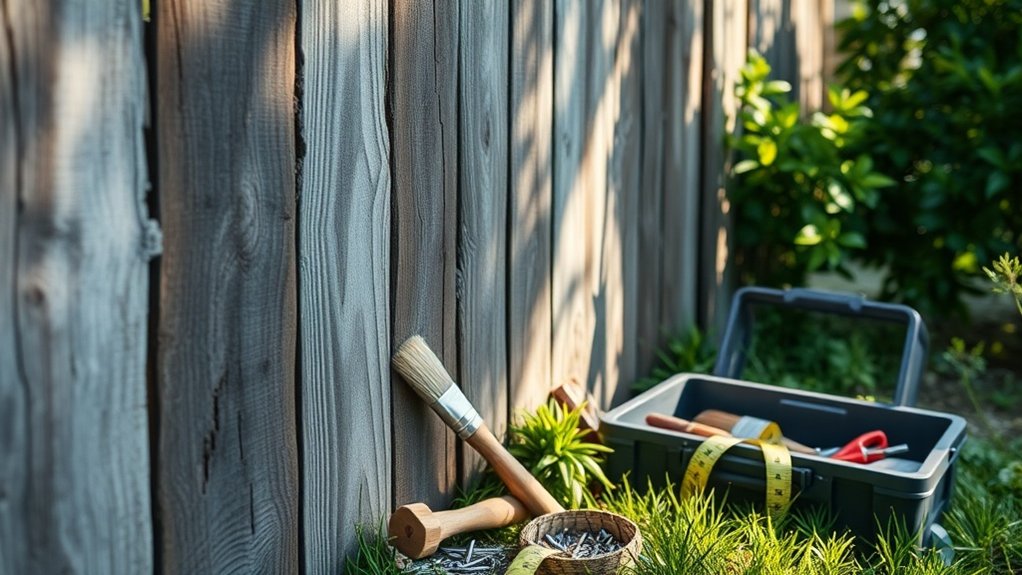
If serious damage occurs to a fence, report it to your rental provider immediately for a quick resolution.
Start by taking clear photos and videos from different angles, and note the location, extent of the damage, and any possible causes. Send this documentation to your rental provider as soon as you find the issue.
Also, update any inspection or move-in/move-out reports to officially record the damage. Clearly communicate any concerns about tenant liability to avoid misunderstandings.
This approach ensures repairs happen quickly and keeps your living space safe.
Long-Term Care for Different Materials
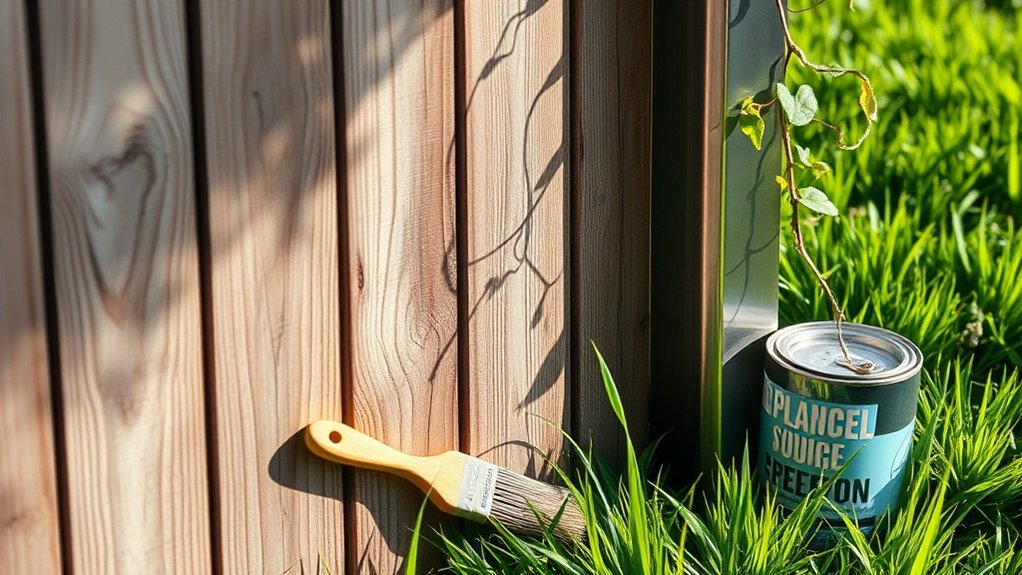
Different fence materials require specific maintenance to ensure longevity and enhance your rental property’s appeal.
Here’s a quick guide:
- Vinyl: Clean with mild soap and water regularly. Check for UV damage to keep it looking good.
- Wood: High maintenance—stain and seal it every year to prevent rot and pests.
- Metal: Look for rust and treat it immediately. Use protective coatings to reduce upkeep.
For brick and stone, just inspect for cracks occasionally.
Knowing how to care for these materials will help you choose the best options for long-term rentals while ensuring they look great.
Always follow local safety codes during installation and maintenance for compliance and tenant safety.
Frequently Asked Questions
How Can I Prevent Rust on Metal Fence Panels?
To prevent rust on metal fence panels, use rust-inhibiting paints and clean them regularly. Ensure proper drainage around the fence to avoid water pooling. Check for any damage often and fix it promptly. Lubricate moving parts to keep everything functioning well and extend the life of your fence.
What Should I Do if My Fence Panel Is Leaning?
If your fence panel is leaning, start by propping it up with braces or wedges for temporary support. Next, identify the cause—check for damaged posts or soil erosion. For a long-term fix, consider replacing the posts or using repair stakes to stabilize the panel.
Can I Paint or Modify Rental Fence Panels?
You can’t paint or modify rental fence panels without your landlord’s permission. Most rental agreements prohibit changes to keep the fence looking uniform. Always check your lease to avoid any penalties or conflicts. For instance, if you want to add a decorative element, ask your landlord first.
How Often Should I Clean My Fence Panels?
Clean your fence panels at least twice a year. Follow seasonal maintenance guidelines to avoid dirt buildup and keep them looking good. For example, if you live in a humid area, it’s especially important to stay on top of cleaning. Establish a routine to maintain your fence’s appearance.
What Are the Signs That I Need a Fence Replacement?
If your fence looks worn out or shows signs of significant damage, it might be time for a replacement. Look for leaning posts, deep rot, or other structural issues, especially if your fence is older than its expected lifespan. Don’t delay in addressing these problems!
Conclusion
To keep your fence looking good and functioning well, make sure to conduct regular inspections and maintenance. A well-maintained fence not only keeps your pets secure but also enhances your property’s curb appeal. Don’t let your fence become a safety hazard or an eyesore. A little care now can save you from bigger problems later.