

Using wood for fencing has notable environmental impacts. It can lead to deforestation, which harms ecosystems and wildlife. Over time, wood fences also release carbon dioxide, adding to your carbon footprint. Furthermore, chemical treatments can leach harmful substances into the soil and water.
However, choosing sustainably sourced wood can help reduce these effects. Regular maintenance can extend your fence’s lifespan, and opting for untreated wood can support biodiversity. By making responsible material choices and adopting eco-friendly practices, you can minimize your ecological impact.
Key Takeaways
Wood fencing can lead to deforestation and habitat loss, affecting wildlife and ecosystems because of the high demand for timber. Over its lifespan, wood fencing can emit around 15,219 kg of CO₂, adding to greenhouse gases. Additionally, chemical treatments often used on wood can leak harmful substances into the environment, risking soil and water health.
Opting for sustainably sourced wood or untreated materials can lessen these environmental impacts and help preserve biodiversity while keeping carbon stored long-term. Regular maintenance of wood fencing can also extend its life and reduce its ecological footprint, making it a more sustainable option when cared for properly.
Deforestation Concerns and Habitat Loss

While wood fencing may look nice and serve a purpose, it comes with significant environmental costs. Each year, about 25 million hectares of forests are lost due to timber demand, including for fencing. This deforestation disrupts ecosystems, fragments habitats, and threatens wildlife. Additionally, approximately 25 million hectares of forest are lost each year, making deforestation the second-largest source of human-caused greenhouse gas emissions, responsible for around 11% of global emissions.
Even with sustainable forestry practices, the pressure on forest resources remains high. Plantation forests, often used for timber, usually have less biodiversity than natural forests and can lead to issues like water scarcity and soil degradation.
Carbon Footprint of Wood Fencing

When evaluating the carbon footprint of wood fencing, it’s important to consider several key factors.
A lifecycle assessment reveals that CO₂ emissions come from logging, processing, and transportation. For instance, one tree can release about 5 tons of stored CO₂, and wood fencing contributes roughly 15,219 kg CO₂ over its lifespan of 100 years. While this is less than concrete or steel, maintenance and chemical treatments can increase emissions. Choosing sustainably sourced wood, like FSC or PEFC-certified options, can help reduce these impacts. Additionally, it’s crucial to recognize that wood fences require ongoing maintenance, which increases their environmental impact over time. This maintenance, including regular inspections and the application of finishes, plays a significant role in ensuring the longevity and sustainability of cedar fencing.
Chemical Treatments and Environmental Risks

When choosing wood fencing, be mindful of chemical leaching from treated wood, which can harm soil and water. Luckily, there are safer treatment options and eco-friendly practices that can reduce these risks. Familiarizing yourself with environmental regulations can also guide you in selecting safer materials. Additionally, sourcing wood from sustainable certifications like FSC can help mitigate the environmental impact associated with wooden fencing. Consider opting for recycled materials that can provide a more sustainable alternative to traditional wood.
Chemical Leaching Risks
Wood fencing is often treated with chemicals to make it last longer and resist decay. However, this can lead to harmful chemicals like chromated copper arsenate (CCA), creosote, and pentachlorophenol leaching into the soil and water.
These substances, especially arsenic and chromium from CCA, can linger in the environment and accumulate in living organisms, posing serious health risks. Rainfall can wash these chemicals into the ground, disrupting the microbial communities that keep soil healthy.
Additionally, they can contaminate drinking water, raising concerns about cancer and other health issues. Wildlife is also at risk, facing potential reproductive and immune system damage.
This highlights the importance of carefully considering the environmental effects of treated wood.
Treatment Alternatives Available
Traditional chemical treatments for wood fencing are durable but pose environmental risks. Instead, consider natural oil treatments like linseed and tung oils.
These options penetrate the wood, improve moisture resistance, and avoid harmful VOCs found in many chemicals. They require re-treatment every 1–3 years, which reduces synthetic chemical use.
Another alternative is plant-based stains, which offer vibrant colors and are biodegradable, cutting down on pollution during use and disposal.
Environmental Regulation Impact
The U.S. Environmental Protection Agency (EPA) enforces strict regulations on chemical treatments for wood fencing to protect health and the environment.
Here are three main points to consider:
- Risk Assessments: The EPA reviews chemicals like creosote and chromated arsenicals every 15 years to ensure they’re safe.
- Mitigation Measures: If these chemicals are used, there must be strict ventilation and safety measures to protect workers from exposure.
- Environmental Impact: Treated wood can release harmful substances into the soil and water, so proper disposal methods are essential to avoid contamination.
These regulations help ensure that wood preservation methods don’t compromise human health or environmental safety.
Biodiversity Support Through Wood Fencing

Wood fencing is important for creating habitats that support diverse wildlife and native plants.
These fences add structural complexity and encourage ecological interactions, helping local environments become more resilient.
They also offer essential resources for various species, promoting biodiversity that enhances the entire ecosystem.
Habitat Creation for Wildlife
Wildlife habitats are increasingly fragmented, and wood fencing can help support biodiversity.
Here are three key benefits:
- Microhabitats: Stacking logs and branches near fences creates shelter and breeding sites for small mammals and insects, boosting local biodiversity.
- Wildlife Corridors: Designing wood fencing to allow safe passage helps maintain habitat connectivity for animals like elk and migratory ungulates, minimizing injury as they move.
- Structural Complexity: Wood fences provide perching and nesting spots for birds, enhancing the ecosystem.
Incorporating wood fencing in habitat design is a simple yet effective way to support wildlife.
Supporting Native Plant Species
Integrating native plant species into wood fencing can boost local biodiversity. By using fences to support these plants, you create ecotones that mirror natural habitats.
This method requires less upkeep, is better suited to local pests and climates, and reduces the need for chemicals. Mixed-species hedgerows along fences attract native pollinators, birds, and beneficial insects, providing more ecological benefits than regular lawns or non-native plants.
As these native plants grow, they may self-seed, further enriching the ecosystem. Incorporating native vegetation into your fencing enhances your property and supports vital ecological functions in your area.
Ecosystem Balance and Resilience
Integrating native plants into wood fencing boosts biodiversity and supports ecosystem balance.
Using wood for fencing offers several benefits:
- Microhabitat Creation: Wood fences provide shelter for insects, birds, and small mammals.
- Soil Protection: They act as windbreaks, reducing soil erosion and stabilizing the landscape.
- Wildlife Shielding: Fences can protect animals from human disturbances, helping to maintain their habitats.
Choosing untreated or naturally treated wood prevents harmful chemicals from leaching into the environment. Additionally, wood fencing can enhance property value increase by providing a natural aesthetic that attracts potential buyers.
This approach not only creates biodiversity hotspots but also strengthens the connections between species, leading to a healthier ecosystem.
Recyclability of Old Wood Fences

To determine if old wood fences are recyclable, start by checking the wood type and its treatment. Untreated, unpainted wood is usually easy to recycle, while painted or pressure-treated wood can be problematic due to harmful chemicals.
These treatments can contaminate materials, making recycling unsafe. Before recycling, remove all nails and clean the wood surfaces.
Cutting the panels into smaller pieces and sorting them by treatment type makes the process easier. If the wood can’t be recycled, look for eco-friendly disposal options to reduce environmental impact.
Understanding what you have is key to a successful recycling process and its benefits.
Renewable Resource Management

As wood fencing becomes more popular, managing it sustainably is crucial.
Here are some key practices to ensure wood remains a renewable resource:
- Choose Certified Wood: Opt for wood from certified forests like those endorsed by the Forest Stewardship Council (FSC) or the Programme for the Endorsement of Forest Certification (PEFC).
- Practice Responsible Harvesting: Follow eco-friendly harvesting methods to reduce environmental impact, avoid deforestation, and protect biodiversity.
- Follow Local Regulations: Ensure compliance with local forestry laws to safeguard ecosystems and support sustainable wood sourcing.
Carbon Sequestration Benefits

Wood fencing offers notable carbon sequestration benefits that help combat climate change.
Trees absorb carbon dioxide as they grow, and this carbon remains stored in the wood after it’s harvested, making wood an effective carbon sink.
By choosing wood fencing, you’re opting for a sustainable solution with a lower carbon footprint compared to metal or plastic.
Well-managed forests ensure ongoing carbon sequestration, as trees can be harvested sustainably.
The carbon in wood can be stored for centuries, providing a long-lasting way to support the environment.
Importance of Sustainable Sourcing

Choosing wood fencing isn’t just an aesthetic choice; it’s a step towards sustainability. When you select responsibly sourced wood, you support:
- Biodiversity: Sustainable logging practices help protect habitats, ensuring ecosystems thrive.
- Future Resources: Responsible harvesting keeps forests healthy, ensuring wood availability for future generations.
- Local Communities: Buying local wood reduces transportation emissions and boosts regional economies.
By prioritizing certified wood, you promote forest management that supports biodiversity and a healthier planet.
Sustainable sourcing benefits both the environment and your community.
Durability and Maintenance Considerations

When choosing wood fencing, durability and maintenance are key factors that affect its lifespan and performance. Different wood types last varying lengths of time; for example, cedar can last 15–30 years, while exotic hardwoods may last 50–75 years.
To extend the life of your fence, regular maintenance is essential. Apply sealant or stain every 2–3 years to guard against moisture and UV damage, and clean it annually to prevent mold and insects.
Seasonal inspections are also important to catch any damage early, allowing for timely repairs. Keep in mind that exposure to moisture and extreme weather can speed up wear and tear, so staying proactive with maintenance will help ensure your wood fencing remains strong and functional.
Eco-Friendly Alternatives to Wood Fencing

As the need for sustainable building materials increases, eco-friendly alternatives to wood fencing are becoming popular for their environmental and practical benefits.
Here are three great options:
- Bamboo: This fast-growing plant is strong, requires little water, and naturally resists pests, making it a durable fencing choice.
- Composite Fencing: Made from recycled plastics and natural fibers, composite fencing reduces waste and lasts a long time with minimal upkeep.
- Reclaimed Wood: By using salvaged timber, you help cut down on deforestation and waste, while also achieving a unique look.
Additionally, consider living fences or metal options like aluminum, which can boost local ecosystems and are recyclable.
These eco-friendly choices provide solid alternatives to traditional wood fencing.
Economic and Market Trends in Wood Fencing

The U.S. wood fencing market remains strong, especially in picket fencing, which is expected to generate 41.02% of revenue in 2024.
With a global growth rate of 5.2% projected through 2029, the market is thriving due to residential renovations and urbanization. Many consumers prefer wood fencing for its attractive look, customization options, and durability. Concerns about privacy and security also drive demand.
However, tariffs on imported materials might cause price fluctuations. Despite these challenges, wood fencing remains a budget-friendly option that balances quality and affordability, maintaining its popularity as consumer preferences evolve.
Frequently Asked Questions
How Can I Identify Sustainably Sourced Wood for Fencing?
To identify sustainably sourced wood for fencing, look for certification labels such as FSC (Forest Stewardship Council) or PEFC (Programme for the Endorsement of Forest Certification). These labels indicate responsible forest management. Additionally, research where the wood comes from and ensure suppliers can provide proof of their Chain of Custody, which verifies sustainable practices. For example, if you’re considering cedar fencing, check if it has these certifications to ensure it’s sourced responsibly.
What Are the Best Maintenance Practices for Wood Fences?
To keep your wood fence looking great, stain it every few years and seal it well to protect against moisture. Regularly check for damage, clean gently, and fix any issues quickly. This will help your fence last longer and maintain its appeal.
Are There Specific Types of Wood That Are More Eco-Friendly?
Cypress is eco-friendly because it resists rot and lasts a long time. Bamboo is also a great choice; it grows quickly and is renewable, making it a sustainable option for durable fencing with less environmental impact.
How Does Wood Fencing Impact Local Wildlife Populations?
Wood fencing can harm local wildlife by disrupting habitats and blocking movement. For example, animals like deer and rabbits rely on open pathways to find food and mates. When fences create barriers, it can lead to stress and lower populations over time.
What Are the Long-Term Costs Associated With Wood Fencing?
Wood fencing comes with long-term costs that include maintenance, repairs, and replacements. Over 25 years, these expenses can range from $17,200 to $24,600, depending on the type of wood and environmental factors. For example, a treated pine fence may require more upkeep in humid areas, while cedar might fare better but cost more upfront. It’s essential to factor in these ongoing costs when considering a wood fence for your property.
Conclusion
Some may say wood fencing leads to deforestation, but it can be sourced sustainably. Choosing wood from certified forests helps protect habitats and supports biodiversity. Wood also offers natural beauty and durability, making it a solid investment. While there are eco-friendly alternatives, understanding the environmental effects of wood can help you make decisions that balance aesthetics, functionality, and sustainability.
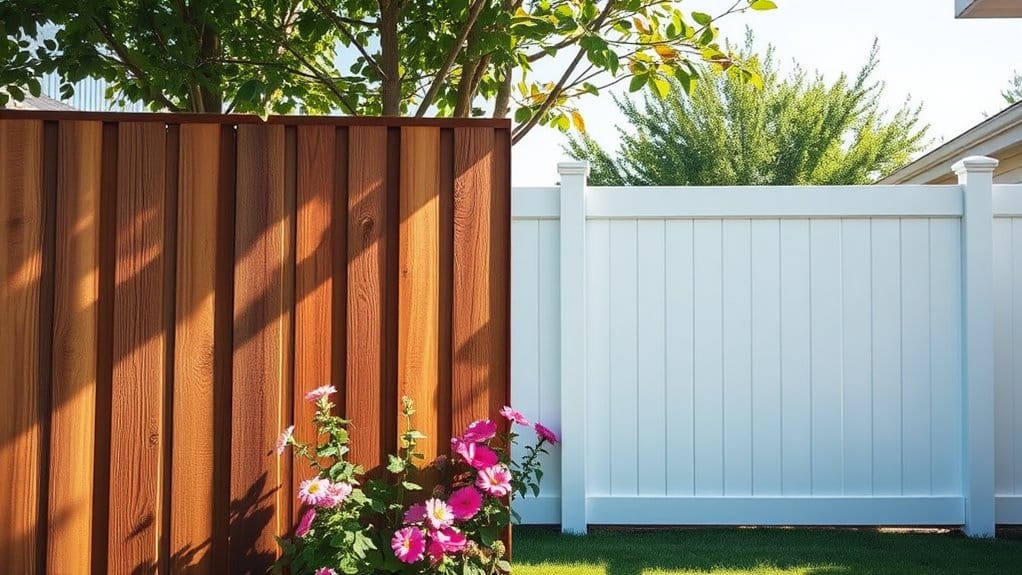
Deciding between wood and vinyl for your fence? Discover the key factors that could influence your perfect choice!
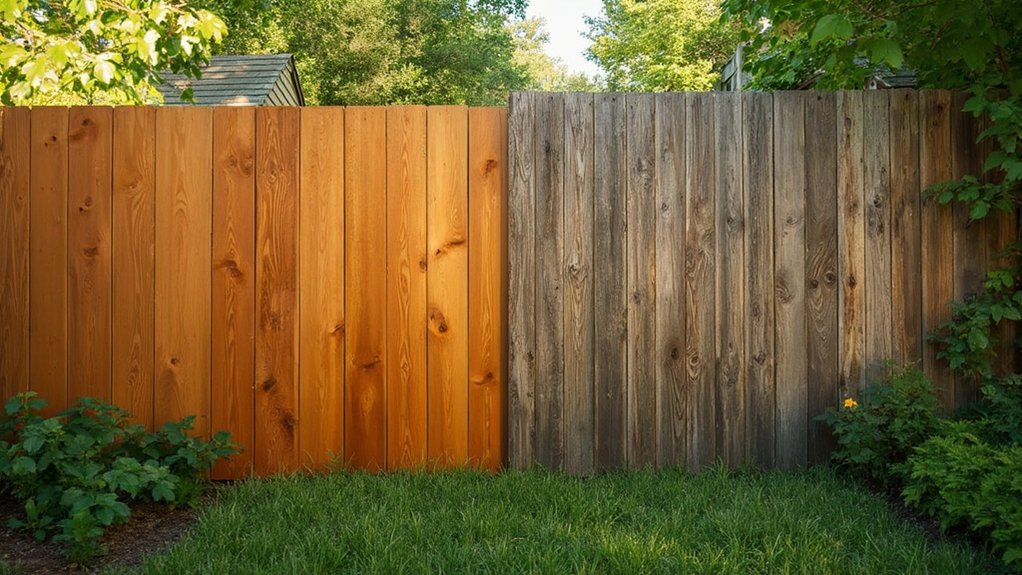
Find out which fencing option offers superior longevity and durability, and discover how your choice can impact maintenance and costs Read more
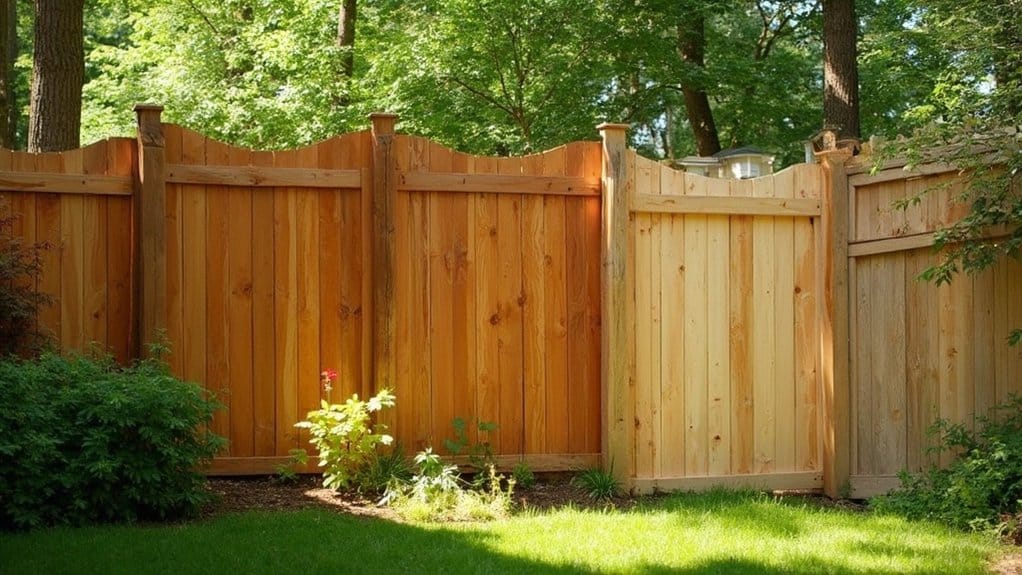
Uncover the ideal wood types for fencing that match your style and environment—each option holds secrets to durability and beauty Read more


