
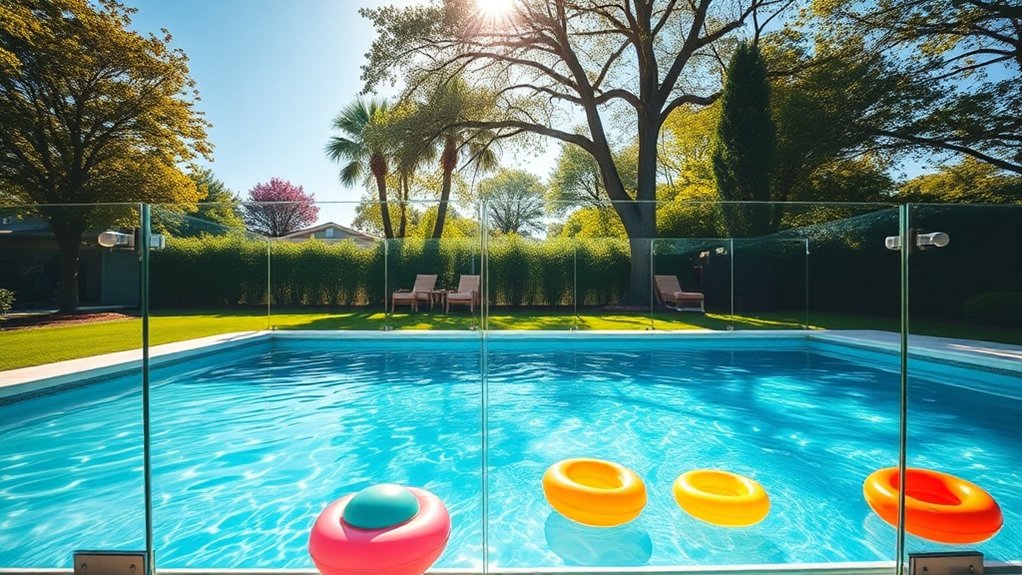
For effective childproof pool fencing, install a fence that is at least 48 inches tall, with gaps no wider than 4 inches. Make sure there are no objects nearby that kids could use to climb over the fence, and keep it at least 24 inches from the water’s edge. A self-closing gate with a latch set at least 54 inches high is a must. Regularly check the fence and gate to ensure everything is secure. For more on safety and compliance, look for additional resources.
Key Takeaways
- Install a fence that is at least 48 inches tall, with gaps no bigger than 4 inches to keep kids out.
- Use a self-closing gate with a latch that’s 54 inches high, so little hands can’t reach it.
- Position the fence at least 24 inches from the water’s edge for an extra layer of safety.
- Regularly check the fence and gate for any loose parts, rust, or sagging to ensure they are secure.
- Keep climbing aids like trees or furniture away from the fence to prevent kids from climbing over.
Understanding Pool Fencing Standards and Certifications
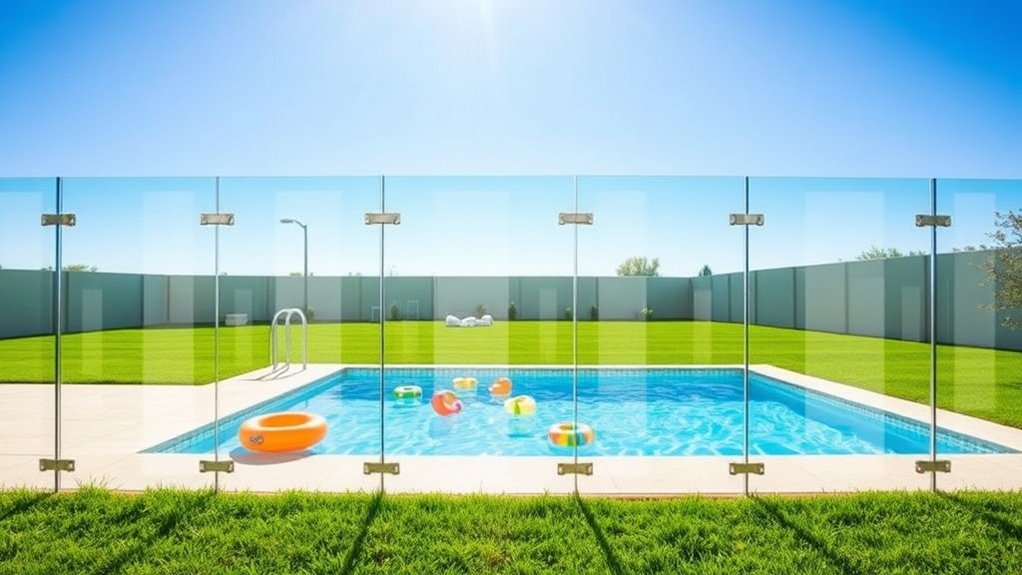
To ensure your pool area is safe, it’s crucial to understand fencing standards and certifications. Most areas require residential pool fences to be at least 48 inches high, and some even require 60 inches. Your fencing should comply with ASTM F2286 standards. While pool covers and safety nets are acceptable, permanent fences are the better option. Make sure openings are no larger than 4 inches to keep children from getting through. Local health departments enforce these rules, so check your area’s specific requirements. Additionally, local building codes can differ by city or county, making it essential to verify compliance with your local jurisdiction. Always keep records of your pool barrier certifications to avoid fines or insurance problems. Following these standards is essential for keeping kids safe, as Florida’s legal requirements emphasize the importance of pool safety compliance.
Essential Physical Requirements for Pool Barriers
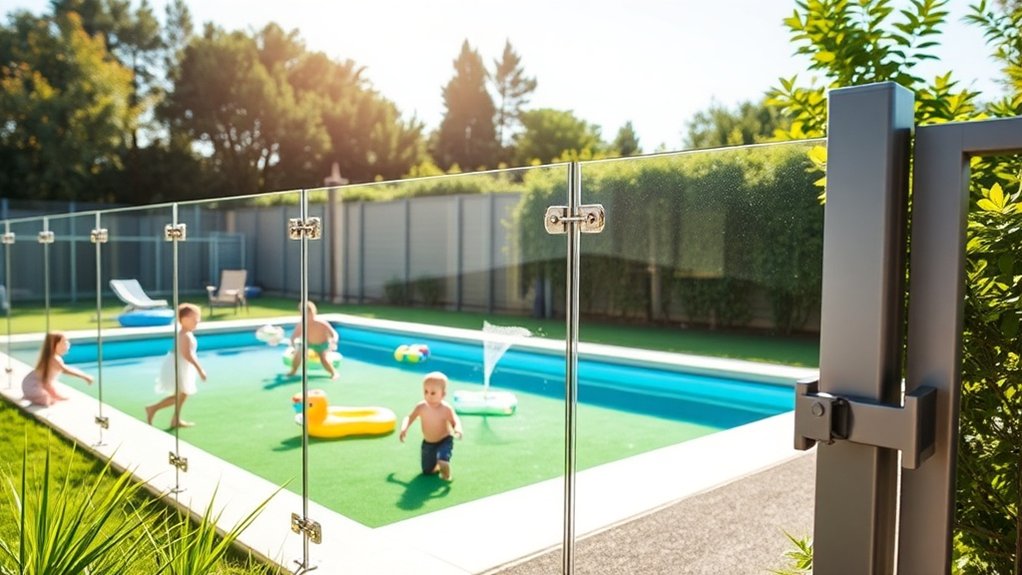
To ensure your pool area is safe, your barrier must meet specific physical requirements. Here’s what you need to know:
- Fence Height: Should be between 4 to 5 feet.
- Ground Clearance: No more than 2 inches from the ground.
- Opening Size: Mustn’t allow a 4-inch sphere to pass through.
- Climbing Prevention: Avoid footholds that children could use to climb. California Pool Safety Act requires that fences be constructed from durable, climb-resistant materials, which is crucial for effective barrier protection. Additionally, the fence design should incorporate climbing prevention features to enhance safety.
Materials like metal, mesh, or aluminum are recommended for durability.
Regularly check your barrier to ensure it remains effective and secure against unauthorized access.
Key Gate Safety Features for Effective Protection
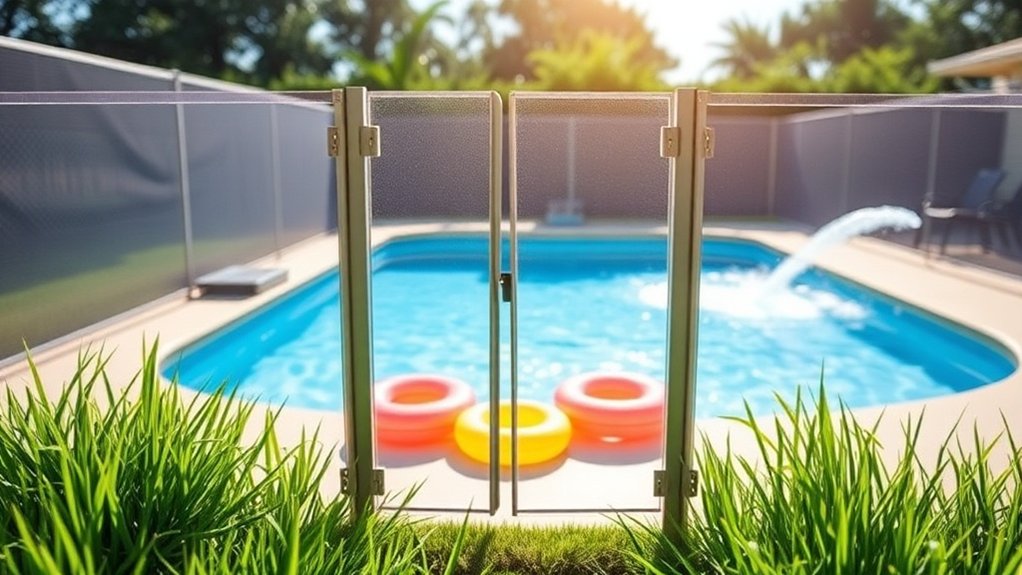
To keep your pool area safe, install a self-closing gate that automatically shuts to prevent unauthorized access. Make sure the latch is at least 54 inches high, out of reach of small children. Additionally, consider using a latch that features industry-leading magnetic latching technology for enhanced security and ease of use. Regular maintenance of security features is essential to ensure the continued effectiveness of your pool safety measures.
Self-Closing Mechanism Importance
A self-closing gate mechanism is crucial for pool safety, preventing unauthorized access by children and pets.
Its main advantage is that it automatically closes after being opened, reducing the chances of forgetting to shut it. This feature ensures a consistent barrier.
You can also adjust the closing speed and tension, which enhances both safety and accessibility.
High Latch Placement
For effective pool safety, place the latch at least 54 inches high for gates over 48 inches. This height keeps it out of reach of children.
Ensure the latch mechanism is secure and can’t be accessed from the outside to prevent unauthorized entry. Gates should swing outward and have no gaps larger than ½ inch within 18 inches of the latch.
Regularly check that the latch works smoothly from all angles. Following these guidelines not only keeps your kids safe but also meets local regulations, giving you peace of mind.
Guidelines for Proper Installation and Placement
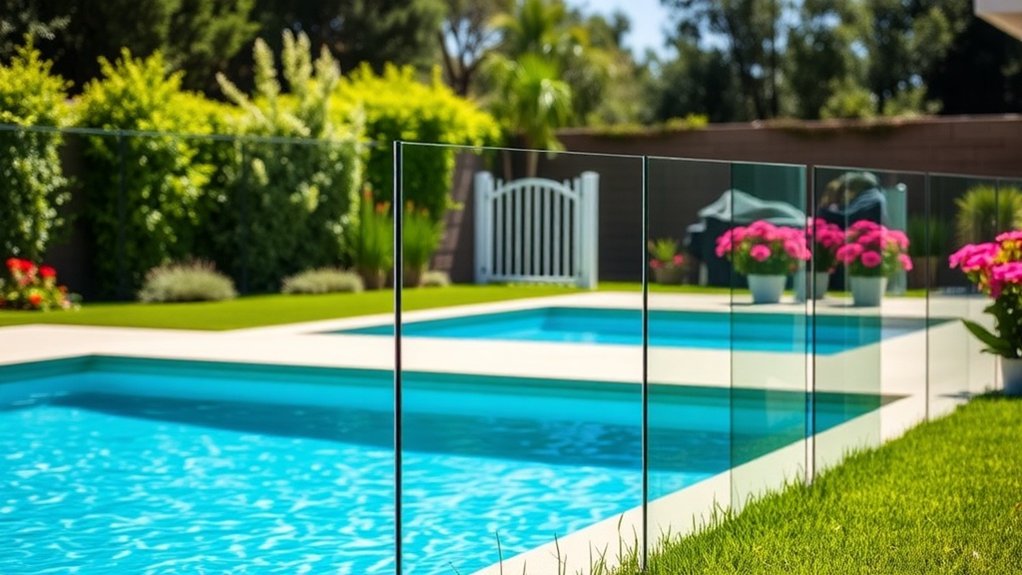
When installing pool fencing, prioritize both height and placement for safety. The fence should be at least 4 feet high, and gaps must be small enough to prevent a 4-inch sphere from passing through. This is crucial for keeping kids safe.
Also, place the fence at least 24 inches away from the water’s edge to discourage easy access and create a safe walking space.
Fence Location Considerations
Choosing the right spot for your pool fence is crucial for child safety. Here are some straightforward tips:
- Make sure the fence surrounds the entire pool area without gaps.
- Stay clear of climbing aids like trees or furniture that kids could use to climb over.
- Ensure the fence fits nicely with your yard while still prioritizing safety.
Height and Gap Requirements
To ensure child safety around pools, it’s crucial to follow height and gap requirements for fencing. Most places require a minimum height of 48 inches, with some states like California needing at least 60 inches. Insurance guidelines may even recommend taller fences for extra security.
Gaps are also important: no openings should allow anything larger than 4 inches through. Vertical slats should be spaced no more than 1¾ inches apart, and the bottom clearance should be kept to 2 inches or less.
Regular maintenance checks are essential to keep these standards in place and avoid hazards. Stick to these guidelines to create a safe pool area for kids.
Navigating State-Specific Legal Requirements
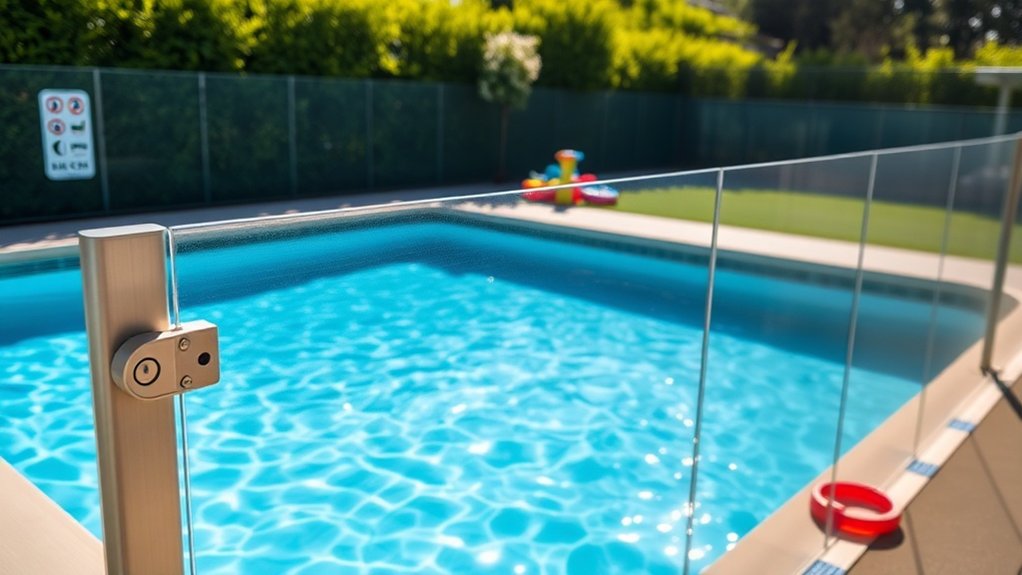
Navigating state-specific pool fencing laws can be tricky, but it’s essential to stay compliant. Here are some straightforward tips:
- Know your local laws: Each state has its own regulations. For instance, California’s SB442 requires specific safety features for pool fencing.
- Regular inspections: Schedule routine checks to ensure your pool fencing meets safety standards and avoid potential liabilities.
- Keep informed: Laws can change, so stay updated to ensure your pool remains safe and compliant.
Additional Safety Considerations for Pool Fencing
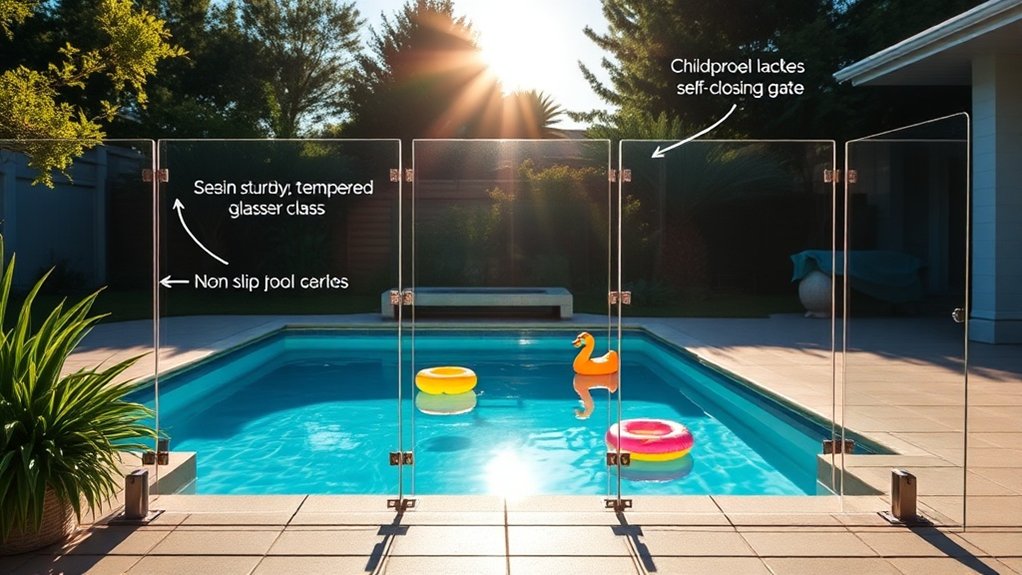
To ensure your pool is safe for children and pets, follow these key fencing guidelines.
First, choose sturdy materials that can withstand weather conditions for long-lasting use. Make sure gaps in the fence are no larger than 4 inches, and space vertical slats no more than 1.75 inches apart.
Install gates that close and latch automatically, using childproof locks positioned out of reach. Adding pool alarms to gates can alert you if someone tries to enter the pool area.
Lastly, keep the fence clear of climbable objects to maintain a secure environment.
Importance of Regular Inspections and Maintenance
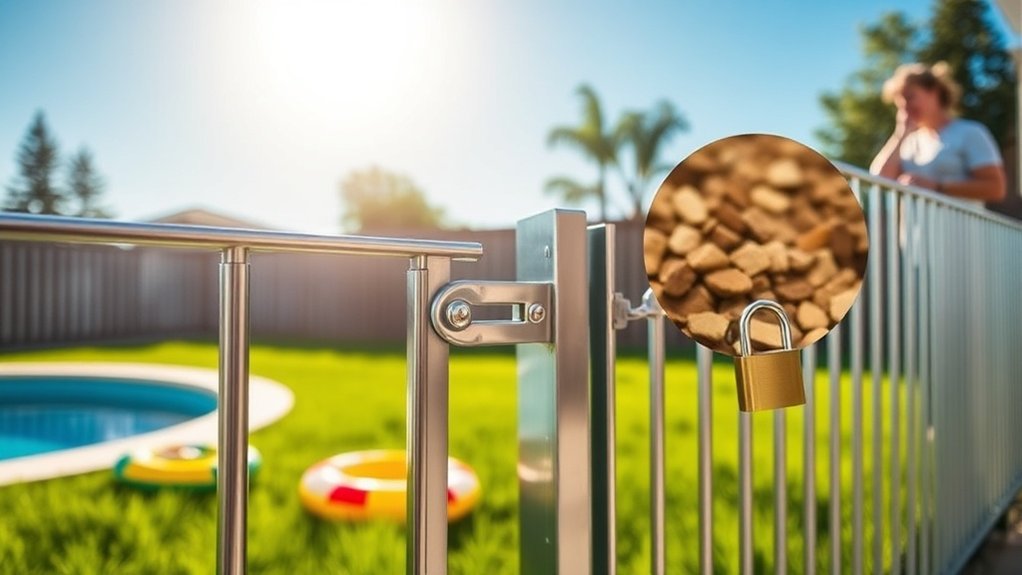
To keep your pool area safe, simply installing a childproof fence isn’t enough; it requires regular inspections and maintenance.
Here’s why it matters:
Regular inspections catch issues early, avoiding costly repairs and enhancing safety.
Here are some quick maintenance tips:
- Check for loose screws, sagging sections, or rust every month.
- Ensure gate mechanisms work properly to prevent unauthorized entry.
- Clean and tighten components every season for stability.
These steps not only prolong your fence’s lifespan but also protect your loved ones.
A well-maintained fence is essential for preventing accidents.
Make inspections a priority and follow these maintenance tips to keep your pool area safe for everyone.
Frequently Asked Questions
What Types of Materials Are Best for Pool Fencing?
For pool fencing, aluminum is a great choice for its durability and low upkeep. Glass barriers offer excellent visibility and a sleek look. Both options improve safety and style in your backyard, creating a secure environment for everyone.
How Often Should I Inspect My Pool Fence?
Inspect your pool fence like you would check the locks on your doors. Aim to do it at least twice a year. Regular checks help ensure it remains strong and compliant, keeping your pool safe and secure.
Are There Decorative Options for Pool Fencing?
Yes, there are many decorative options for pool fencing. You can choose from materials like glass for a sleek look, wrought iron for elegance, or vinyl for a modern vibe. Each option adds beauty while keeping your pool safe. Select the style that best fits your space and personal taste.
Can Pets Access the Pool Area Through the Fence?
No, pets shouldn’t access the pool area if you have a properly installed fence that’s at least 4 feet high. Ensure the gates are secure to keep pets safe and prevent accidents around the pool.
What Is the Average Cost of Installing Pool Fencing?
The average cost to install pool fencing is between $1,500 and $13,500, depending on the materials and installation choices. It’s important to compare both budget-friendly and premium options to ensure your pool area is safe and affordable. For instance, chain link might be cheaper, while glass panels offer a sleek look but at a higher price.
Conclusion
In summary, childproofing your pool with proper fencing is crucial for safety. Drowning is a top cause of accidental death for kids aged 1 to 4. To minimize risks, follow fencing standards, install secure gates, and conduct regular maintenance. Stay updated on local laws, as a well-built barrier can prevent tragedies. Your child’s safety around water is a top priority—it’s worth the effort.
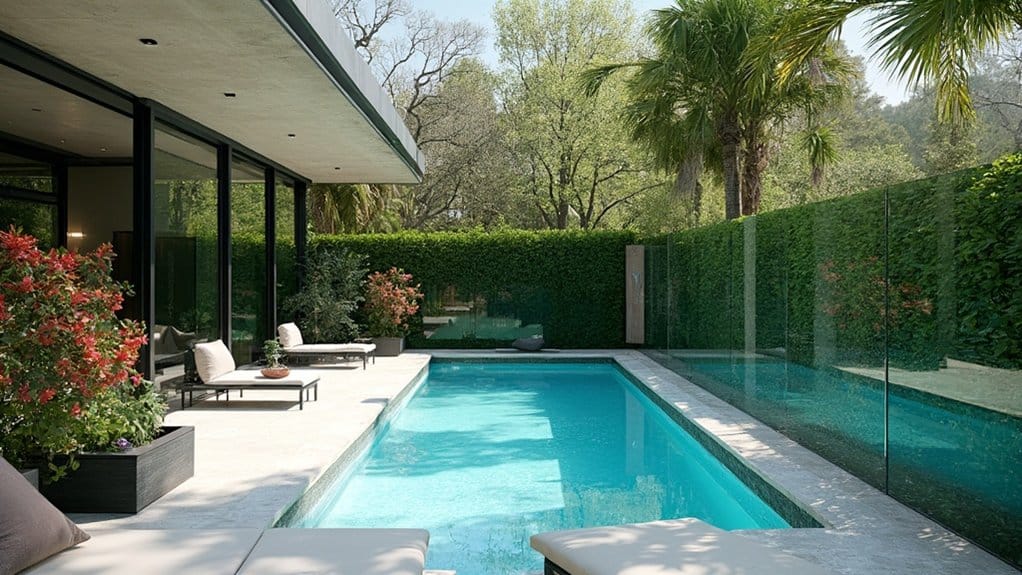
Find the perfect pool fencing ideas that blend safety and style to elevate your backyard oasis—discover what options await you!
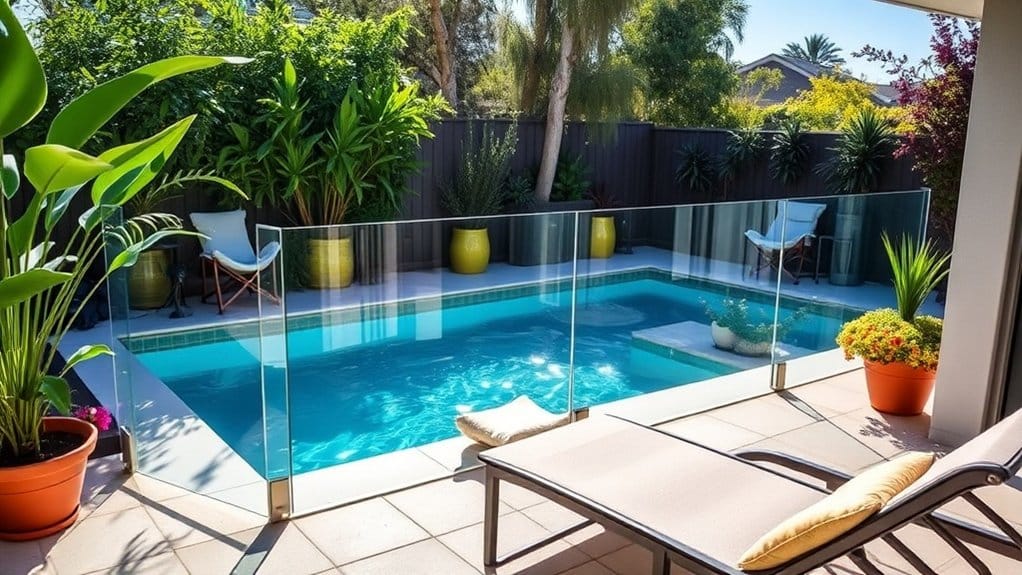
In small backyards, discover how to maximize space and safety with innovative pool fencing solutions that will transform your outdoor Read more
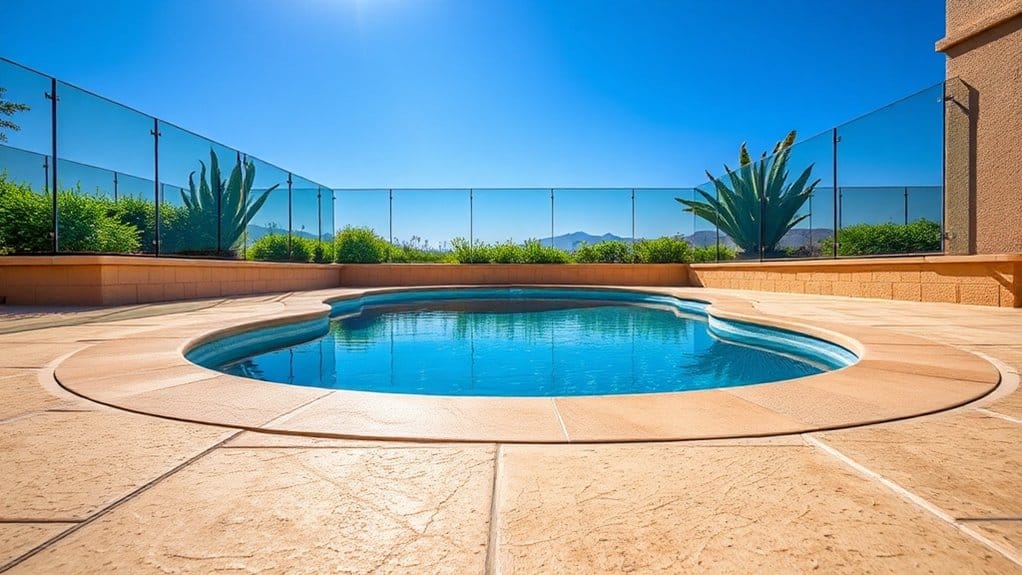
Find the perfect non-slip surfaces to complement your pool fencing and enhance safety—discover unique options that transform your pool area Read more


