
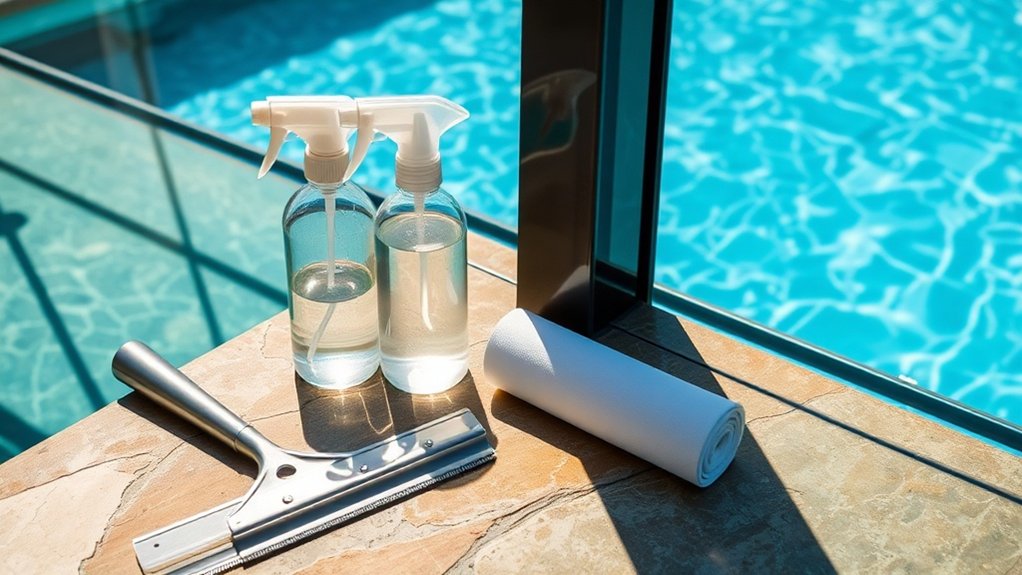
To keep your glass pool fencing in top shape, clean it with warm soapy water and white vinegar regularly. For stubborn mineral deposits, use specialized water spot removers. Stick to non-abrasive tools like microfiber cloths and soft sponges to avoid scratches, and finish with a squeegee for a streak-free look. Regularly check for wear to ensure safety, and consider applying protective coatings for added durability. Follow these tips to extend the life of your glass fencing.
Key Takeaways
- Clean glass pool fencing regularly with warm soapy water or white vinegar; it’s both effective and cost-efficient.
- Use non-abrasive tools like microfiber cloths and soft sponges to prevent scratches during cleaning.
- Consider protective coatings like EnduroShield to repel stains and minimize cleaning frequency.
- Regularly check and document your glass fencing’s condition to spot wear or damage early.
- For tough stains, use CLR Calcium Lime & Rust Remover, and opt for stainless steel hardware for added durability.
Essential Cleaning Products for Glass Pool Fencing
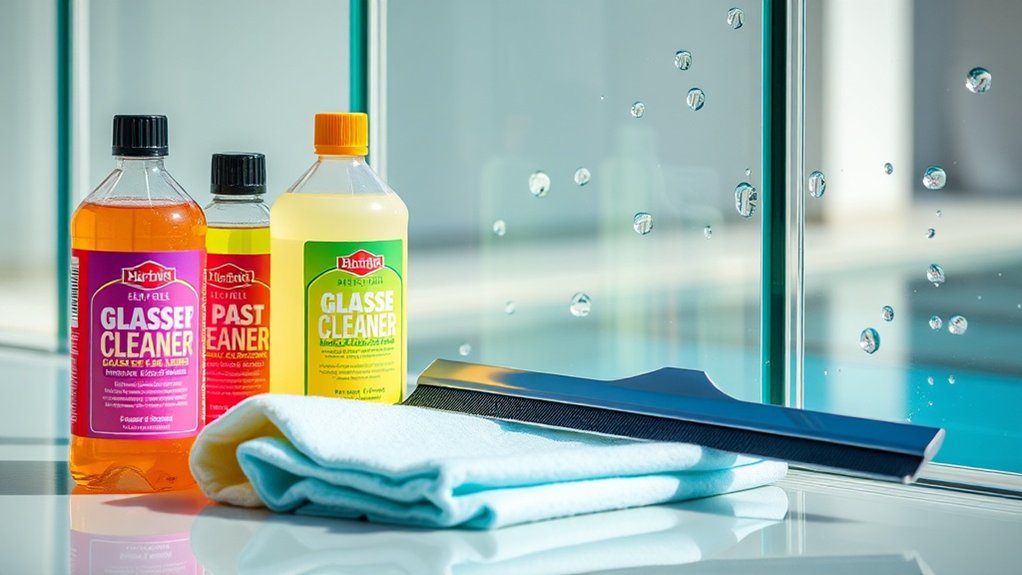
To keep your glass pool fencing looking great and lasting longer, it’s crucial to use the right cleaning products. Hard water spots and mineral deposits can be tough to tackle.
For regular cleaning, warm soapy water and white vinegar work well and are budget-friendly. For stubborn stains, try CLR Calcium Lime & Rust Remover or specialized water spot removers. Avoid abrasive cleaners, as they can scratch the glass.
Consider using protective coatings like EnduroShield or Nanoman Glass Coating, which can reduce the frequency of cleaning and increase durability, as they are water repellent and help prevent dirt and contaminants build-up.
Always check that products are compatible with your glass and opt for eco-friendly options to help maintain clarity while minimizing chemical use.
Recommended Cleaning Tools and Techniques
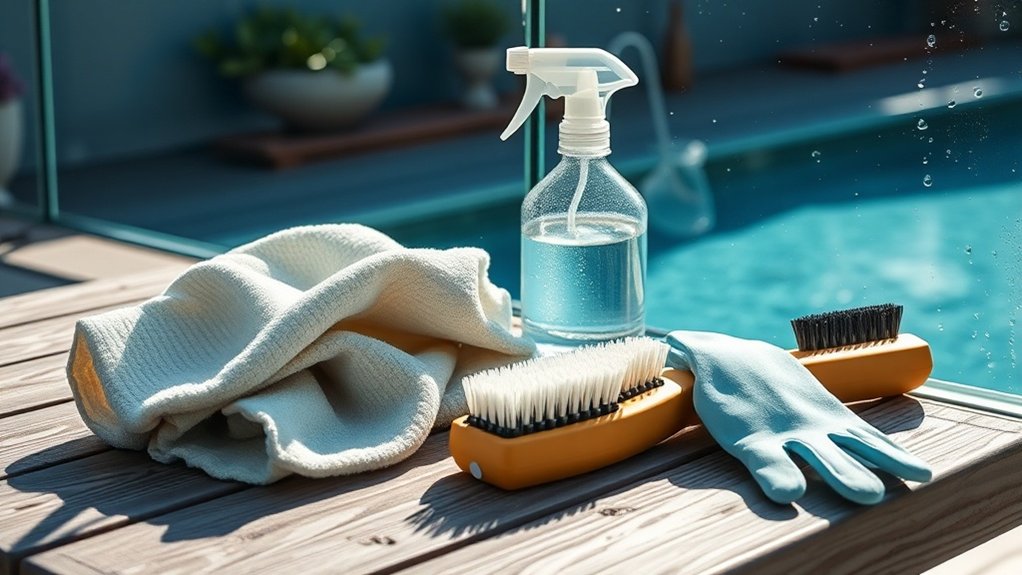
To keep your glass pool fencing looking great, use the right cleaning tools and techniques.
Start with non-abrasive items like microfiber cloths and soft sponges to avoid scratches. Use a garden hose to rinse off loose dirt, then apply a mild dish detergent solution with a window washer. Regular cleaning is essential for maintaining glass integrity, so make sure to clean your pool fence frequently. Finish up with a squeegee for a streak-free shine. Wipe down edges with a lint-free microfiber cloth to prevent water spots.
For tough cleaning jobs, consider robotic cleaners or ergonomic window tools. Remember to replace worn tools regularly for the best results.
Maintenance Best Practices for Glass Pool Fencing
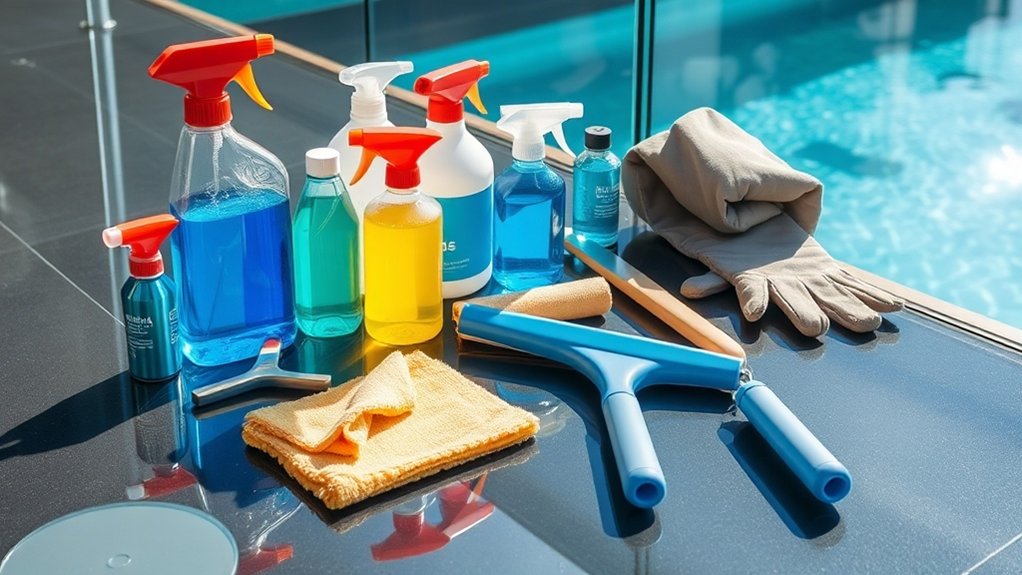
To keep your glass pool fencing in top shape, set up a regular inspection schedule to spot any wear or damage early. Clean it consistently to avoid buildup that can affect both its look and safety. For added protection, apply coatings to hardware to boost durability and resist corrosion, especially in harsh environments. Regular maintenance is essential for preventing long-term damage to both glass panels and metal fittings.
Regular Inspection Routine
Regular inspections of glass pool fencing are crucial for safety and compliance with local regulations.
To ensure effective inspections, follow these four simple steps:
- Identify Fence Type: Determine what type of glass fence you have to tailor your inspection approach.
- Check for Damage: Look for cracks in the glass and inspect fittings for signs of wear or rust.
- Verify Safety Standards: Ensure the fence height meets local codes and check for any gaps that might be unsafe.
- Keep Records: Document your inspections and any repairs to monitor the condition of the fence over time.
Cleaning Frequency Importance
To keep your glass pool fencing safe and attractive, it’s important to clean it regularly. Your cleaning schedule should adapt to the seasons and your environment.
For instance, if you live near the coast or have a frequently used pool, aim for monthly or even weekly cleanings to handle salt and chemical buildup. In dusty areas, biweekly cleanings can help maintain clarity.
For low-traffic pools, cleaning every 2-3 months might suffice, although this is uncommon. Regular cleaning prevents dirt buildup, keeps the glass clear, and protects against long-term damage.
Protective Coating Application
Applying a protective coating to your glass pool fencing boosts both durability and appearance. Here’s how to achieve the best results:
- Prepare Surfaces: Clean and dry the glass thoroughly for better adhesion.
- Apply Evenly: Use microfiber cloths or sprayers to apply a thin, even coat following the manufacturer’s guidelines.
- Choose Conditions Wisely: Avoid applying in direct sunlight or high humidity to ensure proper curing.
- Regular Maintenance: Reapply every 2-3 years, based on exposure.
Use a hose and squeegee after application for optimal performance.
Importance of Regular Inspections
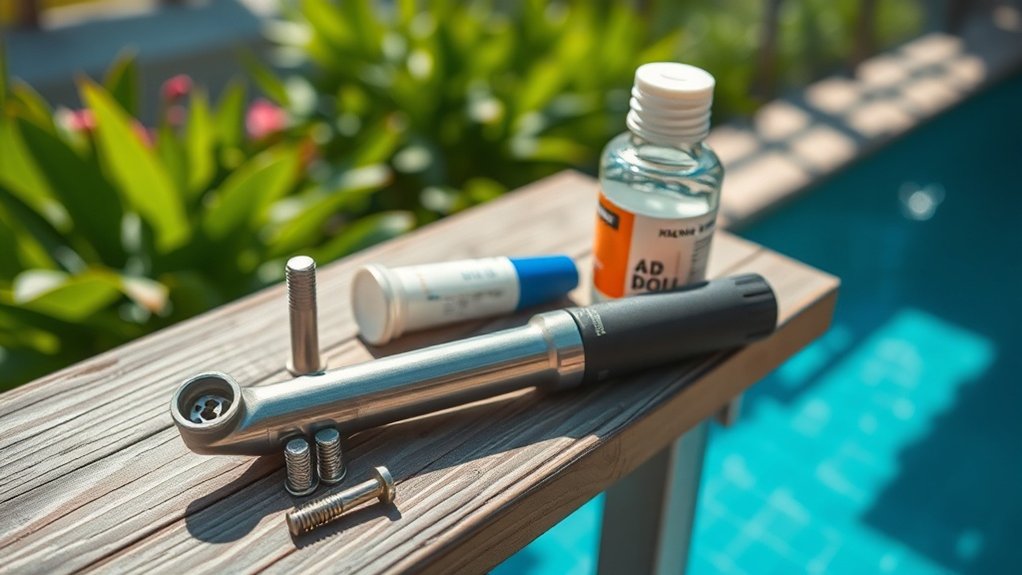
Regular inspections are crucial for maintaining the safety and integrity of your glass pool fencing. They help protect the pool area and ensure compliance with safety regulations. Using an inspection checklist allows you to effectively assess the condition of your fencing.
| Inspection Focus | Benefits |
|---|---|
| Structural Integrity | Prevents damage to barriers |
| Compliance | Ensures legal adherence |
| Environmental Impact | Detects weather-related wear |
| Safety Verification | Improves visibility and security |
Conducting regular inspections helps you spot issues early and prolongs the life of your fence. By quickly addressing problems like rust or misalignment, you can avoid expensive repairs and keep your pool area safe. Regular upkeep ensures safety compliance and enhances the overall appearance of your pool fencing.
Protective Coatings for Enhanced Durability
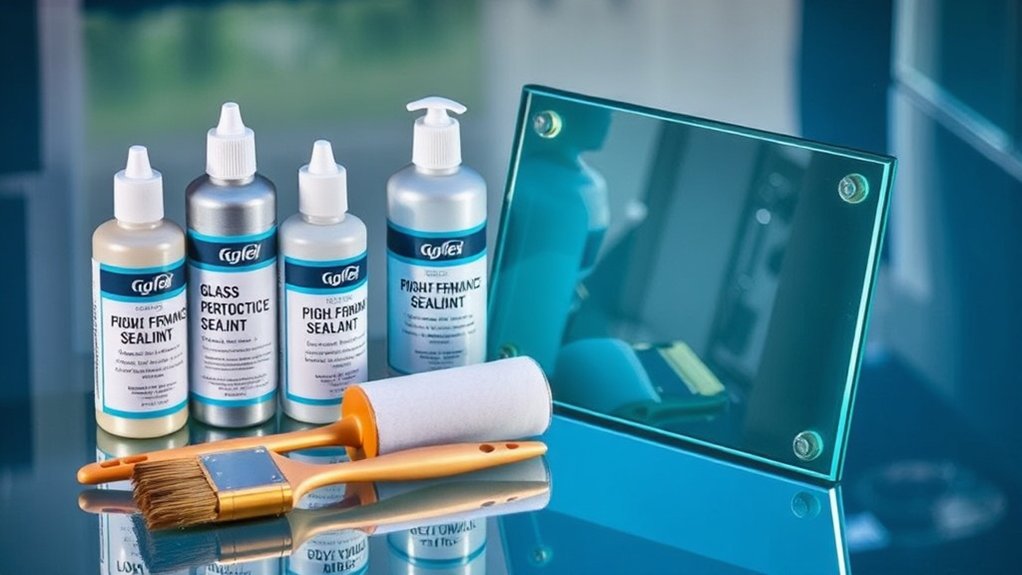
Protective coatings boost the durability of glass pool fencing by repelling stains and reducing maintenance.
Follow application guidelines for optimal performance and choose recommended products for the best results.
Investing in these coatings not only extends your fencing’s lifespan but also makes cleaning easier.
Benefits of Protective Coatings
Protective coatings for glass pool fencing offer significant advantages beyond looks.
Here are the key benefits:
- Water Repellency: Coated glass repels water, reducing streaks and spots.
- Stain Protection: These coatings guard against dirt, salt, and chlorine, helping to prevent stains and etching.
- Easier Cleaning: Coated surfaces can cut cleaning time by up to 90%, making maintenance much simpler.
- Chemical Resistance: High-quality coatings resist pool chemicals, keeping the glass clear and intact.
Application Frequency Guidelines
To keep your glass pool fencing in top shape, it’s important to follow application frequency guidelines for its protective coating.
Generally, these coatings last up to three years, but factors like coastal conditions or dusty environments may require you to reapply sooner.
Regularly check the coating’s condition to see if it needs reapplication or additional cleaning.
High-quality options like EnduroShield are designed to be durable, reducing how often you need to reapply.
Recommended Coating Products
When selecting a coating for your glass pool fencing, it’s important for durability and appearance.
Here are some top recommendations:
- EnduroShield: This coating uses nanotechnology to create a permanent water-repellent surface, making cleaning a breeze.
- Nanoman Glass Coating: Known for its resistance to scratches and UV rays, this eco-friendly product can cut your cleaning time significantly.
- Ceramic Coatings: These form a strong bond that protects against UV damage and stains, extending the life of your glass.
- Sealants: You can choose spray-on for larger areas or wipe-on for detailed work based on your maintenance needs.
Using these coatings not only boosts durability but also makes it easier to keep your glass pool fencing looking great.
Tools for Effective Repairs and Touch-Ups
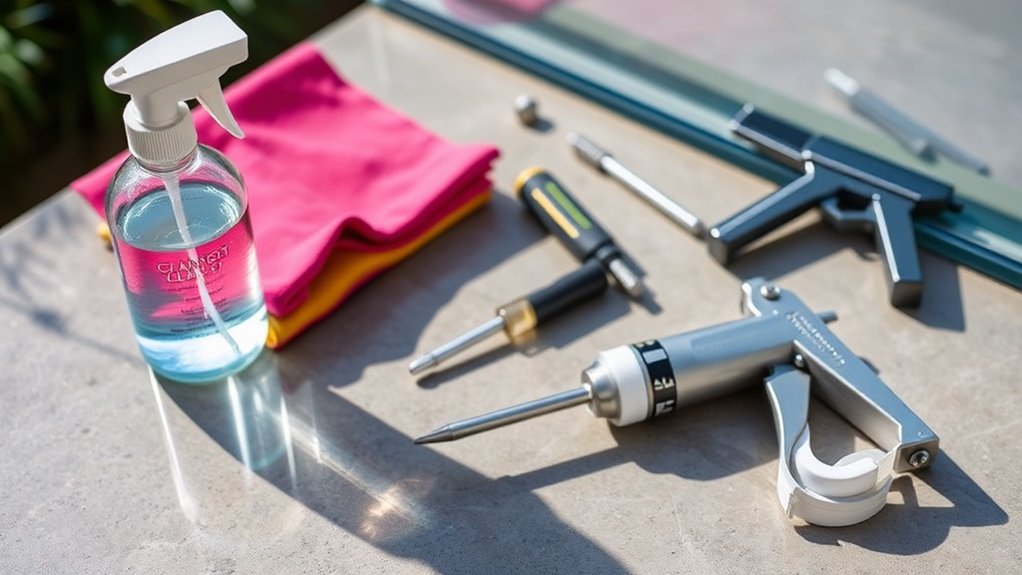
To effectively repair and touch up glass pool fencing, having the right tools is crucial.
Start by using assessment tools to pinpoint any hidden issues. Glass panel replacement kits are essential, offering new panels and installation hardware that meet safety standards.
Use stainless steel or marine-grade hardware for durability during reattachment. To seal gaps and prevent moisture buildup, invest in new gaskets and seals.
After repairs, clean the area with non-abrasive cleaners and soft cloths. For scratches, apply grinding and polishing techniques.
Regularly check the tightness of the hardware to ensure safety and maintain the appearance of your glass pool fencing.
DIY vs. Professional Maintenance Options
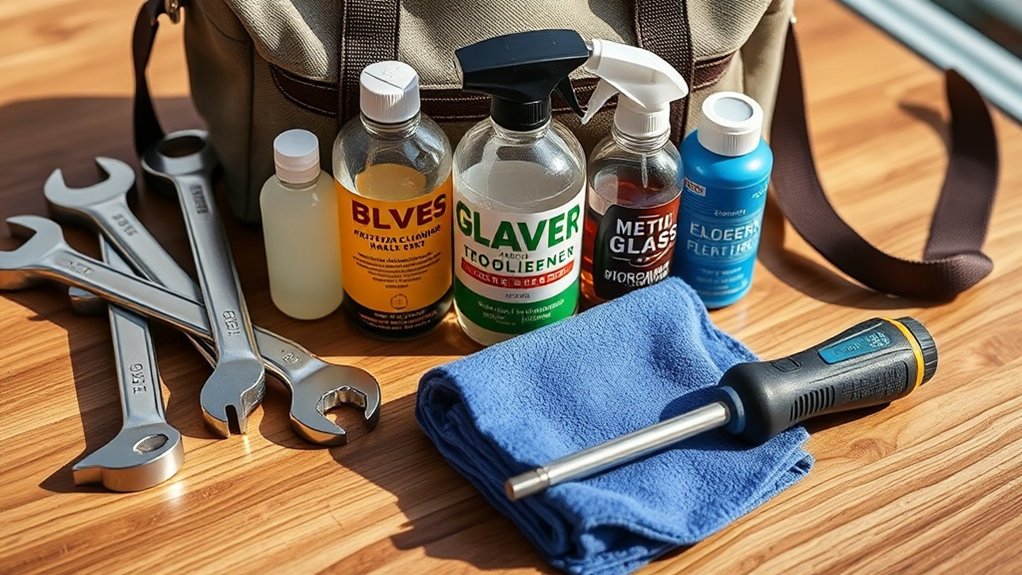
When it comes to maintaining glass pool fencing, it’s important to weigh the pros and cons of DIY versus professional help. Here’s a quick breakdown:
- Cleaning Schedule: DIY methods usually stick to a set routine, while pros adjust their schedules based on local weather and usage.
- Cleaning Products: DIYers typically use basic detergents and cloths, but professionals have access to specialized cleaners that can provide better results and long-lasting protection.
- Inspection: When you do it yourself, you might only notice obvious issues. In contrast, professionals can spot minor problems before they become major headaches.
- Protective Treatments: Pros often apply high-quality coatings that can protect your fencing for years, while DIY treatments may not be as effective.
Choosing the right maintenance approach can significantly impact the safety and lifespan of your glass pool fencing.
Frequently Asked Questions
How Often Should Glass Pool Fencing Be Cleaned?
Set a cleaning schedule based on where you live. If you’re near the coast, clean your glass pool fencing once a month. For inland areas, every three months is usually sufficient, but adjust as needed if you notice dirt buildup.
What Are the Signs of Damage to Glass Pool Fencing?
Check your glass pool fence for cracks, loose panels, or rusted hardware. These issues can compromise stability and safety, so address them promptly.
Can I Use Vinegar to Clean My Glass Pool Fence?
Yes, you can use vinegar to clean your glass pool fence. Its natural acidity helps remove stains without damaging the glass. Regular use keeps the glass clear and free of buildup, ensuring it looks good and functions well.
How Do I Remove Scratches From Glass Panels?
To remove scratches from glass panels, try using glass polishing compounds or a fine steel wool pad. For small scratches, a paste made from baking soda or toothpaste can work well—just buff it gently. Always test these methods on a hidden spot first to ensure they won’t damage the glass.
What Is the Lifespan of Glass Pool Fencing?
Glass pool fencing is built to last, typically enduring between 10 to 30 years. To extend its life, keep it clean and address any repairs quickly.
Conclusion
Maintaining your glass pool fencing is crucial for both appearance and safety. Using the right cleaning tools and products ensures your fencing stays clear and sturdy. Regular inspections and protective coatings can significantly prolong its lifespan. Are you willing to spend a little time to keep your pool area looking great? Whether you tackle it yourself or hire a professional, consistent maintenance is worth it in the end.

Find the perfect pool fencing ideas that blend safety and style to elevate your backyard oasis—discover what options await you!

In small backyards, discover how to maximize space and safety with innovative pool fencing solutions that will transform your outdoor Read more

Find the perfect non-slip surfaces to complement your pool fencing and enhance safety—discover unique options that transform your pool area Read more


