
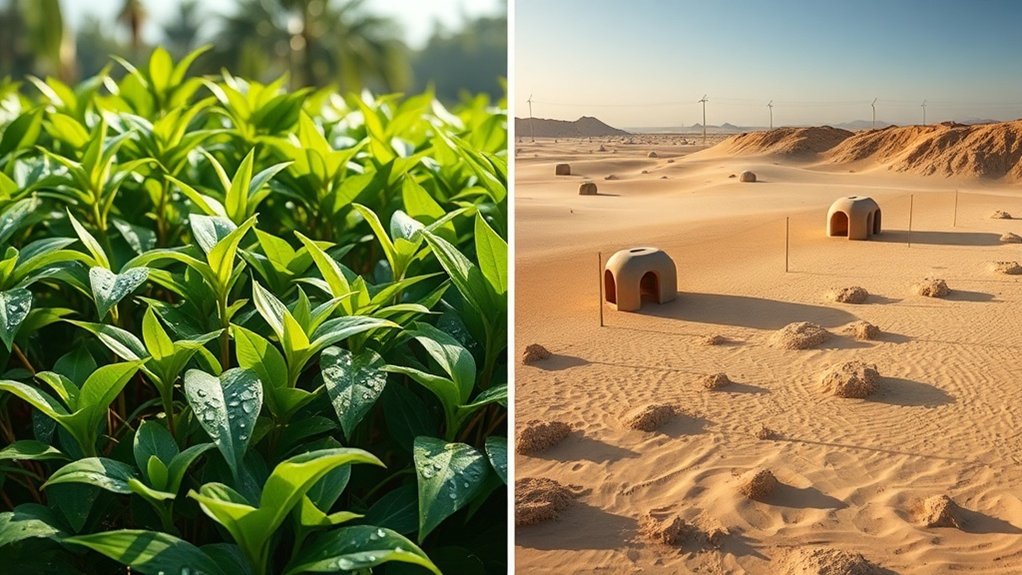
Adjusting your installation approach for different climates is key to boosting energy efficiency. In colder regions, prioritize insulation and building orientation to reduce heat loss. For warmer climates, use shading techniques and design elements that limit heat gain. Smart technologies can optimize HVAC systems and improve comfort. Tailoring your strategies to the climate can significantly enhance performance and sustainability. Explore more effective techniques to maximize your results.
Key Takeaways
- Adjust insulation levels based on climate: colder regions need R-20 or more, while warmer areas require R-5 to R-13.
- Optimize building orientation: in cold climates, position homes for passive heating; in hot climates, align them north-south to reduce sun exposure.
- Use thermal mass effectively: choose dense materials for areas with big temperature swings and lighter materials for hot, humid climates.
- Plant vegetation wisely: deciduous trees offer shade in summer, while evergreens let in winter sunlight, boosting energy efficiency.
- Upgrade HVAC systems with smart tech and renewable options for better efficiency—proper installation is key to performance.
Building Orientation Strategies

When planning your building’s orientation, consider your local climate.
In cold areas, position your building slightly east of south to capture morning and afternoon sun for better passive heating.
In hot climates, align the long side of your building north-south to reduce sun exposure and heat gain.
For temperate zones, aim for a 15°–17° east of south orientation for a good balance of seasonal sun.
Remember to take solar angles into account to manage heat effectively.
Also, consider the wind direction to improve natural ventilation, which can enhance comfort and lower energy bills.
Proper orientation can significantly reduce your heating and cooling costs, as compact building shapes minimize heat gain during the day and loss at night.
Aspect Ratio Considerations

Building orientation is crucial for energy efficiency, but aspect ratio also significantly impacts performance in different climates. For optimal energy performance, tailor the aspect ratio to your environment.
In cold climates, a longer shape with an aspect ratio of about 1:3.3 helps reduce heat loss. In contrast, a more compact ratio of around 1:2 is better for balanced window-to-wall ratios. High thermal resistance materials can further aid in minimizing heat loss in these designs.
In warm climates, lower aspect ratios minimize heat gain by reducing the exposed surface area. Additionally, cylindrical or cubic shapes can enhance energy performance due to better surface-area-to-volume ratios.
Utilizing Thermal Mass Effectively

To use thermal mass effectively, consider material properties and climate.
In areas with big temperature changes, high-density materials like concrete and brick are ideal as they absorb heat during the day and release it at night. The ability of a material to absorb, store, and release heat is crucial in maximizing the benefits of thermal mass.
In hot, humid climates, lightweight materials help avoid heat retention.
For mixed climates, thermal mass can help balance heating in winter and cooling in summer, but you’ll need to adjust for the seasons.
Place thermal mass within the building’s envelope and ensure it’s exposed to maximize heat transfer.
Combining insulation and proper orientation will help you make the most of thermal mass, reducing energy use and enhancing comfort.
Incorporating Vegetation and Shading

Using thermal mass effectively is enhanced by adding vegetation and shading.
For instance, planting deciduous trees on the south side of a building provides summer shade while allowing winter sunlight to warm the space. Trees with lower crowns on the west can block harsh late afternoon sun without interfering with solar panels.
In hot climates, choosing native and drought-resistant plants ensures both resilience and water savings. Be mindful of placing evergreens to avoid blocking sunlight during colder months.
This strategy not only cuts cooling costs but also creates a comfortable, sustainable living space tailored to your climate.
Insulation Requirements for Different Climates

Insulation is key to energy efficiency in your home, especially when considering climate.
North America is divided into eight climate zones by the International Energy Conservation Code, each with specific insulation requirements. For example, colder zones (6-8) typically need wall insulation of R-20 or more, while warmer zones (1-3) usually require R-5 to R-13.
Roof insulation also varies, with colder areas needing R-49 or higher.
To improve insulation, continuous insulation is recommended to reduce thermal bridging, and air sealing is crucial to prevent leaks.
Adaptive Building Envelopes for Climate Resilience

When looking at adaptive building envelopes, think about how dynamic windows can let in natural light while reducing heat gain.
Automatic shading systems help keep indoor temperatures comfortable and save energy.
Adding green roofs not only insulates buildings but also supports biodiversity, creating a more resilient environment.
Dynamic Window Technology
Dynamic window technology transforms building design with smart windows that adapt to changing weather. By using materials like electrochromic and thermochromic components, these windows can adjust their tint to control light and heat.
For example, in hot climates, they can cut cooling energy costs by up to 30%. In colder areas, they help capture sunlight to keep buildings warm while reducing heat loss, improving comfort for occupants.
These windows come equipped with sensors that automatically adjust based on real-time weather changes, optimizing energy use. Additionally, phase change materials in the glass help with temperature regulation.
Automatic Shading Solutions
Automatic shading solutions are key innovations in building design, improving climate adaptability by responding smartly to environmental changes. These systems enhance indoor comfort and significantly cut energy costs. For instance, automated insulating shades can reduce HVAC loads by up to 25%, while electrochromic solutions allow for dynamic tint adjustments based on sunlight.
| Type of Automatic Shading | Energy Savings Potential |
|---|---|
| Automated Insulating Shades | Up to 25% |
| Biobased Shading Elements | Eco-friendly & Efficient |
| Hygromorphic Bilayers | Adapts to weather conditions |
| Electrochromic Solutions | Adjustable tint for light control |
With the market for these systems expected to reach USD 45.53 billion by 2033, investing in automatic shading not only boosts building value but also supports sustainability efforts.
Green Roof Benefits
Green roofs are an innovative design feature that adapt well to various climates. They offer significant benefits, such as improved energy efficiency by reducing HVAC use and lessening urban heat island effects.
In hot-humid and hot-dry areas, they thrive, especially when paired with proper irrigation and a mix of plant species. Adequate soil depth also enhances their insulating properties, making them even more effective.
Moreover, green roofs manage stormwater efficiently, helping to solve urban drainage issues and fostering biodiversity. By incorporating green roofs into your building design, you can create a more resilient and energy-efficient environment that enhances urban living.
Sustainable Material Selection

When choosing sustainable materials for construction, consider the local climate, as it significantly impacts energy efficiency and performance. Biodegradable options like hemp and bamboo are great choices because they reduce your carbon footprint and offer excellent thermal regulation. Here’s a quick guide:
| Climate Type | Recommended Materials |
|---|---|
| Hot-Dry | Reflective roofing, adobe |
| Humid/Coastal | Treated wood, fiber cement |
| Cold | High insulation materials |
| Temperate | Brick, stone |
Selecting these materials enhances durability and reduces environmental impact. By focusing on sustainability, you can build a more resilient and efficient structure suited to its climate. Additionally, incorporating eco-friendly fencing materials can further improve the sustainability of your construction project.
Integrating Technology for Climate Adaptation

As climate challenges grow, using technology for adaptation is crucial for building resilient infrastructures. Digital monitoring and climate forecasting can significantly improve decision-making.
For example, tools like climate risk mapping and early warning systems help track environmental changes, allowing for timely responses to risks. Smart building systems with IoT sensors can adjust indoor conditions for better comfort and energy efficiency.
Pairing these technologies with nature-based solutions, like green roofs, provides sustainable cooling alternatives. Ensuring everyone has access to these tools helps optimize resources and enhance resilience, leading to a more adaptive built environment.
Retrofitting Existing Structures for Efficiency

To retrofit existing buildings for better energy efficiency, prioritize insulation upgrades, window replacements, and HVAC modernization.
For instance, adding high-quality insulation can keep your space warmer in winter and cooler in summer, while energy-efficient windows can reduce heating and cooling costs.
Upgrading your HVAC system can also lead to significant savings on energy bills.
Insulation Upgrades Importance
Upgrading insulation is crucial for improving energy efficiency in homes, especially since many U.S. houses have insufficient insulation.
By adding the right insulation and sealing air leaks, homeowners can save between 10% and 45% on energy bills. In older homes, significant upgrades can cut energy use by up to 79%, which helps reduce carbon emissions.
With around 46 million homes needing better insulation, these upgrades offer great potential for savings and sustainability.
Better insulation not only makes your home more comfortable but also reduces harmful pollutants, benefiting public health.
Investing in insulation isn’t just about saving money; it’s a step toward a healthier planet and a stronger economy, while also boosting your property’s value.
Window Replacement Benefits
Upgrading your windows significantly boosts your home’s energy efficiency, especially if you have older, drafty models.
Replacing single-pane windows can cut heating and cooling costs by 25-30%. Installing new windows during colder months can maximize their benefits.
For example, triple-pane windows provide excellent insulation with R-values up to R-5, and low-e storm windows can reduce winter HVAC energy use by 8.1%.
Adding exterior shading also improves energy performance in warmer areas.
These upgrades not only lower energy bills but also increase your home’s resale value, making them a smart investment.
HVAC Modernization Strategies
As energy efficiency becomes increasingly important, modernizing HVAC systems in existing buildings is essential. Upgrading your system can cut energy use by 20% to 50%, saving about $500 annually for the average household.
Consider adding smart technologies like variable-speed compressors and smart thermostats, which adjust automatically based on occupancy. Proper installation is crucial; even small mistakes can reduce efficiency by 30%.
Additionally, look into renewable energy options like solar or geothermal heat pumps to lower your carbon footprint. By adopting these strategies, you can enhance efficiency while saving money and promoting sustainability.
Tracking Embodied Carbon and Performance
Tracking embodied carbon can feel daunting, but a clear approach can boost your project’s sustainability. Start by defining your goals—whether it’s cutting your carbon footprint or meeting regulations.
Use tools like EC3 and BIM-integrated LCA software to track carbon from the design phase, helping you assess materials early on. Benchmark your project against industry standards to spot areas for improvement.
Environmental Product Declarations (EPDs) are valuable for transparency and comparing materials. Document your carbon reduction efforts throughout the project to support sustainability certifications and show your commitment to reducing embodied carbon, benefiting both the environment and your project’s reputation.
Future Trends in Climate-Responsive Design

The rising focus on tracking embodied carbon and boosting sustainability is driving new approaches in climate-responsive design. Here are some key trends to consider:
- Regenerative Design: This approach enhances ecosystems and creates surplus energy, benefiting both nature and buildings.
- Net-Zero Energy Buildings: These structures minimize operational costs by maximizing renewable energy use.
- Advanced Materials: Options like mass timber and bio-based materials reduce emissions while being structurally efficient.
- Smart Technologies: These tools allow for real-time adjustments to maintain comfort and resilience against climate changes.
These trends are reshaping architecture and promoting a harmonious relationship between buildings and the environment.
Frequently Asked Questions
How Can I Determine My Local Climate Zone?
To find your local climate zone, check out online climate classification maps. These interactive tools allow you to compare temperature and rainfall data specific to your area, making it easy to identify your climate characteristics.
What Are the Benefits of Passive Solar Design?
Harness the sun’s power with passive solar design! You’ll save on energy bills while managing heat efficiently. This approach not only enhances comfort but also promotes sustainability, making your home more eco-friendly. Enjoy cost savings and a better living environment with smart design choices.
How Do I Choose the Right Insulation Material?
To choose the right insulation material, look at options like fiberglass and foam. Check their R-values for energy efficiency, moisture resistance for damp areas, and fire safety ratings. For example, fiberglass is often used in attics for its high R-value, while foam works well in basements due to its moisture barrier. Pick the material that best fits your space and needs.
What Is the Role of Ventilation in Energy Efficiency?
Ventilation is crucial for energy efficiency—think of it as your home’s breathing system. Good ventilation improves indoor air quality and helps save energy. For example, it allows your HVAC system to work more effectively, reducing energy costs and keeping your home comfortable.
How Can I Assess My Building’s Climate Resilience?
To assess your building’s climate resilience, start with a detailed climate analysis. Look for weak points, like areas prone to flooding or heat. Then, implement strategies to strengthen these areas, such as improving drainage systems or using energy-efficient materials. Regularly monitor these changes to ensure your building can adapt to ongoing climate challenges.
Conclusion
When adapting your installation approach for different climates, keep it simple and practical. Consider factors like building orientation, aspect ratios, and insulation to improve energy efficiency and comfort. For instance, south-facing windows can maximize sunlight in colder climates, while overhangs can provide shade in warmer areas. Use technology and plants to enhance performance and support sustainability. When retrofitting buildings, track embodied carbon to ensure long-term viability. By implementing these strategies now, you’ll be better equipped for future climate-responsive design, making your projects more resilient and effective.

You would have heard about product being available on internet nowadays. You may have heard about people purchasing and ordering Read more

{What are the advantages and disadvantages to using chain link fencing?|What are the pros and cons of chain link fence?|What Read more
What Type Of Fence Is Best In Florida? Are you searching for the perfect fence to protect your Broward County Read more


