
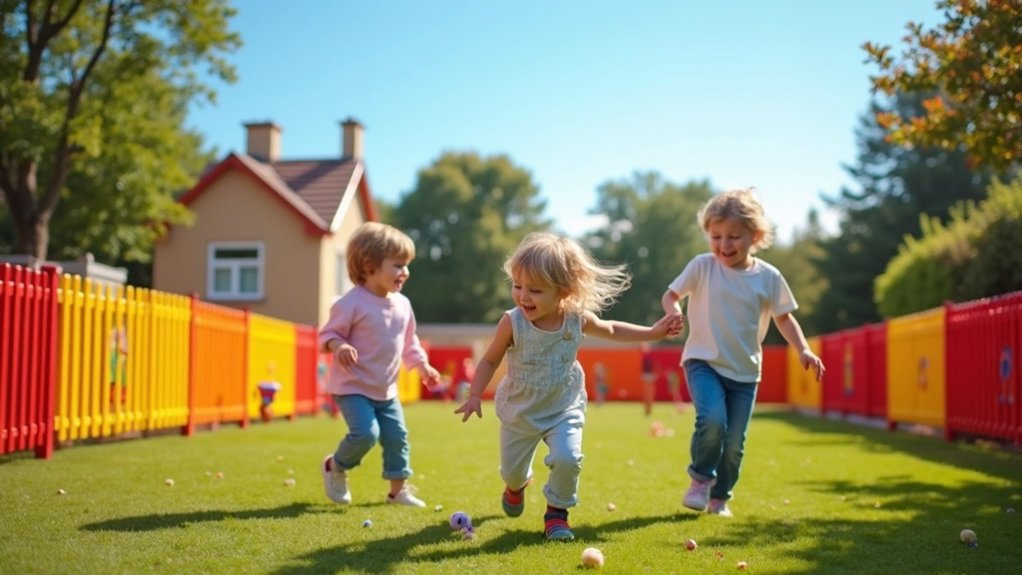
Fencing for schools, nurseries, and playgrounds is crucial for safety and security. Ensure your fences are at least 48 inches high and comply with ANSI F2049 standards to prevent climbing or crawling. Opt for durable steel materials for lasting protection, and consider mesh designs for better visibility. Enhance security with electronic gates and surveillance cameras for effective monitoring. Customizable fencing options can match your school’s look while improving safety. Discover how tailored fencing can create a safer learning environment.
Key Takeaways
- Fencing should meet ANSI F2049 standards, with a height of at least 48 inches and limited gaps to prevent climbing or crawling.
- Using durable materials like steel and welded wire ensures long-lasting barriers, lowers maintenance costs, and enhances security against unauthorized access.
- Mesh fencing allows staff to easily monitor play areas while deterring intruders, improving overall safety.
- Adding access control measures, such as electronic locks and surveillance cameras, enhances security and ensures safe entry for authorized personnel.
- Custom colors and designs help schools and nurseries reflect their identity and spirit while prioritizing safety.
Safety Standards for Playground Fencing
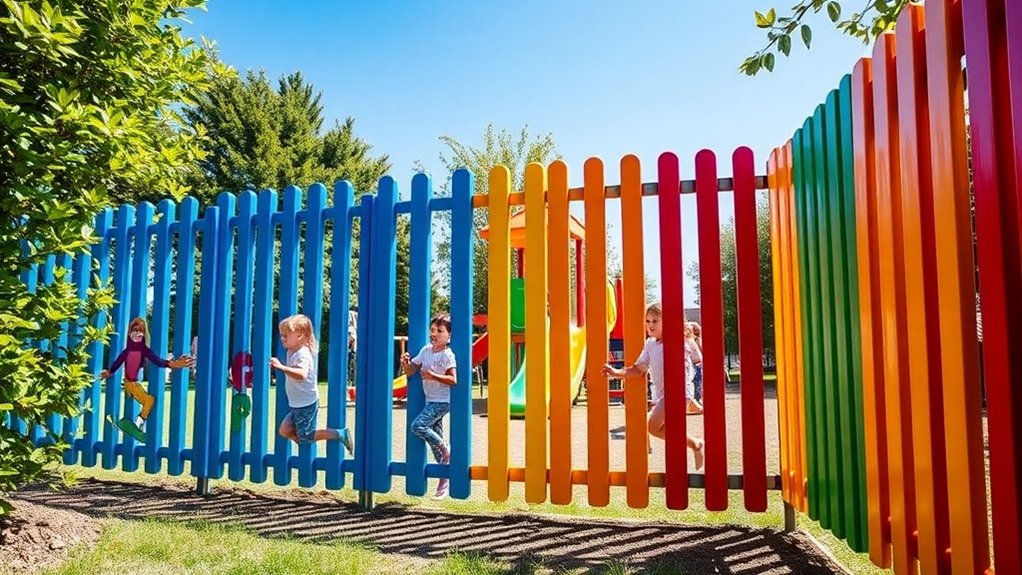
To ensure children’s safety in playgrounds, following fencing safety standards is crucial. For example, the ANSI F2049 standard requires fences to be at least 48 inches tall to prevent climbing.
It’s also important that the gap between the ground and the fence is no more than 4 inches to stop children from crawling under.
To reduce the risk of entrapment, keep a close eye on the spacing between vertical and horizontal fence elements. Use sturdy materials that don’t have sharp edges, and place fences at least 2 feet away from any vehicular barriers. Additionally, consider using RoSPA-approved fencing to maximize safety and prevent children from leaving the playground.
Regular inspections are key to maintaining safety standards and keeping the play area secure. By following these guidelines, we can help ensure children have a safe and enjoyable playtime.
Materials and Design Features for Enhanced Security
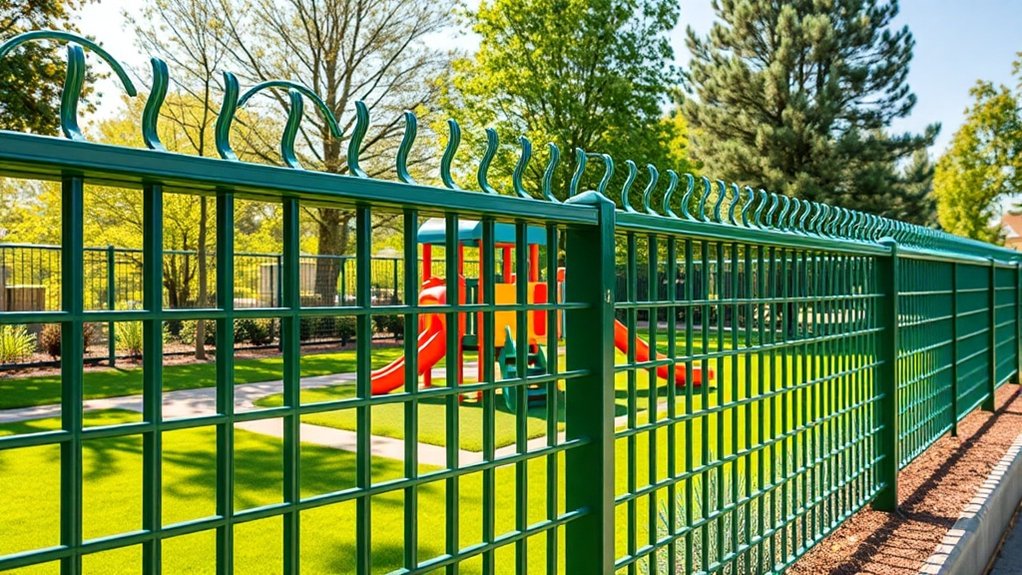
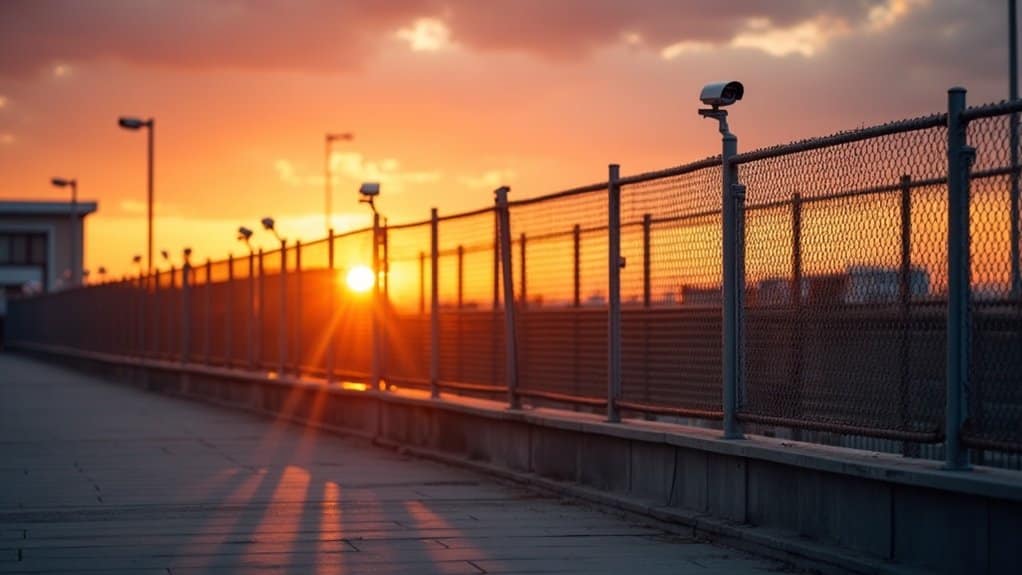
To improve security in schools and playgrounds, it’s crucial to choose the right materials and design features. Strong fencing materials like steel or welded wire provide durability and resistance to corrosion. For visibility and security, consider mesh fencing like the 868 system, which slows down intruders. Different functions require different types of fencing systems to meet specific security needs. Non-climbable designs, such as vertical bars or wave tops, add safety without sacrificing style. Customization options, like RAL color matching and different heights, help the fencing blend in with its surroundings. Additionally, automatic gates that close on their own and alarm systems enhance security. By selecting the right materials and designs, you can create a safe and welcoming environment for students and staff. This enhances security and defines boundaries while providing peace of mind for parents regarding safety.
Addressing Perimeter Security Challenges in Educational Settings
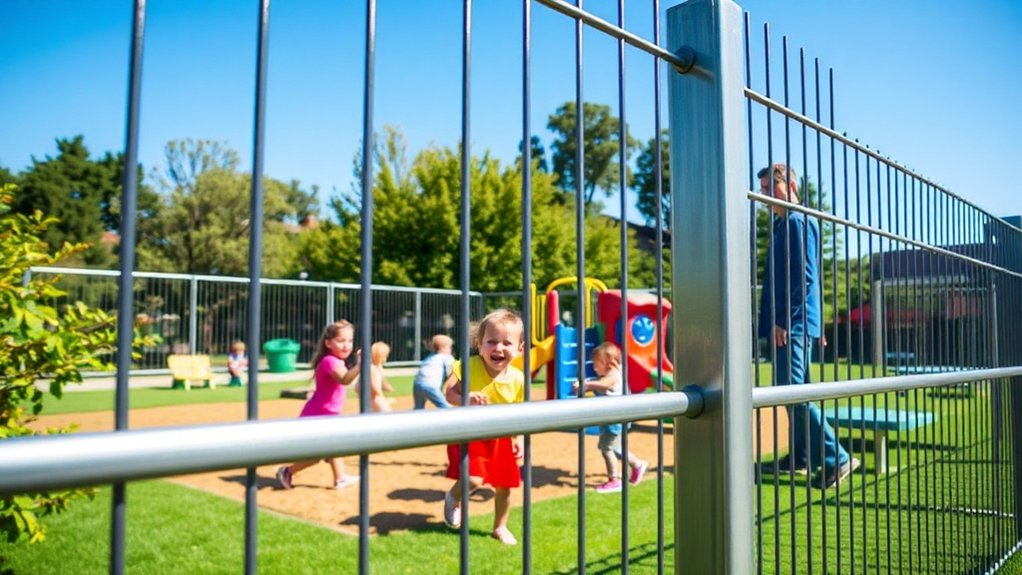
Effective perimeter security in schools starts with strong fencing and smart design. It’s crucial for preventing unauthorized access and ensuring student safety. Here are the main components to consider:
- Sturdy fencing that keeps intruders out
- Access gates with electronic locks for controlled entry
- Surveillance cameras to spot breaches early
- On-site security personnel monitoring entrances
- Regular security checks to find and fix weaknesses. Implementing these measures contributes to a comprehensive approach to school safety and security. Incorporating anti-climb fencing can significantly enhance the security barriers around educational facilities.
Environmental Sustainability in Fencing Solutions
As schools focus on sustainability, choosing eco-friendly fencing is crucial. Sustainable materials like steel are durable, reducing the need for replacements and conserving resources.
For example, FlexaRail cuts carbon emissions by 98%, highlighting the importance of lifecycle assessments in fencing choices. Using UV-protected and fire-resistant materials also extends fence life, decreasing waste.
Custom coatings can eliminate repainting needs, saving resources. By prioritizing in-house manufacturing and recyclable metals, schools can minimize landfill waste. Additionally, selecting recycled fencing materials can further enhance sustainability by reducing overall waste and supporting eco-friendly initiatives.
These practices not only achieve sustainability goals but also create a healthier environment for students and the community.
Injury Prevention Through Effective Fencing Strategies
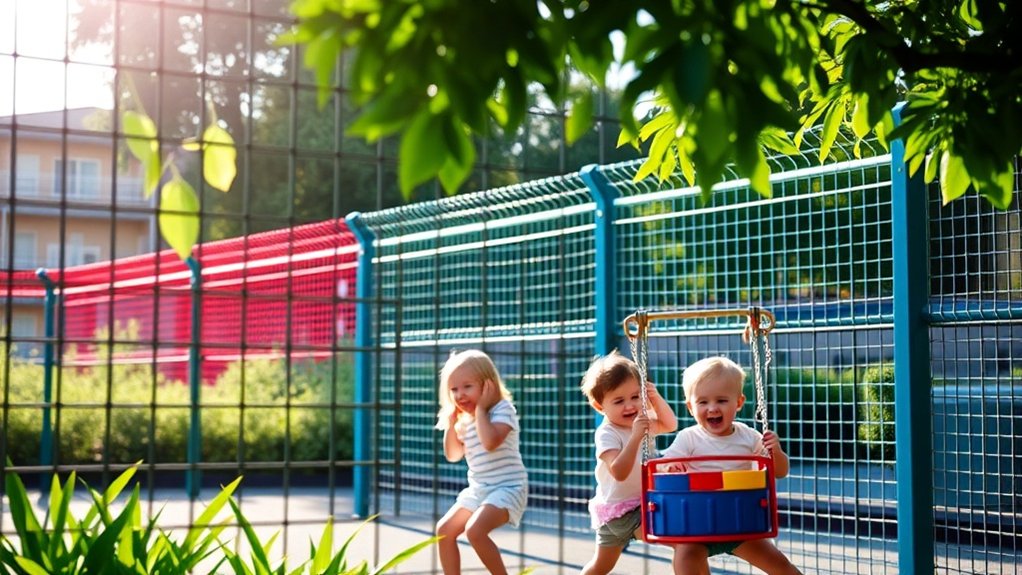
Effective fencing strategies can greatly improve safety in school playgrounds.
Installing automatic gates helps prevent unauthorized access and minimizes risks from overcrowding and unsupervised play.
Barrier Effectiveness Against Hazards
Effective fencing is vital for preventing injuries in schools by acting as a strong barrier against hazards. Here’s how it helps:
- Stops unauthorized access to playgrounds, reducing abduction risks.
- Controls pedestrian and vehicle traffic during busy drop-off times.
- Endures bad weather to ensure safety.
- Complies with safety standards to avoid sharp edges and structural failures.
- Creates a secure environment that promotes children’s wellbeing and reduces risky behavior.
Investing in quality fencing is essential for providing a safe, engaging space for children, leading to a healthier, more secure educational environment.
Automatic Gate Safety Features
Automatic gate safety features are crucial for preventing injuries in schools. Studies show that using at least two types of safety devices, like infrared sensors and pressure-sensitive edges, significantly enhances safety. These devices detect obstacles and stop the gate from moving, reducing the risk of accidents.
To further minimize risks, it’s important to provide separate access for pedestrians, keeping them away from vehicle gates. Regular maintenance and calibration of sensors ensure that safety systems work reliably, especially in busy environments.
When choosing gate types, consider environmental factors to prevent unexpected movements. With thoughtful design and advanced safety features, you can greatly reduce the risk of injuries, safeguarding both students and staff.
Implementing these strategies is essential for effective injury prevention with automatic gates in your school.
Customization Options for Aesthetic and Functional Fencing
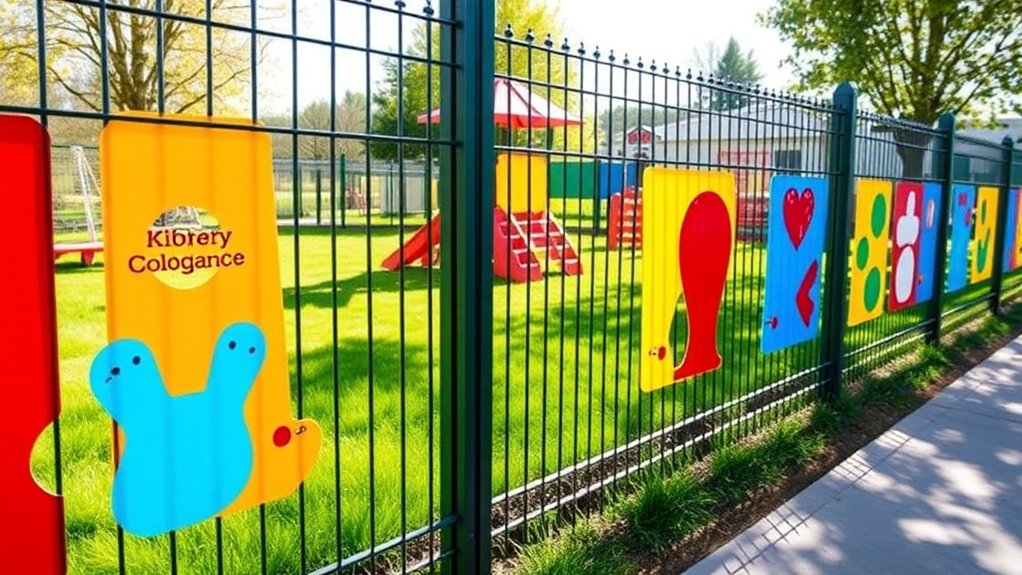
When customizing fencing for your school, you can choose colors that represent your school’s spirit while meeting safety standards.
Adding features like alarm systems and secure gate latches not only boosts aesthetics but also enhances security.
Color Scheme Integration
A well-thought-out color scheme for fencing can significantly improve school environments both visually and functionally.
Here are some key benefits:
- Bright colors engage kids and draw their attention.
- Lighter shades keep areas cooler on sunny days.
- Contrasting colors make boundaries easier to see for better supervision.
- Custom colors can mark different zones for safety.
- Using RAL color options helps align fences with school branding.
This approach not only enhances aesthetics but also promotes a safer and more inviting atmosphere for students.
Custom Design Features
Custom design features in fencing not only improve the look of school environments but also fulfill essential safety roles. You can select custom patterns, thematic designs, and various materials to ensure your fencing meets both safety and visual needs.
| Design Feature | Description |
|---|---|
| Custom Patterns | Add children’s hand-drawn designs for a personal touch. |
| Thematic Designs | Showcase school mascots or colors to strengthen community identity. |
| Variable Heights | Choose heights from 900mm to 2400mm to comply with safety standards. |
Enhanced Security Options
Enhanced security options for school fencing protect students and enhance the environment.
By using advanced fencing technology, you can create a safe and attractive space. Here are some effective options:
- Strong metal fencing for durability and protection against impacts
- Mesh fencing that allows visibility while slowing down intruders
- Custom colors to match the school’s architecture
- Anti-trap designs for safety in play areas
- Integrated lighting for better security at night
These features not only prevent unauthorized access but also ensure supervision in school settings.
Customizing your fencing with these options creates a secure and inviting atmosphere for learning and play.
Frequently Asked Questions
What Types of Materials Are Best for School Fencing?
For school fencing, metal is the best choice due to its durability and ability to withstand impacts, making it safer than wood. If looks are a priority, wooden fences can offer privacy but need regular upkeep to stay safe and compliant.
How Often Should Fencing Be Inspected and Maintained?
Your fencing requires regular checks to stay in good shape. Conduct quick daily or weekly inspections, more thorough monthly reviews, and comprehensive annual evaluations. This routine helps catch small issues before they turn into big problems, ensuring your fence remains safe and lasts longer.
Can Fencing Be Installed on Uneven Terrain?
Yes, you can install fencing on uneven terrain by using techniques like racking or stepping. These methods help the fence follow the land’s shape, ensuring it remains stable and looks good while reducing gaps. For example, if your yard has slopes, racking allows the fence panels to tilt along the incline, while stepping involves adjusting the posts at different heights. Both approaches keep your fence functional and visually appealing.
What Are the Costs Associated With Different Fencing Options?
When exploring fencing options, costs can differ significantly. Key factors include the type of material (e.g., wood, vinyl, chain link), how complex the installation is, and any extra features you might want, like gates or decorative elements. For example, while wood fences can be cheaper upfront, they may require more maintenance over time compared to vinyl. It’s important to weigh initial costs against long-term upkeep and durability to make the best choice for your needs.
Are There Grants Available for Installing Playground Fencing?
Yes, there are several grants available for installing playground fencing. These grants can improve safety and infrastructure, ensuring that children can play safely. For example, local government programs or community foundations often provide funding for such projects. Applying for these grants can make a significant difference in creating a secure play environment.
Conclusion
Effective fencing solutions for schools, nurseries, and playgrounds act as a protective barrier for children, ensuring a safe space for growth and exploration. A solid fence keeps out distractions and hazards, allowing kids to focus on learning and play. By adhering to safety standards, selecting durable materials, and customizing designs, you create not just a fence, but a secure environment where children can thrive.
Strategically selecting commercial fencing involves understanding materials, installation, and maintenance; discover how to ensure your choice meets heavy traffic demands Read more
Transform your commercial fence lines with strategic lighting and camera installations; discover essential tips for a successful setup and lasting Read more


