

The future of sustainable fencing focuses on eco-friendly materials like bamboo and recycled components, which minimize environmental impact. Smart technology adds security features such as biometric access and real-time alerts. Customizable designs allow for individual preferences, while living walls and decorative elements enhance visual appeal. Investing in durable materials reduces waste and supports sustainability. These innovations are transforming fencing solutions, making outdoor spaces both stylish and functional.
Key Takeaways
- Bamboo fencing is becoming popular due to its rapid growth, biodegradability, and natural resistance to pests, making it a great renewable option.
- Smart technology, like biometric access and remote monitoring, boosts security with eco-friendly fencing solutions.
- Modular and customizable fencing designs meet specific needs while promoting sustainable materials, allowing for easy installation and personalization.
- Durable materials, such as steel and eco-friendly composites, are trending as they lower carbon emissions and cut down on maintenance.
- Decorative fencing innovations, featuring vibrant colors and powder coatings, improve aesthetics and provide long-lasting protection with less environmental impact.
Advanced Materials for Eco-Friendly Fencing
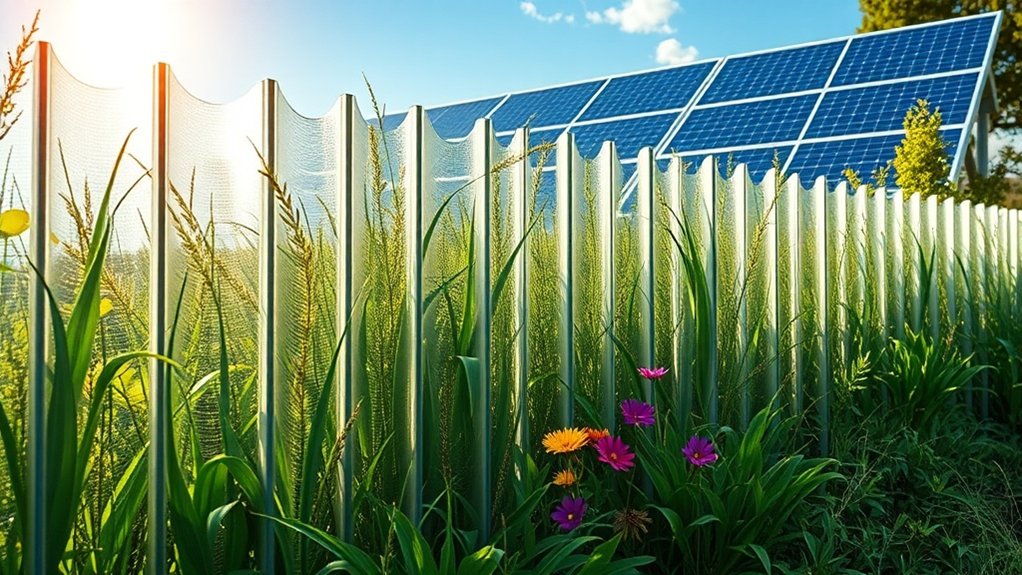
When looking for sustainable fencing options, advanced materials are key to reducing environmental impact while enhancing aesthetics.
Bamboo is an excellent choice; it grows quickly and is biodegradable. Its natural pest resistance means less need for chemicals, and its unique appearance fits various design styles. Additionally, bamboo’s natural silica content makes it resistant to pests and rot, ensuring longevity.
Composite fencing, made from recycled plastics and wood fibers, helps keep waste out of landfills and mimics the look of wood without sacrificing durability.
Recycled and reclaimed wood fencing lowers the demand for new timber, supporting a circular economy.
Smart Technology Integration in Fencing Solutions
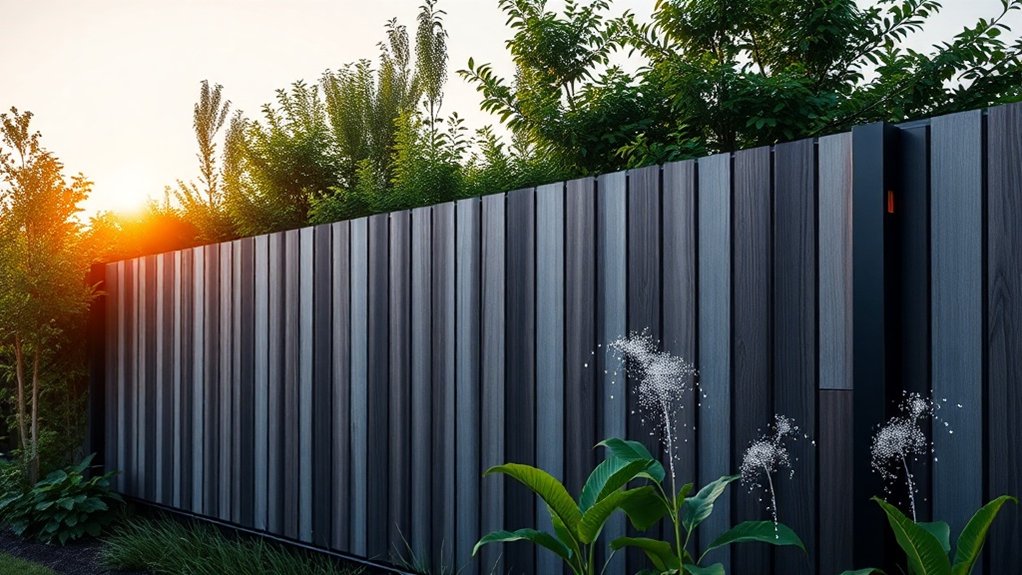
Integrating smart technology into fencing solutions boosts security and convenience.
Biometric access systems, like facial recognition, allow for easy entry to your property. Automated gates can be operated via smartphone apps, eliminating the need for keys.
Motion and vibration sensors provide real-time alerts for any unauthorized activity, keeping your property secure. Smart technology integration enables enhanced monitoring capabilities, allowing you to manage your security system from anywhere.
License plate recognition enables automatic gate access for approved vehicles.
Plus, with remote monitoring through mobile apps, you can stay informed and in control.
These smart fencing solutions not only protect your property but also enhance your connected lifestyle.
Customization and Modular Designs for Personalization

Smart fencing technology offers customizable and modular designs, allowing property owners to create fences that suit their unique needs. These systems can be quickly assembled and reconfigured to match both aesthetic preferences and security requirements. You can select from materials like steel, aluminum, PVC, or wood to reflect your style and budget. Custom panels and interchangeable components let you mix materials for added visual interest. Plus, modular designs make it easy to modify your fence over time, ensuring it lasts without needing a full replacement. This flexibility caters to individual tastes and meets the rising demand for sustainable fencing solutions in homes and businesses alike, as the modular fencing market is projected to grow significantly in the coming years. Additionally, the use of recycled materials in these systems enhances durability while supporting eco-friendly practices.
Sustainable Options: Reclaimed and Recycled Materials

When choosing sustainable fencing, reclaimed and recycled materials are excellent options that reduce environmental impact while enhancing your property’s look.
Reclaimed wood, taken from old buildings, is durable and helps decrease deforestation and landfill waste. Combining it with FSC-certified wood promotes sustainability and keeps your fence strong.
Composite lumber, made from recycled plastics and wood fibers, supports recycling efforts and is low-maintenance, saving you money in the long run.
Recycled metal, like aluminum, is resistant to corrosion and has a smaller environmental footprint. Additionally, using recycled materials in your fencing not only supports sustainability but also aligns with eco-friendly practices that reduce waste.
Each of these choices contributes to a more sustainable material lifecycle, making your fencing both functional and eco-friendly.
The Role of Living Walls and Green Fences

Living walls and green fences bring both ecological benefits and visual charm to urban areas.
They help clean the air by filtering pollutants and create habitats for wildlife, enhancing biodiversity.
Additionally, their attractive designs add color and seasonal variety, boosting community well-being and increasing property values.
Ecological Benefits of Greenery
As cities grow, adding greenery like living walls and green fences can effectively tackle environmental issues.
These features boost urban biodiversity by providing homes for wildlife and supporting pollination. They also improve air quality by filtering pollutants, which helps residents breathe easier and reduces health problems.
Additionally, living walls help cool urban areas, cutting down on energy use, and they manage stormwater by soaking up rainwater and preventing flooding.
Incorporating greenery into cityscapes not only meets environmental needs but also creates a healthier, more sustainable living space for everyone.
Aesthetic Appeal and Design
Many urban areas lack greenery, but adding living walls and green fences can significantly boost their visual appeal and functionality.
These vertical gardens create beautiful backdrops and act as eye-catching art pieces. You can arrange plants in striking patterns, turning plain walls into modern highlights.
Adding lighting enhances the atmosphere, making your garden stand out even at night. Pairing living walls with water features adds an engaging sensory experience.
Modular systems allow easy customization for any space, improving privacy while beautifying your surroundings.
Choose plants that fit your design style and enjoy the benefits they bring. Additionally, incorporating eco-friendly materials into your green fence design promotes sustainability while enhancing its aesthetic value.
Durability Trends in Modern Fencing

Durability trends in modern fencing have changed significantly due to new materials and technology that address various environmental challenges.
When comparing wood and steel, steel is the clear winner in longevity, lasting 30-40 years with little maintenance, while wood typically lasts 15-20 years without regular care.
Vinyl can be problematic in cold climates, as it may become brittle and fail.
Aluminum is lightweight and rust-resistant, but it doesn’t hold up well against heavy impacts or pressure from livestock, making it less suitable for farms.
On the brighter side, composite materials offer a great compromise, looking like wood but providing better weather resistance and a lifespan of 25-30 years.
Understanding these durability trends can help you make informed decisions about fencing materials and maintenance.
The Impact of Powder-Coated Finishes

Choosing powder-coated finishes for your fencing means you’re investing in a longer-lasting solution.
These finishes protect against rust and wear, making them a smart choice for durability. Plus, they’re eco-friendly, which helps reduce your environmental footprint.
With less maintenance required, you not only save time and money but also make a greener choice for your property.
Enhanced Material Longevity
Powder-coated finishes significantly boost the lifespan of fencing materials, making them a top choice for homeowners and builders.
These coatings can last 15-20 years with no maintenance, far outlasting traditional paint. At a thickness of 60-120 microns, they offer over three times the scratch resistance, protecting against chipping and wear.
This durability cuts replacement needs and reduces maintenance costs by up to 80%, benefiting both your wallet and the environment.
Plus, their strong corrosion resistance helps fences endure harsh weather, further lowering environmental impact.
Eco-Friendly Formulations Available
Eco-friendly powder coatings offer a safe alternative to traditional coatings, which can be harmful to health and the environment.
These sustainable options are non-toxic and free from harmful solvents and heavy metals, making them safe for people and pets. By eliminating volatile organic compounds (VOCs), they enhance air quality and meet strict environmental regulations.
Plus, any unused powder can be recycled, achieving up to 92% material utilization. This supports green building certifications like LEED.
Choosing powder coatings not only boosts the durability of your fences but also helps create a cleaner, sustainable future.
Bamboo: A Renewable Resource for Fencing

Bamboo is an excellent choice for fencing due to its sustainability. It can grow up to 3 feet a day, making it a quick renewable resource.
Bamboo absorbs carbon efficiently and uses less water than traditional fencing materials. Its natural resistance to pests and rot means fewer chemicals are needed, making it both eco-friendly and practical.
With a lifespan of 15 to 20 years and low maintenance, bamboo fencing is a cost-effective option.
Innovative Design Trends in Decorative Fencing
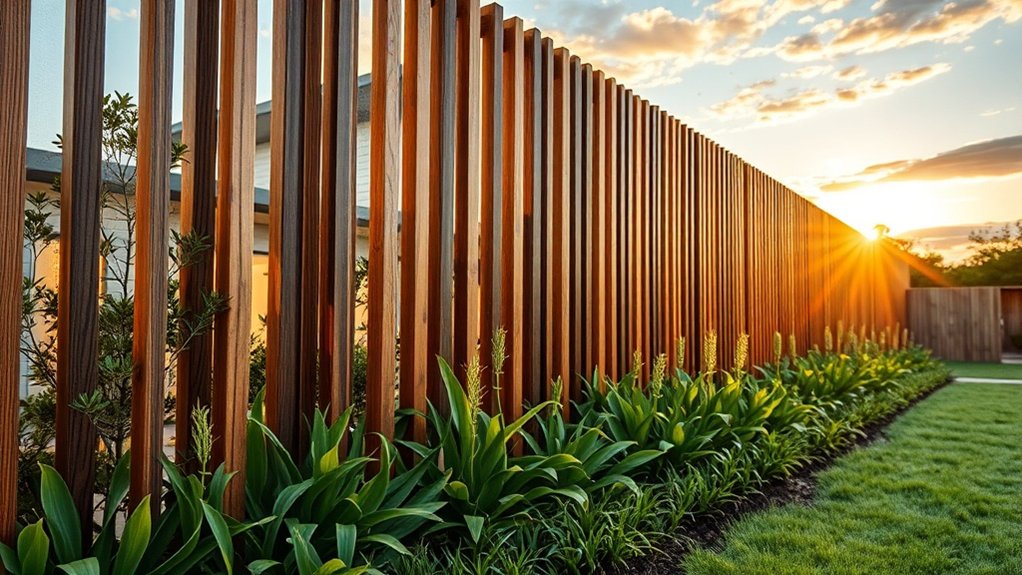
As outdoor spaces become more important, decorative fencing trends are evolving to blend style and function.
Curved designs soften boundaries and integrate into landscapes. Bold colors like bright blues and greens turn fences into eye-catching features, moving away from standard neutrals.
Horizontal slats create a sleek, minimalist look that enhances space while maintaining privacy and airflow. Chevron patterns add visual interest without blocking light.
Mixing materials like wood, metal, and stone brings both durability and a modern touch. Elements such as gabion walls and trellises highlight creativity and sustainability, ensuring your fencing is both attractive and practical.
Automated Security Features in Smart Fencing

Smart fencing has evolved from merely decorative to a powerful security solution. With automated features, you can safeguard your property more effectively.
Here are some key advancements:
- AI Detection: Smart algorithms identify potential threats in real-time, reducing false alarms and sending alerts directly to your devices.
- Remote Control: Manage your gates and fence through your smartphone, enabling swift action during potential breaches.
- IoT Connectivity: Smart fences link with other security systems, enhancing alarms and surveillance for comprehensive protection.
These innovations not only strengthen security but also provide peace of mind, keeping your property safe around the clock.
Environmental Benefits of Long-Lasting Materials

When it comes to fencing materials, many overlook their environmental impact. Choosing long-lasting options can significantly benefit both your property and the planet.
For instance, sustainable materials like recycled composites and responsibly sourced timber can cut carbon emissions by up to 60% during manufacturing compared to traditional options. These materials also help divert waste from landfills and require less maintenance, saving resources over time.
Certifications like FSC ensure your wood comes from well-managed forests, which helps protect biodiversity. By investing in durable fencing, you’re not just enhancing your property; you’re also supporting a healthier ecosystem by reducing the need for harmful chemicals and promoting a circular economy.
Enhancing Outdoor Spaces With Fencing Innovations

Enhance your outdoor space by using smart technology and eco-friendly fencing materials.
Choosing sustainable fences supports the environment and offers features like automated security and low maintenance.
These innovations blend functionality with style, turning your yard into a modern retreat.
Smart Technology Integration
As smart technology advances, integrating it into fencing systems can turn your outdoor space into a secure and interactive environment.
Here are some key benefits:
- Remote Control: IoT-enabled systems let you control gates from your phone and receive alerts for unauthorized access.
- Facial Recognition: AI-powered gates streamline entry, allowing access to recognized faces while keeping intruders out.
- Customizable Security: Modular designs enable you to adapt security features as your needs change.
With real-time monitoring and responsive sensors, your fence not only protects but also fits your lifestyle.
Embrace these innovations for a safer, smarter outdoor space that supports sustainable living.
Eco-Friendly Material Options
Eco-friendly material options are changing the fencing industry by combining practicality with sustainability. Your choices include sustainable wood, recycled plastic composites, bamboo, biodegradable materials, and low-impact metals. These materials not only improve the look of your space but also promote environmentally friendly practices through responsible sourcing.
| Material Type | Key Benefits |
|---|---|
| Sustainable Wood | Durable and low maintenance |
| Recycled Plastic Composite | Eco-friendly and customizable |
| Bamboo | Fast-growing and low carbon footprint |
| Biodegradable Composites | Break down easily, minimizing waste |
| Low-Impact Metal Alternatives | Corrosion-resistant and recyclable |
Choosing eco-friendly materials not only helps the planet but also enhances your outdoor areas.
Frequently Asked Questions
How Do I Choose the Right Fencing Material for My Climate?
To choose the right fencing material, start by evaluating your climate. Look for materials that withstand temperature changes, moisture, and wind. For example, composite or metal fences are great for their durability and low maintenance. Make sure the material you select fits your local weather conditions for lasting performance.
What Maintenance Is Required for Eco-Friendly Fencing Options?
To maintain your eco-friendly fence, treat it like a garden. Regular inspections and cleaning with biodegradable products are essential. Recycle materials whenever possible. This care keeps your fence beautiful and sustainable, protecting the environment around you.
Can Living Walls Support All Types of Plants?
Living walls can’t support every type of plant. It’s important to select lightweight and adaptable species, such as ferns or herbs, that fit the specific wall type and environmental conditions. This ensures they thrive and last longer.
Are There Any Financing Options for Installing Sustainable Fencing?
Yes, there are financing options available! You can consider green financing or sustainable loans to help pay for your sustainable fencing. Look into USDA programs, personal loans, or local incentives that can make your eco-friendly project more affordable.
How Do Smart Fencing Solutions Integrate With Existing Home Systems?
Smart fencing solutions work hand-in-hand with your home automation system. They connect alarms, cameras, and sensors, creating a unified security network. For example, if a motion sensor detects movement, it can trigger a camera to start recording and send you a real-time alert on your phone. This integration not only boosts security but also allows you to control everything remotely, keeping your home safe and giving you peace of mind.
Conclusion
The market for eco-friendly fencing solutions is expected to grow over 10% annually through 2027. This demand reflects a shift towards innovative designs and materials that balance functionality with environmental care. By incorporating smart technology, modular designs, and sustainable materials, you can enhance your outdoor space while making a positive impact on the planet.

Unearth the top 10 eco-friendly fencing materials that elevate your property while promoting sustainability—find out which options can transform your Read more

Navigate the essentials of creating a sustainable fence with minimal impact and discover surprising tips that will transform your outdoor Read more

How to incorporate solar lights into your eco-friendly fence can transform your outdoor space; discover essential tips to illuminate your Read more


