

To make your security fence safe for pets and children, choose sturdy materials like vinyl or treated wood for a smooth finish. Ensure the fence is at least six feet tall to deter climbing. Add features like rollers or angled tops to prevent escapes, and consider underground extensions for extra security. Secure gates are a must. Opt for designs that allow airflow while keeping privacy intact. By prioritizing safety and style, your fence can protect your loved ones and enhance your yard’s look.
Key Takeaways
- Use sturdy materials like vinyl or aluminum that are safe for pets and kids.
- Aim for a fence height of at least four feet, or six feet for pets that like to climb.
- Add rounded tops or anti-climb features to make it harder for children and pets to scale the fence.
- Check the fence regularly for damage or gaps and fix them promptly to keep everyone safe.
- Plant dense, thorny shrubs at the base for an extra layer of security against escapes.
Choosing the Right Material for Your Fence

Choosing the right fence material is all about finding the right mix of safety and style.
Vinyl fencing is a great option for families with kids or pets—it’s durable, smooth, and safe with no toxic chemicals or splinters. Additionally, vinyl fencing is known for its enhanced resistance to environmental factors, making it ideal for creating a secure outdoor space for your pets. Chain link fencing also provides strong protection for energetic dogs and helps keep them secure while playing.
If you like a classic look, wood can be customized, but go for untreated wood to ensure safety.
Aluminum fencing offers security and a stylish appearance while letting you see through it.
If you’re on a tight budget, chain link is a sturdy, affordable choice, though adding privacy slats can enhance its look.
Each material has its own advantages, so pick one that fits your needs best!
Ensuring Proper Fence Height

To keep your pets and kids safe, fence height matters. A minimum of four feet is usually enough, but if you have a climber or a dog that jumps high, consider a six-foot fence or taller. A sturdy fence not only protects your loved ones but also keeps out unwanted visitors. Effective fencing is essential for preventing accidental drownings and ensuring a secure environment. Additionally, assessing local regulations regarding fence heights is crucial to ensure compliance and optimal safety.
Recommended Height Standards
When building a security fence, it’s crucial to follow recommended height standards to ensure safety and aesthetics.
For residential properties, a typical height is 4 feet in front yards and 6 feet in backyards. This allows for visibility while maintaining an attractive look. A minimum height of 6 feet is recognized for effective security. Additionally, local zoning ordinances may dictate specific height limitations based on your area.
For commercial or high-security areas, fences can range from 6 to 12 feet or more, depending on the level of security needed.
Always check local regulations, as some places permit up to 10 feet for non-residential properties.
The materials and design you choose will also affect both the fence’s effectiveness and its appearance, so make your selections carefully!
Climbing Prevention Techniques
To enhance safety for pets and children, it’s important to implement effective climbing prevention techniques alongside a tall security fence.
Consider adding features like coyote rollers or smooth plastic fence tops, which create slippery surfaces that make climbing difficult. You can also use anti-climb fence toppers, such as spikes or angled panels, which not only deter intruders but can also look good.
Planting dense, thorny shrubs at the base adds a natural barrier, and applying anti-climb paint provides an extra layer of protection.
Ensure all elements are securely installed to prevent gaps. By using these methods, you can create a safe and visually appealing environment for your loved ones.
Preventing Escapes With Effective Design

To keep your pets and kids safe, choose a fence design that prevents escapes.
Adding underground extensions and anti-dig features can stop even the most persistent diggers.
Ensure your fence has no gaps to eliminate any chance of sneaking through.
These simple changes create a secure environment, giving you peace of mind.
Underground Extensions Implementation
When creating an underground extension for your security fence, it’s important to design it effectively to prevent escapes and keep your pets feeling secure.
Customized extensions work for any yard shape, providing tailored containment. Use durable materials like wired systems for lasting effectiveness.
Features like adjustable receiver collars help train pets to respect boundaries without stress. Marking these boundaries with flags can also aid their understanding.
The DIY installation is straightforward, making it accessible for homeowners. This cost-effective solution allows for expansion, ensuring all pets can enjoy a safe environment while you maintain peace of mind.
Anti-Dig Features Integration
To enhance security and keep your pets and children safe, it’s crucial to integrate anti-dig features into your fence.
Start with sturdy steel panels or welded wire mesh to resist digging and minimize gaps. Install ground-level barriers that extend 10-15 inches underground to block escape routes.
Adding closely spaced spikes can deter burrowing, while smooth barriers or stainless steel barbed tape at the base can provide extra protection. Use rust-resistant materials for durability and ensure everything is securely anchored.
With these steps, you can create a strong, secure fence that also looks good.
Gap-Free Design Assurance
Ensuring your fence has a gap-free design is crucial for keeping pets and children safe. Here are key points to consider before installation:
- Ensure openings are small enough to block a 4-inch ball.
- Keep bottom gaps to a maximum of 2 inches for ground fences.
- Limit vertical openings to no more than 1.75 inches.
- Use heavy-duty posts to prevent bending or warping.
- Install gates that fit snugly to avoid side gaps.
These steps will help prevent escapes and keep your loved ones secure.
Designing for Safety and Comfort

To create a safe and comfortable space for your pets and children, start with smart fence design.
Choose strong, non-toxic materials like vinyl or aluminum that can handle playful activity. Aim for a fence height of at least 4 feet to deter climbing, and make sure gaps are narrow to keep everyone secure.
Features like anti-climb designs or board-on-board fences provide privacy while allowing airflow.
Don’t forget comfort—ensure good ventilation to avoid overheating and select low-maintenance materials.
With careful choices, your fence can be both a protective barrier and an attractive part of your home.
Installing Secure Gates for Added Protection

Gates can be weak points in your home security, even if you have a strong fence.
Installing them correctly is key to keeping your pets and kids safe. Here are some tips:
- Choose the right location: Make sure your gates are easy to see and access.
- Select durable materials: Use treated wood or metal for long-lasting strength.
- Install child-proof latches: Self-latching mechanisms keep kids safe.
- Secure gate posts: Set them in concrete for extra stability.
- Use rust-resistant hardware: This prevents corrosion over time.
- Add self-closing features: These help keep gates closed and secure.
- Regular maintenance: Check your gates often to ensure they function properly.
Following these steps will significantly enhance your home’s security.
Enhancing Overall Security Measures

To enhance your security fence, consider a multi-layered system for added protection.
Combine this with perimeter surveillance to monitor your yard, ensuring safety for your children and pets.
Multi-Layered Fencing Systems
Multi-layered fencing systems provide a strong security solution by combining different types of barriers and technology.
Here are some key features:
- Use various fence types (like chain-link and mesh) to counter different intrusion methods.
- An Electro-Fence™ adds an electric layer on top of existing fences for extra security.
- Outer fences deter intruders, while inner fences offer strong protection.
- Anti-climb designs and tough materials ensure durability.
- Controlled access points help monitor entry and block vehicles.
These systems not only safeguard your property but also keep your pets and children safe.
Perimeter Surveillance Measures
Perimeter surveillance measures enhance security beyond basic fencing.
With high-definition cameras, including panoramic views, you eliminate blind spots and can monitor your property in real-time from anywhere.
Adding alarm systems with motion and seismic sensors alerts you to unauthorized movements.
Automated gates and access control ensure only authorized individuals can enter.
Plus, well-placed lighting improves visibility, making it tougher for intruders to hide.
These measures create a strong barrier that keeps your loved ones safe and gives you peace of mind.
Regular Maintenance for Longevity

Regular maintenance is key to keeping your security fence functional and looking good. Here’s how to ensure its longevity:
- Check your fence visually every few months and after bad weather.
- Clean it regularly with mild soap and a soft brush.
- Fix any damage, like bent sections or broken locks, right away.
- Trim back plants to prevent root damage and moisture buildup.
- Use protective treatments, like sealants for wood and rust inhibitors for metal.
Creating Visual Appeal While Ensuring Safety

To keep your security fence safe for pets and kids while enhancing your home’s charm, consider these tips:
- Choose solid panel or board-on-board designs for privacy and to prevent slips.
- Incorporate stylish basket weave patterns for airflow and aesthetics.
- Horizontal slatted fences allow natural light without sacrificing security.
- Select materials that match your home’s style and landscaping.
- Opt for rounded tops instead of sharp ones for safety.
- Install self-closing gates with childproof locks that blend with the fence design.
Customizing Your Fence to Fit Your Needs

When customizing your fence, consider your family’s needs and the layout of your yard.
Here are some practical options to enhance both style and function:
- Height: Choose a fence that’s 5′ to 7′ tall to keep pets in and intruders out.
- Material: Go for sturdy materials like vinyl or aluminum for durability against the elements.
- Gap Reduction: Look for designs with narrow gaps to ensure small pets can’t escape.
- Safety Features: Incorporate anti-climb mesh to prevent pets from scaling the fence.
- Gates: Install self-closing gates with childproof latches for extra security.
These choices can help create a safe and secure environment for your family and pets.
Educating Your Community on Safety Practices

Creating a safe environment for your family and pets goes beyond having the right fence; it also means educating your community on safety practices.
Organize community workshops to share safety tips for keeping kids and pets secure around fences. Collaborate with local schools and organizations to include these topics in safety education.
Invite neighbors to meetings to exchange experiences and best practices. Use social media and newsletters to share maintenance tips and how to report safety issues.
Involving local law enforcement and safety advocates can enhance your community’s commitment to secure fencing, making it safer for everyone.
Together, you can build a culture of awareness and responsibility!
Integrating Technology for Enhanced Security

To boost your property’s security, consider incorporating technology into your fencing solutions.
Smart features can enhance safety for both pets and children. Here are some key options:
- Motion Sensors: Set up detectors and cameras for real-time alerts.
- AI Alerts: Reduce false alarms with intelligent monitoring.
- Instant Notifications: Receive immediate updates on any unauthorized access.
- Single Platform Control: Manage all security features from one app for convenience.
- Adjustable Security Zones: Customize protection levels for different areas of your property.
These technologies provide not just security, but also peace of mind.
Frequently Asked Questions
How Can I Choose the Right Fence Color for Aesthetics?
To choose the right fence color for aesthetics, think about color psychology and the materials of your fence. Light colors can make areas feel more open, while dark shades add depth. Aim for hues that complement your home and garden for a unified appearance. For example, a white or light gray fence can brighten a yard with vibrant flowers, while a deep green or black fence can create a striking contrast against a colorful landscape.
What Are the Best Plants to Use Near My Fence?
Native plants can enhance local biodiversity significantly. For a pet-safe option near your fence, consider shrubs like viburnums or spiraeas. They not only beautify your space but also create a secure environment for your family.
How Do I Prevent My Pets From Chewing the Fence?
To stop your pets from chewing the fence, use strong materials and train them regularly. Offer chew toys to distract them, and reward good behavior to keep both the fence and your pets safe and happy.
What Should I Consider for Fence Installation on Uneven Terrain?
Over 40% of properties have uneven terrain. When installing a fence, it’s crucial to consider leveling techniques and soil types for proper stability. For example, using concrete footings can help secure the posts in loose soil. Also, assess drainage and property boundaries to ensure your fence lasts and avoids future issues.
Are There Specific Permits Required for Fence Installation?
Yes, you should check local regulations for fence installation. Many areas require permits depending on the height and materials of the fence. For example, if you plan to build a tall wooden fence, it’s wise to consult your local building department to ensure you follow the rules and avoid potential fines or having to take the fence down.
Conclusion
To create a safe and appealing environment for your kids and pets, focus on a few key elements for your fence. Choose materials that are both durable and attractive, like wood or vinyl. Make sure the height is sufficient to keep pets in and unwanted animals out—typically around 4 to 6 feet. Consider designs with minimal gaps to prevent small pets from escaping.
Engage with your neighbors about the importance of safety and consider using tech tools, like security cameras or motion sensors, for extra protection. By working together, you can build a community that prioritizes safety for playful pets and curious kids. A secure fence can be both functional and stylish!

The best fencing options for pet owners ensure safety and comfort for your furry friends; find out which type suits Read more
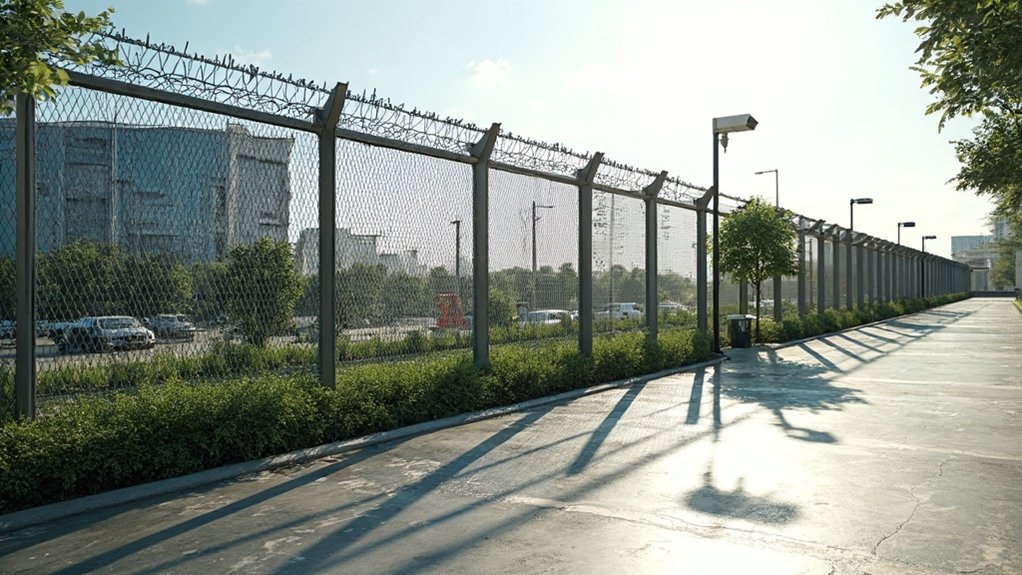
Navigate the world of anti-climb fence options for high-security zones and discover why the right choice is crucial for protecting Read more

Find the perfect security fencing solutions for your property that combine style and strength; discover how to protect your space Read more


