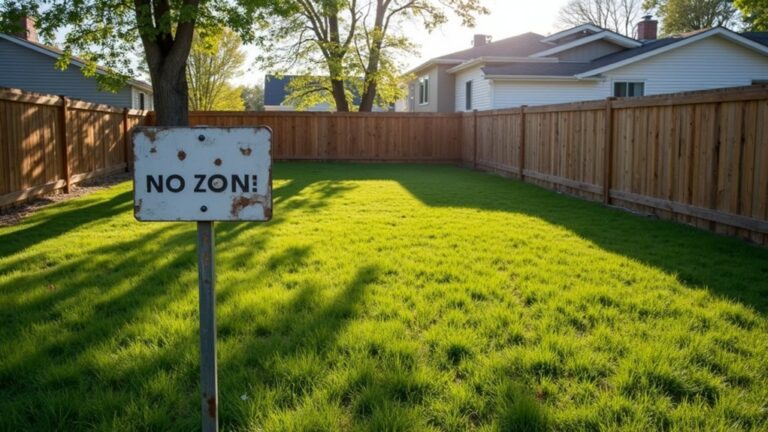

Building on a boundary requires a solid understanding of setback regulations, which specify how far your structure must be from property lines. Accurately identifying these lines is crucial to avoid disputes with neighbors. Don’t forget to check legal and zoning rules, as obtaining the necessary permits is key to staying compliant. Building too close can lead to privacy concerns and make maintenance difficult. Being aware of these factors will help you navigate the challenges of boundary construction effectively.
Key Takeaways
- Check local zoning codes and setback rules to avoid issues when building near property lines.
- Hire a licensed land surveyor to clearly define property boundaries and prevent disputes.
- Secure necessary permits before starting construction, as many projects require official approval.
- Maintain good relations with neighbors for smooth access during repairs and to prevent boundary disputes.
- Consider potential privacy and maintenance concerns when building close to property lines.
Understanding Setback Requirements

When developing property, understanding setback requirements is crucial. Setbacks are the minimum distances buildings must be from property lines, streets, or natural features. They help prevent overcrowding and ensure privacy, light access, and safety.
For example, if your local ordinance requires a 10-foot setback, your building must be at least 10 feet away from the property line. This distance can range from 4 to 35 feet, depending on local rules and the layout of your lot. Always measure setbacks straight out from the property line to the nearest point of the structure. In many areas, side and rear setbacks for accessory dwelling units (ADUs) are typically 4 feet, reflecting California’s regulations.
If you don’t follow these rules, you may face expensive modifications or even have to remove structures. To avoid these issues, familiarize yourself with local zoning codes and building regulations. This knowledge is key to successful property development.
Importance of Identifying Property Lines

Identifying property lines is crucial for property development. Knowing your boundaries helps you meet setback requirements and ensures your project is feasible. Additionally, understanding local regulations regarding fencing and structures is vital to avoid potential issues.
Accurate boundary identification reduces the chances of disputes with neighbors and avoids costly legal issues. Hiring a licensed land surveyor is essential—they provide precise measurements and review important documents like past surveys. Their technical expertise is key to creating updated maps that clearly outline your property limits, making planning smoother. By spotting encroachments or overlapping claims early, you can maintain good relationships with neighbors and prevent future conflicts.
In short, clear property lines are the foundation of successful development and long-term property security.
Legal and Zoning Considerations

Understanding local zoning laws is crucial for any construction project near property lines. These regulations outline what you can build and how far structures must be set back from boundaries. Additionally, be aware of easements or restrictions that might limit your building options. Always secure the necessary permits to ensure you’re following the rules and to prevent any legal issues down the road. Local regulations dictate specific requirements for each structure type, making it essential to consult them before starting your project. Failure to comply with local ordinances can result in fines or mandatory removal of your fence.
Local Zoning Ordinances
Local zoning ordinances are crucial for land use and development within city limits. They allow local governments to set rules about building height, lot size, and yard space, ensuring that new developments fit the community’s character.
For instance, a city may limit buildings to three stories to maintain a neighborhood’s charm. Fines are imposed for zoning violations to ensure compliance.
Zoning maps outline different districts, and any inconsistencies are clarified through legal descriptions. While these rules mainly apply within city boundaries, county officials can create regulations for specific areas, like lakes.
Knowing these ordinances is essential for anyone planning to build near property lines, as following them is key to a successful project.
Easements and Restrictions
When building on a property line, understanding easements and restrictions is crucial.
Easements, like utility and public access, dictate what can be built and where. For example, you can’t build over utility easements, as they need to remain accessible for maintenance.
Additionally, structures must adhere to setback requirements, and any encroachments usually need city approval, which can be denied if they disrupt public access. Ignoring these rules may lead to fines and the removal of your structure.
To avoid issues, always check surveys and consult local authorities about easement obligations before starting your project.
Building Permits Required
Before starting any construction near a property line, it’s crucial to get the right building permits to ensure you follow legal and zoning rules.
Depending on your project, you may need permits for structural changes, electrical work, or other regulated installations.
The application process typically requires detailed drawings and site plans, and sometimes additional documents like habitat permits.
Check your local jurisdiction for zoning clearance to ensure you comply with land-use regulations.
Pay attention to specific requirements like setbacks and drainage codes, as failing to comply can result in delays or fines.
Familiarize yourself with local online portals for easier permit submission and tracking to make the process smoother.
Common Issues From Building Near Boundaries

Building close to property boundaries can lead to legal disputes over encroachments and local regulations. It may also raise privacy issues, as structures too near the line can make neighbors feel uneasy. Plus, having limited space for maintenance can hinder upkeep and renovations, ultimately impacting your property’s value and usability. Understanding property boundaries is crucial to avoid these complications.
Legal Disputes Arising
When building near property lines, legal disputes can arise from various common issues.
For example, encroachment disputes happen when a fence or shed accidentally crosses into your neighbor’s property. While minor issues may be resolved through friendly negotiations, significant encroachments often require legal action to remove the offending structure.
Boundary line disputes can also occur due to unclear surveys or changes in the landscape, complicating property use and sales. Such disputes might delay transactions and lead to litigation, highlighting the importance of accurate surveys and clear agreements to prevent conflicts.
Addressing these issues early is crucial for protecting your property rights.
Privacy Concerns
When building near property lines, privacy concerns often arise. Structures close to boundaries can diminish visual privacy for neighbors, leading to discomfort and complaints.
For example, a deck or patio positioned near the edge may create noise that disrupts your neighbor’s peace. Shared fences can complicate privacy enhancements, as any changes require agreement from both parties.
To avoid disputes and maintain good relationships, adhere to local zoning regulations and ensure adequate setbacks. Prioritizing these considerations helps you navigate construction challenges while respecting your neighbors’ right to quiet enjoyment.
Maintenance Access Issues
Managing maintenance access issues is crucial for property owners near boundaries, as conflicts can arise over repairs or inspections. Knowing your rights can lead to smoother interactions with neighbors. Legal provisions often allow access for necessary inspections, with courts available to intervene if cooperation isn’t forthcoming.
| Common Issues | Legal Considerations | Recommended Actions |
|---|---|---|
| Refusal of access | Rights under Land and Conveyancing Law | Get written agreements for access |
| Unclear maintenance roles | Disputes can arise without formal agreements | Clarify ownership and responsibilities |
| Complicated structures | Retaining walls can complicate repairs | Consult engineers for assessments |
| Fences and shared costs | No obligation without clear agreements | Specify cost-sharing in agreements |
Understanding and addressing these issues proactively can save time and reduce tension with neighbors.
Guidelines for Specific Structures

Understanding zoning guidelines is crucial for compliance and neighborly harmony.
For residential structures, front and rear setbacks usually range from 15 to 30 feet, while side setbacks are typically 5 to 10 feet. If you’re building an attached garage, use the same setbacks as your main house.
Outbuildings like sheds should maintain a 5 to 10-foot setback as well. When attaching a building to a neighbor’s wall, ensure it doesn’t obstruct their windows and use sturdy materials for structural integrity.
Always check local zoning rules to ensure your plans are compliant.
Permits and Special Circumstances

Building within established guidelines often requires obtaining various permits, especially for boundary-related structures. Understanding permit requirements is crucial, particularly exemptions and boundary adjustments.
- Detached structures like sheds and garages need permits.
- Major fence changes require permits too.
- Pools deeper than 24 inches must follow specific regulations.
- Some special zoning districts may exempt you from certain permits.
When applying for permits, you’ll need a detailed site plan showing boundary lines and proposed structures.
Ensure compliance with setback regulations and be ready for inspections. Familiarizing yourself with these requirements can help you navigate boundary building smoothly and avoid delays or fines.
Frequently Asked Questions
Can I Build a Fence on My Property Line?
You can build a fence on your property line, but first, get a boundary survey to confirm your exact limits. Also, check local regulations for rules on materials and height to steer clear of disputes with neighbors or legal problems. For example, if your area has a height limit of 6 feet, make sure your fence complies to avoid fines or having to take it down.
How Do I Dispute a Neighbor’s Property Line Claim?
To dispute a neighbor’s property line claim, first hire a licensed surveyor to pinpoint the exact boundaries. Make sure to document their findings carefully. After that, talk to your neighbor about the results in a calm and respectful manner to help clear up any misunderstandings and resolve the issue peacefully.
What Happens if I Build Without a Permit?
Building without a permit can lead to serious issues. You might face fines and legal trouble, like stop work orders or demands to fix your project. For example, if you add a deck without approval, you could be forced to tear it down. It’s best to follow local regulations to avoid these headaches.
Are There Height Restrictions for Buildings Near Property Lines?
Yes, there are height restrictions for buildings near property lines, set by zoning laws and setback regulations. These rules help ensure safety and maintain visibility, especially near natural features like lakes or rivers. For example, a building near a park may have a lower height limit to preserve the view for park-goers.
Can I Place Temporary Structures Closer to Boundaries?
Yes, you can place temporary structures near boundaries, but you need to follow local regulations. For example, if you’re setting up a tent for an event, make sure it’s not too close to your neighbor’s property line. Always check local codes to ensure safety and keep the area looking good for everyone.
Conclusion
Building on a boundary can be tricky, but with the right approach, it can be done successfully. First, know the local regulations—these rules are in place for a reason. For example, if your project requires a certain distance from the property line (known as a setback), make sure to follow that to avoid issues with neighbors or the law.
Think about your neighbors, too. If your new structure casts a shadow on their yard or blocks their view, it could lead to conflicts. Striking a balance between your goals and respecting others is key. By planning carefully and staying within legal guidelines, you not only protect your investment but also contribute positively to the community. In short, foresight and respect are essential for a successful boundary project.