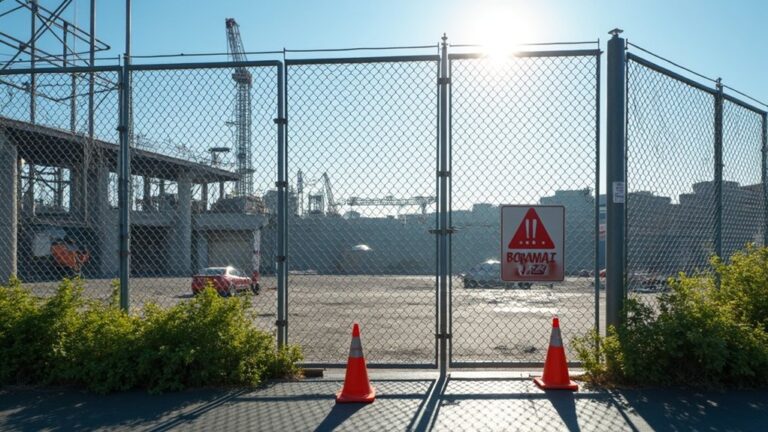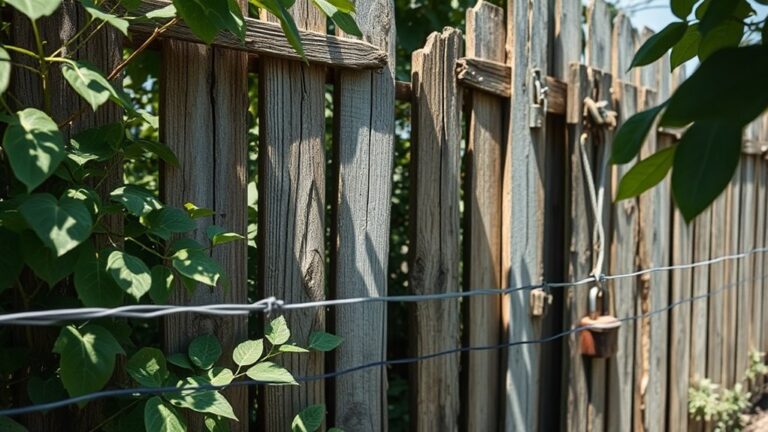
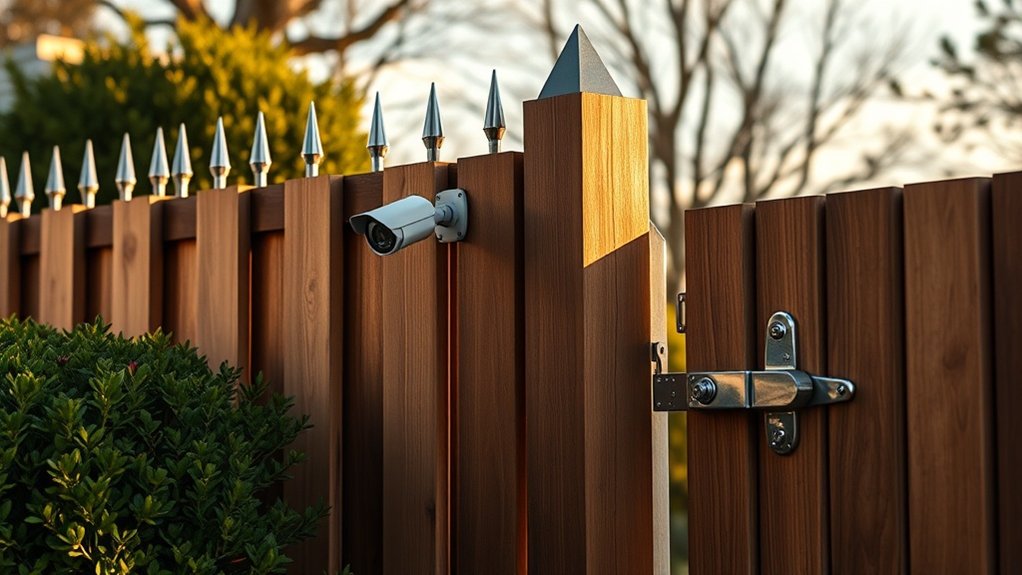
To upgrade your fence for better security, start by identifying weak spots. Consider adding smart tech like motion sensors and cameras for immediate alerts. Opt for sturdy materials such as metal or welded wire mesh, and add anti-climb features. Automated access controls, like RFID systems, enhance entry security. Regular maintenance is also crucial to keep your fence in good shape. These steps can significantly boost your property’s security.
Key Takeaways
- Start by assessing your current fence to spot weak points that need improvement.
- Add smart technology like motion sensors and AI cameras to enhance security and minimize false alarms.
- Opt for high-security materials, like metal fencing with anti-climb features, for better durability and resistance to tampering.
- Install access control systems, such as automated gates and RFID cards, to manage entry and track who comes in and out.
- Keep your fence in top shape by regularly checking its condition and ensuring it meets local regulations.
Conduct a Comprehensive Risk Assessment
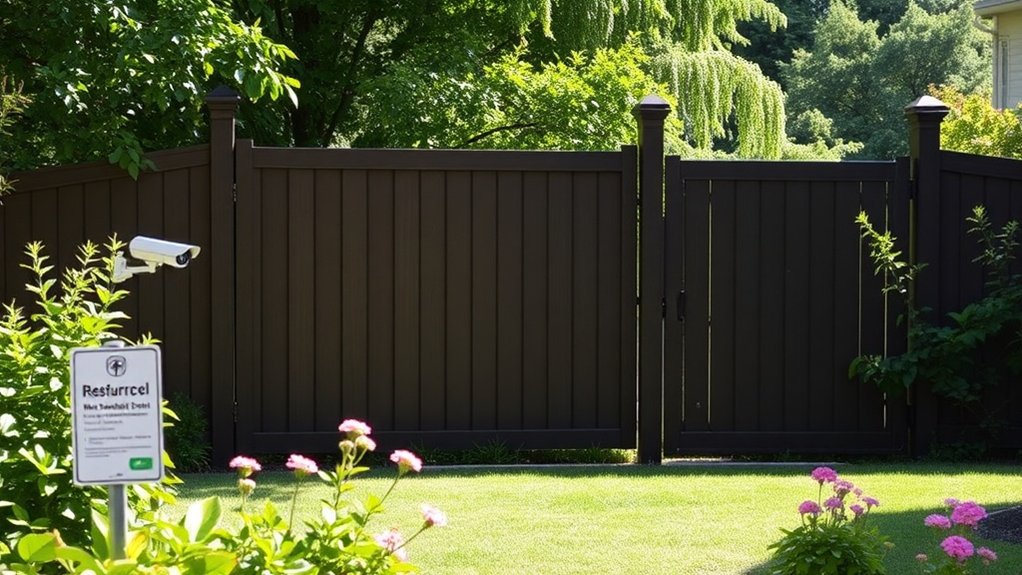
When considering an upgrade to your fence for better security, a thorough risk assessment is crucial. Start by listing your physical assets, such as buildings, equipment, and personnel. Group these into categories like infrastructure, technology, and human resources to identify your security priorities.
Next, document each asset’s location, function, and value, paying special attention to critical items essential for your operations. Look at past incidents, such as theft or vandalism, to spot potential threats and differentiate between internal and external risks.
Evaluate site-specific vulnerabilities by examining nearby buildings and the landscape. Use a risk matrix to assess threats based on their likelihood and potential impact, prioritizing the most significant vulnerabilities for your upgrades. Additionally, consider hiring a contractor for risk assessments if documentation is lacking, as this can provide valuable insights into potential threats. You may also want to consider the purpose of a fence, as it can help in defining your security measures.
This focused analysis will help you implement effective security enhancements.
Integrate Smart Technology for Enhanced Monitoring
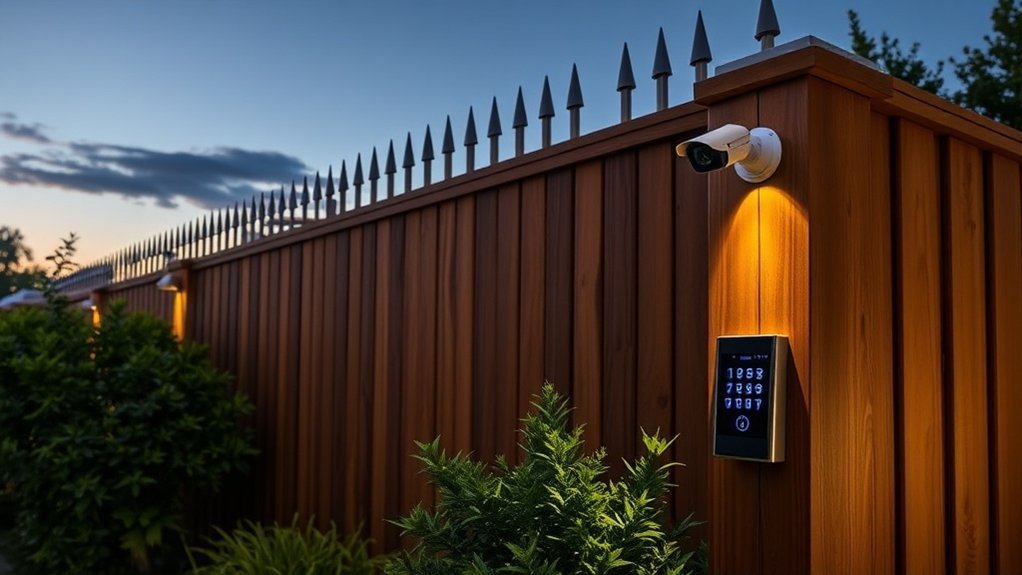
Integrating smart technology can significantly boost your fence’s security. By using sensors like motion detectors and infrared detectors, you can receive real-time alerts for any intrusions. These sensors can identify different types of breaches, such as climbing or cutting, giving you precise notifications. It’s important to choose compatible devices and ensure a reliable communication network, which is where self-healing wireless mesh networks come in handy—they keep your sensors connected. Adding video surveillance with AI can also help reduce false alarms, providing you with more accurate information. With real-time alerts sent to your devices, you’ll always be in the loop and ready to respond. Furthermore, utilizing COIN sensors can enhance your system’s ability to detect various intrusion attempts effectively. Upgrading your fence with smart technology is a smart move for better security.
Choose High-Security Materials and Design
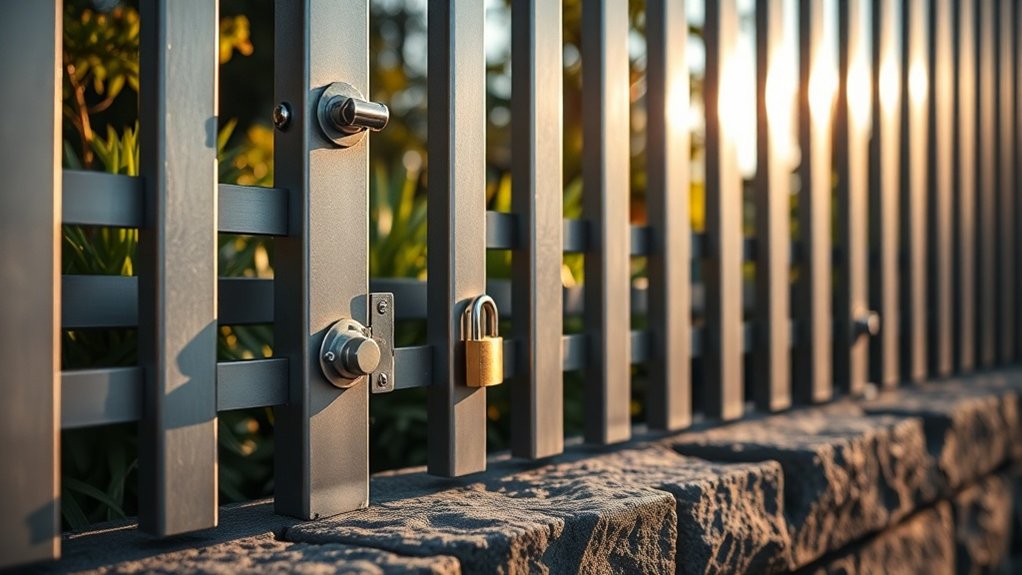
To enhance your property’s security, choose high-security materials and design for your fence.
Metal fencing is a top choice, holding a 55.3% market share, thanks to its durability and resistance to tampering. Consider chain link for budget-friendly perimeter protection or welded wire mesh, which is difficult for intruders to climb. Additionally, the security fencing market is projected to reach USD 270.17 billion by 2032, indicating a growing emphasis on effective security solutions.
For a more decorative option, ornamental steel and aluminum fences combine aesthetics with strength.
Ensure your fence design includes anti-climb features, aiming for heights over 10 feet. Smaller mesh sizes and heavier gauge wires can significantly improve security, especially in high-risk areas.
Implement Access Control and Automation
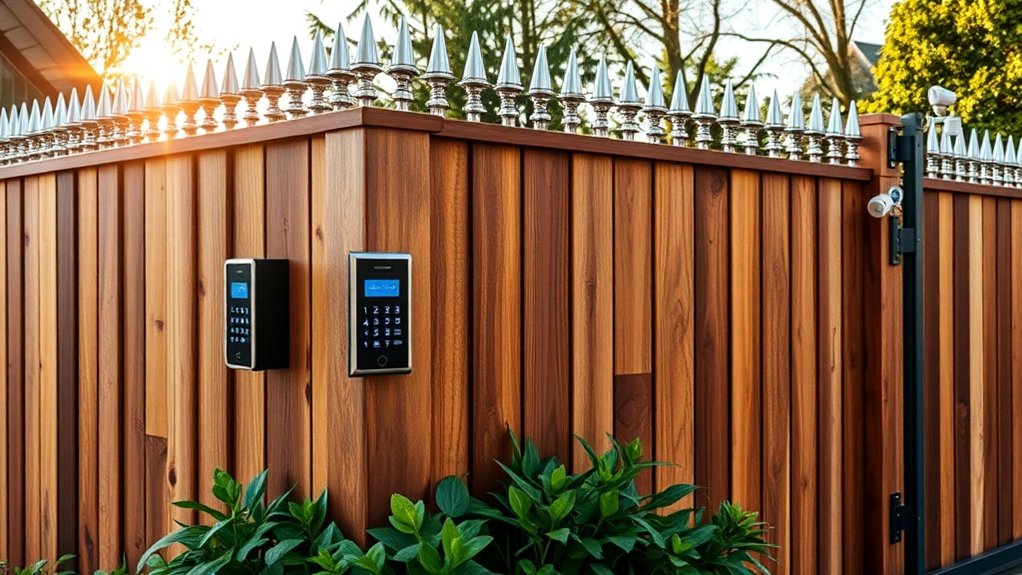
To enhance your fence’s security, it’s crucial to implement access control and automation. Start by installing automated gates, such as swing or sliding models, tailored to your property. These gates ensure secure and easy entry. Use access credentials like RFID key fobs or PIN codes to allow only authorized individuals entry.
Further boost security by adding video surveillance for real-time monitoring and audio-video intercoms for communicating with visitors.
Consider cloud-based management tools for remote access control and activity tracking from your smartphone. Features like automatic lockdowns during emergencies and alerts for failed access attempts streamline security and make managing access easier, ultimately keeping your property safer and more efficient.
Enhance Physical Deterrents for Improved Security
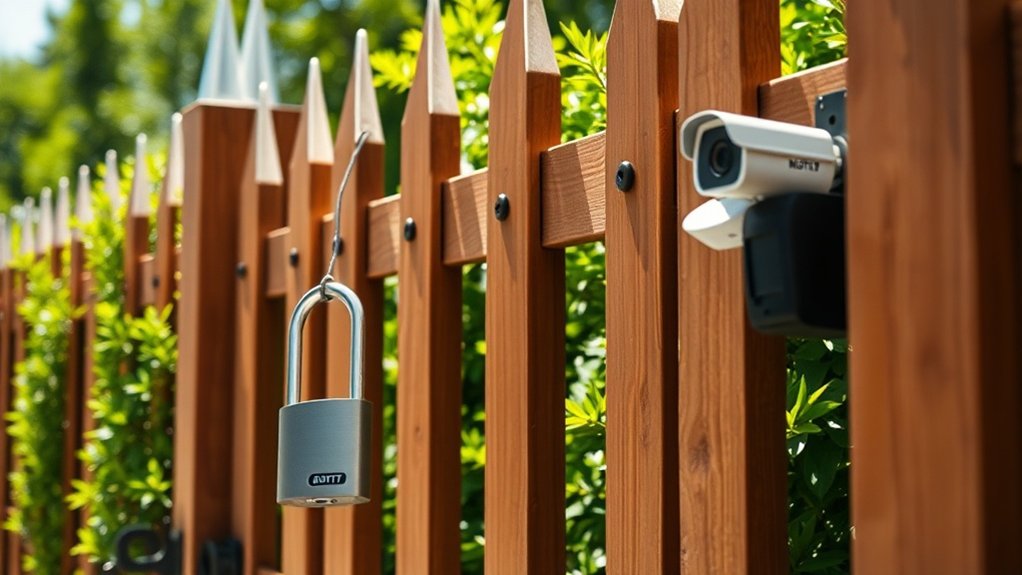
To enhance your fence’s security, adding physical deterrents is essential.
Start with anti-climb accessories like steel spikes or rotating toppers that make climbing painful and difficult. You can also use anti-climb paint for a slippery surface that discourages scaling.
For a stronger deterrent, consider installing razor wire or concertina coils on top of your fence; they provide both physical and psychological barriers.
If you’re in a high-risk area, electric Smart Coil upgrades can serve as a powerful, non-lethal deterrent. Just be sure to check local laws to ensure compliance and maximize your fence’s security. Additionally, incorporating advanced access control systems improves security management for your property.
Customize Your Fence for Aesthetic Appeal
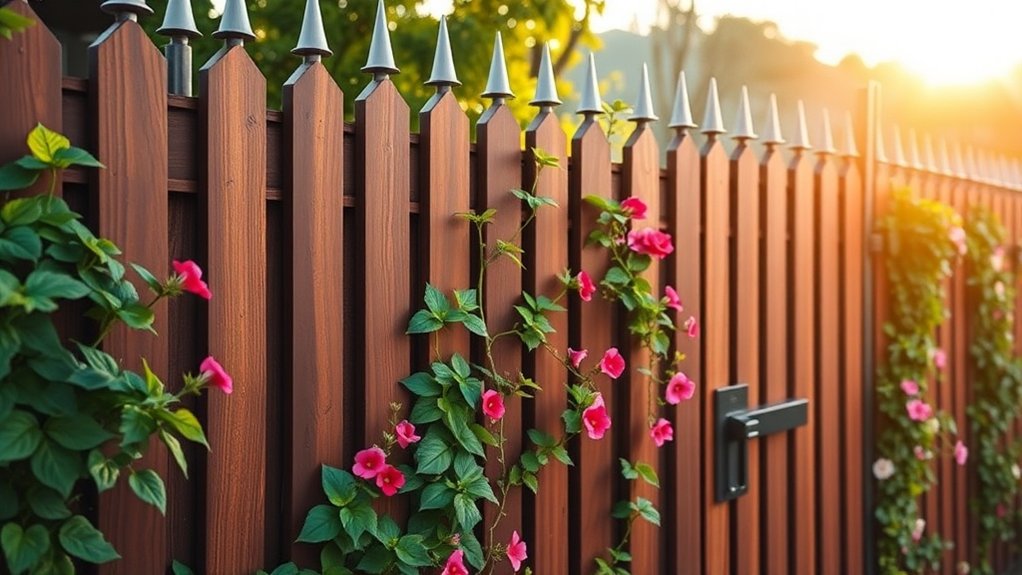
Enhancing your fence’s aesthetic appeal can significantly boost both security and your property’s charm.
Here are four straightforward ways to customize your fence:
- Natural Wood Designs – Choose classic styles like picket or privacy for a warm, inviting look.
- Modern Minimalist Styles – Go for sleek lines and neutral colors for a contemporary vibe.
- Mixed Materials – Blend wood, metal, and vinyl for a unique and durable fence.
- Decorative Elements – Add lattice tops and decorative post caps for extra character.
These options make it easy to create a fence that not only protects but also enhances your home’s appearance. Additionally, ensuring your design reflects the homeowner’s style and personality can create a cohesive look that increases your property’s overall appeal.
Consider Environmental Factors in Your Upgrade
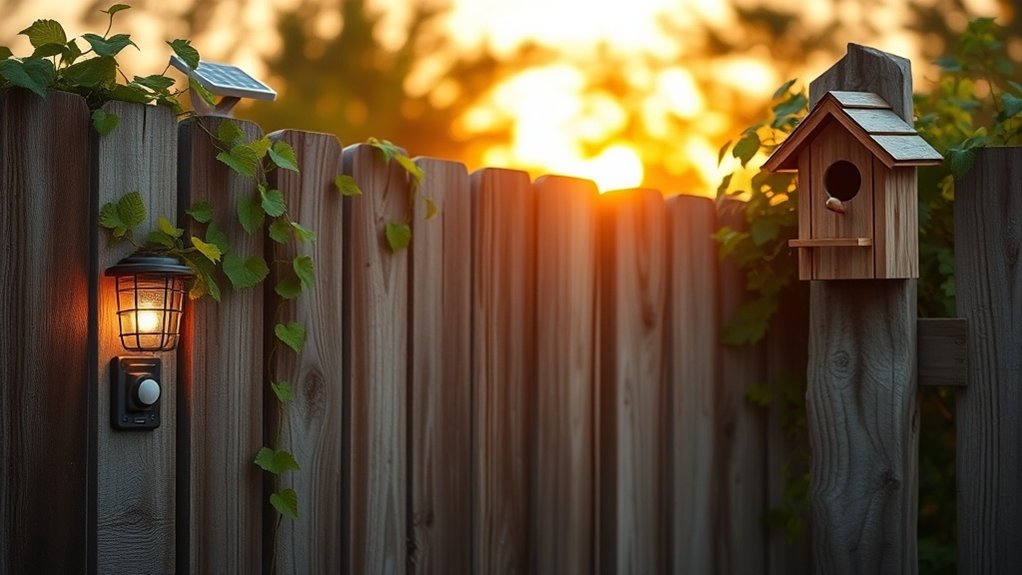
When upgrading your fence, consider environmental factors that affect its durability. First, assess your local climate. Choose materials that withstand rain, snow, and UV rays; for example, galvanized steel is great for dry areas due to its corrosion resistance.
Think about wildlife, too. Using wildlife-friendly fencing allows animals to pass safely while keeping your property secure. Incorporating native plants can boost biodiversity but be careful not to create hiding spots for intruders.
Evaluate your terrain; a tiered fence design works well on slopes and prevents gaps.
Don’t forget regular maintenance to protect your fence from weather damage.
Ensure Compliance With Regulations and Standards
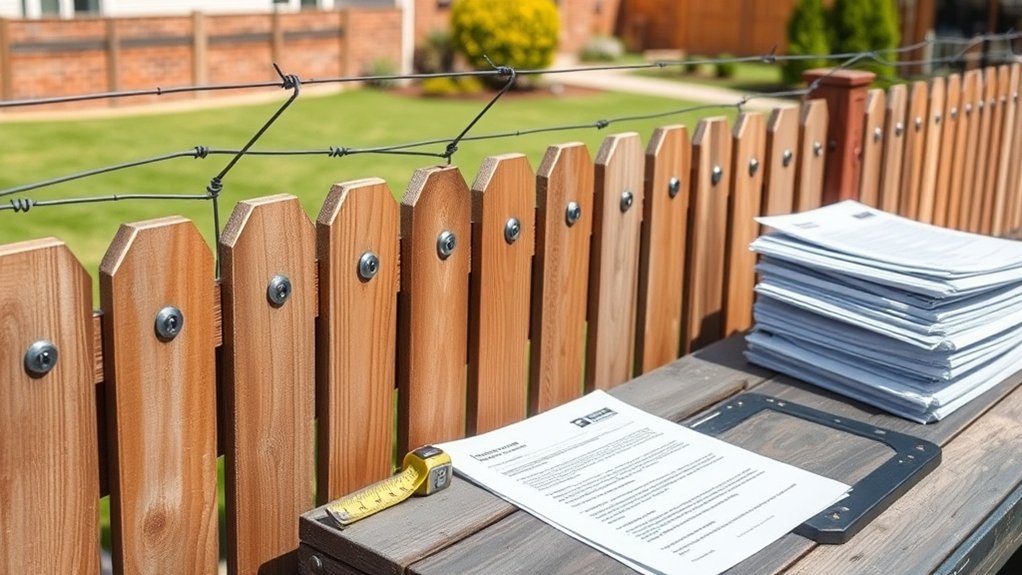
When upgrading your fence, it’s crucial to know your local regulations and industry standards.
Check for height limits, material requirements, and safety codes specific to your area. Following these rules not only boosts your security but also helps you avoid legal troubles later on.
For example, if your town has a 6-foot height limit and you build a 7-foot fence, you could face fines or be forced to make costly changes.
Understand Local Regulations
Before upgrading your fence for better security, it’s crucial to understand local regulations to avoid fines or required changes.
Here’s how to ensure compliance:
- Check for Permits: Determine whether you need a permit for your fencing project.
- Review Zoning Laws: Know the height and material limits based on your property’s zoning.
- Consult Local Authorities: Talk to local building officials for specific requirements.
- Assess Risks: Identify vulnerabilities that could impact both security and compliance.
Review Industry Standards
Understanding and following industry standards is vital for upgrading your fence to enhance security and meet local regulations.
Start by checking local specifications like height limits and permit requirements, which can differ by location. For example, most residential fences can be up to 7 feet tall without needing special permits, but going higher may require additional approvals.
Choose materials that comply with ASTM standards and incorporate features like anti-climb design and secure anchoring.
If you live in a high-risk area, consider making your fence taller and adding lighting or alarm systems.
Also, use clear signage to mark restricted areas, reinforcing your fence’s protective purpose while staying compliant with safety regulations.
Frequently Asked Questions
How Much Does It Cost to Upgrade a Fence for Security?
Upgrading your fence for security typically ranges from $10 to $50 per linear foot. The cost varies based on materials and features like height, reinforcement, and gate installation. For instance, taller fences or those with added locks will cost more but provide better protection.
How Long Does the Installation Process Typically Take?
The typical fence installation takes about 1 to 5 days, depending on the size and complexity of the project. For instance, a simple backyard fence might be done quickly, while a larger or more intricate design could take longer. Plan accordingly to ensure a smooth installation process.
Can I Upgrade My Fence Without a Permit?
You need a permit to upgrade your fence if it’s taller than 6 feet. Always check your local regulations to ensure you’re following the rules before making any changes. For example, if you’re considering a taller privacy fence, verifying the requirements first can save you time and hassle.
What Maintenance Is Required for Upgraded Fencing?
Regularly check your upgraded fence for damage, clean it once a year, and ensure locks and hinges are functioning well. Fix any issues quickly to keep your fence strong and secure.
How Can I Assess My Current Fence’s Security Effectiveness?
To assess your fence’s security, think of it like inspecting a fortress. Check the materials for strength, look for weak spots or gaps, and note any visible damage. These factors can compromise your fence’s integrity and overall security.
Conclusion
Upgrading your fence for better security doesn’t have to be overwhelming; it can be a simple weekend project. Start by assessing potential risks around your property. Consider adding features like motion sensors or security cameras for an extra layer of protection. Choose durable materials, such as vinyl or metal, which not only enhance security but also improve your property’s appearance. With a bit of creativity and effort, you can transform your fence into a strong barrier. Get started today—your safety and style are worth it!