
To recycle or reuse old chain link materials, first dismantle the fence into smaller sections and remove any non-metal parts. Clean the metal and bundle it according to your local recycling guidelines. You can also donate usable materials to nonprofits or sell scrap metal for extra cash. Recycling helps conserve resources, creates jobs, and supports your community. For more tips and benefits, keep reading to learn about this important process.
Key Takeaways
- Take down the chain link fence in sections, wearing gloves and goggles for safety.
- Clean the materials to remove dirt before bundling them for recycling.
- Use heavy-duty straps to secure the chain link fabric, tension wires, and posts for transport.
- Find local recycling centers or nonprofits, like Habitat for Humanity, that accept these materials.
- Think about reusing the chain link for garden trellises, pet enclosures, or fun yard decorations.
Understanding the Recycling Process for Chain Link Fences

Recycling chain link fences is a straightforward process that ensures materials are ready for reuse. Start by removing the chain link fabric from the posts and taking out non-metal parts like cement or wood. Cut the fabric into manageable sections, about 20 feet long, and roll them tightly for transport. Preparing the fence is an essential first step to ensure that the recycling process goes smoothly. With modern recycling technology, the steel from these fences can be melted down and turned into new products. Additionally, utilizing durable materials in the recycling process enhances the sustainability of new products created from old chain links. Community involvement is key; local recycling centers will accept these materials if prepared correctly. This not only saves natural resources but also creates jobs in the recycling sector, benefiting the environment and the economy.
Proper Disposal Techniques for Chain Link Materials

When it’s time to dispose of your chain link fence, start by taking it apart in manageable sections. This makes the process easier. Once you’ve separated the pieces, bundle them up for transport. Make sure to follow recycling center guidelines, which means removing any contaminants. Additionally, consider renting a dumpster for larger amounts of fencing to streamline the disposal process. Regularly checking and maintaining the fence can help identify damaged areas before disposal, allowing for potential reuse of materials. These steps not only simplify disposal but also increase the likelihood of recycling your old materials.
Dismantling the Fence
Dismantling a chain link fence requires precision to avoid injury or damage to reusable parts. Start by loosening the clamps with adjustable wrenches or fence pliers, turning the nuts counterclockwise. Be careful not to damage the clamps. Once loose, slide them off the fabric and set them aside. Next, cut the ties that connect the mesh to the posts using wire cutters. Start removing the mesh from a corner, handling sections about 20 feet long for easier management. It’s important to take safety precautions by wearing gloves and goggles during this process to protect yourself from sharp edges. Additionally, ensure that you are aware of local regulations regarding the disposal of fence materials. Finally, take off the top rails and posts by either digging around them or cutting them as needed. Always wear protective gear to guard against sharp edges.
Bundling for Transport
Once you’ve dismantled the chain link fence and sorted the components, it’s time to bundle them for transport. Here’s how to do it effectively:
1. Clean the Materials: Ensure everything is free from dirt to avoid contamination.
2. Cut the Chain Link Fabric: Trim it into manageable lengths for easier handling.
3. Bundle Securely:
- Fabric: Wrap it in protective material.
- Tension Wires: Coil them separately.
- Rails & Posts: Use heavy-duty strapping to secure them.
4. Inspect for Sharp Edges: Check for any sharp edges that could cause injuries.
5. Use Mechanical Aids: For heavier bundles, use tools to help move them.
6. Check Your Vehicle: Make sure your transport vehicle can handle the load.
This preparation will make your recycling process smoother and more efficient.
Recycling Center Guidelines
To ensure your chain link materials are recycled properly, follow these simple guidelines:
- Remove Non-Metal Parts: Take off any concrete footings or plastic coatings.
- Clean Materials: Make sure everything is free of dirt, rust, and debris.
- Check Weight and Size Limits: Know the maximum weight and dimensions for accepted bundles at your recycling center.
- Contact for Policies: Call ahead to confirm what they accept and if you need any paperwork.
Preparing Chain Link Material for Recycling or Reuse

To prepare your chain link material for recycling or reuse, first, remove any non-metal parts like plastic or wood that could disrupt the recycling process.
Then, dismantle the metal pieces and bundle them neatly for transport.
Remember to wear safety gear, as sharp edges can be dangerous.
Remove Non-Metal Parts
Removing non-metal parts from chain link materials is essential for effective recycling. Here’s how to do it:
- Take off wood posts and rails for proper disposal.
- Remove plastic caps and rubber coatings to recycle plastics.
- Clear concrete footings from metal to prevent contamination.
- Cut metal connectors and fasteners to separate recyclable materials.
By following these steps, you ensure compliance with local regulations and improve acceptance rates at recycling centers.
Clean materials lead to better recycling outcomes, making your efforts more effective.
Dismantle and Bundle Properly
After removing non-metal parts from the chain link materials, the next step is to dismantle and bundle the remaining components.
Use an adjustable wrench to loosen clamps and wire cutters to carefully remove fence ties. This helps you control the fabric as you detach it from the posts.
Once the mesh is free, lay it flat and roll it tightly from one end. Secure the rolled sections with sturdy rope for easy handling.
If the mesh is long, cut it into smaller lengths. Finally, handle the bundles with care for transport or storage.
Safety Gear Essentials
When recycling or reusing chain link materials, wearing the right safety gear is crucial. It protects you from hazards and helps you work efficiently. Here’s what you need:
- Cut-resistant gloves: Protect your hands from sharp edges.
- Safety glasses or goggles: Shield your eyes from injuries.
- Hard hats: Guard against head injuries.
- Steel-toed footwear: Keep your feet safe from heavy materials.
Using this gear lets you handle materials confidently and reduces the risk of injury.
Always check your equipment for wear and replace it when necessary. Prioritizing safety gear is essential for your recycling or reuse project.
Alternative Reuse Ideas for Chain Link Materials

Chain link materials can be creatively repurposed in many ways. For a decorative touch, attach wood slats or colorful tiles to old chain link fences to create unique walls.
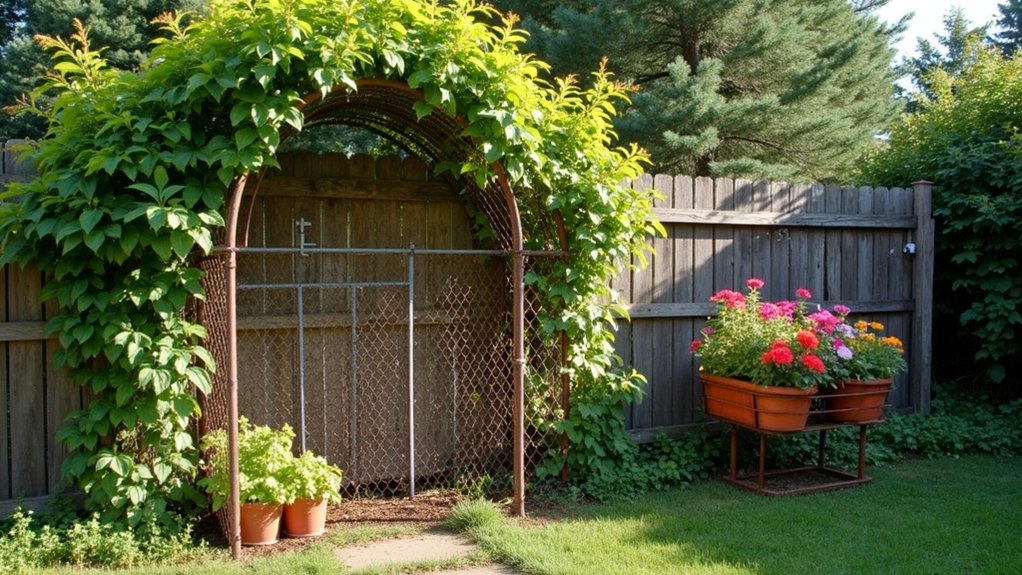
If you enjoy gardening, use sections as trellises for climbing plants or frames for vertical gardens. To achieve an industrial vibe, add corrugated metal panels.
You can also convert fence posts into supports for outdoor lighting or clotheslines. These projects not only beautify your space but also promote sustainability.
Environmental Benefits of Recycling Chain Link Fences

Recycling chain link fences provides important environmental benefits that help create a more sustainable future. Here’s why you should consider it:
- Reduces landfill waste: Recycling durable materials keeps them out of landfills.
- Saves energy and cuts emissions: Recycling steel uses less energy and produces fewer carbon emissions compared to making new steel.
- Protects the environment: Using recycled materials means less chemical use, which helps keep our soil and groundwater clean.
- Supports a circular economy: It encourages the reuse of materials, reducing the need for new resources.
By recycling chain link fences, you not only extend the life of materials but also contribute to healthier ecosystems.
Make the choice to recycle and play your part in promoting sustainability today.
Economic Advantages of Recycling Chain Link Fences

Recycling old chain link fences offers significant economic benefits alongside environmental ones.
By recycling these materials, we create jobs in collection, processing, and resale, boosting local economies. Small businesses can thrive by selling custom or secondhand fence materials.
Manufacturers also save money on raw materials, while both donors and recipients benefit from reusing sections of the fence, cutting costs. The high scrap value of steel ensures a steady demand in recycling markets, stabilizing prices.
Plus, recycling helps reduce landfill disposal costs, easing municipal budgets. Overall, embracing recycling fosters sustainable practices and strengthens community economies.
Exploring Scrap Metal Sale Options

When selling scrap metal from old chain link fences, knowing your options can boost your earnings. Here are some straightforward tips:
- Know Your Metals: Different metals, like galvanized steel and aluminum, can fetch varying prices.
- Clean Your Scrap: Removing contaminants can improve pricing. For example, rinse off any dirt or paint.
- Shop Around: Check local buyers and compare their offers to get the best deal.
- Think About Transport: Choose nearby scrap yards to save on transportation costs.
Community Resources for Recycling Chain Link Fences

Recycling chain link fences can be easier with local resources. Many recycling centers accept dismantled fences and may even offer incentives like discounted collection days.
Nonprofits like Habitat for Humanity ReStores collect and resell fencing materials, supporting local projects and community engagement. You can also check community Facebook groups to find neighbors looking for used materials.
Local government programs often provide guidance on safe disposal. By using these resources, you help reduce landfill waste and support a sustainable local economy.
Safety Considerations When Handling Chain Link Materials

Handling chain link materials safely is crucial to avoid injuries.
Here are key considerations:
- Always wear heavy-duty gloves to protect your hands from sharp edges.
- Use safety goggles to protect your eyes from debris.
- Lift properly to prevent back injuries—bend at your knees, not your waist.
- Maintain a clean workspace to prevent tripping hazards.
Following these simple guidelines will help ensure a safe and efficient process.
Frequently Asked Questions
Can Chain Link Fences Be Recycled if They Are Rusty?
Yes, rusty chain link fences can be recycled. While removing rust isn’t always required, it can improve the recycling process. Check local recycling guidelines, separate the components, and ensure proper disposal to make the most of your recycling efforts.
Is There a Specific Time of Year for Recycling Chain Link Fences?
There isn’t a specific time for recycling chain link fences, but spring and summer are popular due to fence maintenance activities. To ensure timely service, plan ahead to avoid delays during busy outdoor project seasons.
What Size Bundles Are Acceptable for Recycling Chain Link Materials?
For recycling chain link materials, bundle sizes should be between 3 to 6 feet long. It’s a good idea to check your local recycling guidelines, as they might specify exact dimensions and weight limits for safe processing.
Are There Any Fees for Recycling Chain Link Fences at Local Centers?
Recycling chain link fences can be tricky due to differing costs and local regulations. Always check with your local recycling centers about any fees before dropping off your materials. For instance, some centers may charge for processing while others might accept them for free.
How Can I Find a Scrap Metal Dealer Near Me?
To find a scrap metal dealer nearby, try local websites or search engines. Look for dealers with positive reviews and clear pricing. This ensures a smooth recycling process and fair deals. For example, check Yelp or Google Maps for options in your area.
Conclusion
Recycling or reusing old chain link materials is a smart and eco-friendly choice. Many people overlook their potential, thinking they’re just scrap. However, you can transform them into useful items like garden trellises or unique art pieces. Repurposing these materials not only helps the environment but can also save you money. So, why not take advantage of what you have and get creative?


